Top Supply Chain Services for Electronic Components
Electronics makers use many supply chain services to stay ahead. These services help them work better, save money, and deliver on time.
Electronics makers use many supply chain services to stay ahead. These services help them work better, save money, and deliver on time. Here are the most important ones:
-
Big Data and Analytics: Use smart tools to find problems, lower costs, and make customers happy.
-
Strategic Supplier Management: Create strong partnerships and use AI tools to check risks and improve supplier connections.
-
Agile Supply Chains: Quickly adjust to new technology and changing demand with flexible systems.
These services keep your supply chain strong and efficient in a fast-moving industry.
Key Takeaways
-
Use data and analysis to find problems, cut costs, and make customers happier.
-
Work closely with suppliers to share ideas and improve quality using feedback and training.
-
Use just-in-time inventory to save storage space and reduce waste for better operations.
-
Try forecasting tools to guess future needs and keep enough stock to avoid running out.
-
Add tech like AI and IoT to make the supply chain faster, track things live, and make smarter choices.
Component Sourcing and Procurement in Supply Chain Services

Getting parts and buying them well is very important. It helps electronic makers stay ahead of others. Using smart supply chain services can make work faster and easier. Below are three ways to improve how you get and buy parts.
Strategic Supplier Partnerships
Working closely with suppliers is key to getting good parts on time. Strong supplier ties help solve problems and grow together.
Tip: Use one platform to talk and work with suppliers better. This makes their work better and keeps quality high.
Studies show why these partnerships help:
-
Giving feedback often makes suppliers do better work.
-
Fixing mistakes and training improves quality over time.
|
Evidence Type |
Description |
|---|---|
|
Better Communication |
One platform helps suppliers and companies talk and work well. |
|
Improved Supplier Work |
Feedback and checks make suppliers follow rules and do better. |
|
Ongoing Quality Growth |
Fixing issues and training keeps improving quality. |
Learning together and using tech can make suppliers much better, especially in tech-heavy industries.
Global Sourcing Solutions
Looking for suppliers worldwide gives more choices and saves money. It also helps get parts faster without losing quality.
Countries like Vietnam and India are now big in electronics. For example:
|
Country |
FDI Growth in 2023 |
Electronics Exports in 2023 |
Notable Companies |
|---|---|---|---|
|
Vietnam |
$7.1 billion |
Samsung, Apple |
|
|
India |
Dropped from $34B to $8B |
N/A |
Dell, HP, Lenovo |
Using suppliers from these places lowers risks from global problems. Also, focusing on design and testing, not just buying, makes supply chains better.
Vendor Management Systems
Vendor management systems (VMS) are tools that help manage suppliers. They track work, check rules, and improve buying processes.
Note: A good VMS helps teams talk better and work faster.
A study in electronics shows e-supply chain tools help buying work. Key points include:
-
More profits by buying smarter.
-
Better team talks lead to good choices.
Adding a VMS gives you clear control and better buying in your supply chain.
Inventory Management in Electronics Manufacturing
Good inventory management is very important for making electronics. It helps keep the right amount of stock, saves money, and meets customer needs. Here are three ways to improve how you manage inventory.
Just-in-Time (JIT) Inventory
JIT systems bring parts only when they are needed. This lowers storage costs and cuts down on waste. Using JIT makes work smoother and improves cash flow. Many companies have seen big improvements with JIT:
|
Benefit |
Percentage/Value |
Source |
|---|---|---|
|
Shorter wait times |
AME, 2022 |
|
|
Faster cash flow |
22% |
Hall & Nakane, 2019 |
|
Less leftover materials |
20-40% |
EPA, 2021 |
|
Fewer product defects |
25-30% |
ASQ, 2022 |
|
Lower material waste |
37% |
Manufacturing Technology Insights, 2021 |
|
Lower overall costs |
15-30% |
PwC, 2021 |
These numbers show how JIT can make electronics production better and more profitable.
Demand Forecasting Tools
Demand forecasting tools help guess future needs. They use past data and market trends to plan buying and production. Advanced tools have shown great results:
-
Companies using these tools see an average ROI of 134%, with top ones getting over 250% (Industry Week, 2022).
-
One electronics company saved $7.2 million yearly by cutting carrying costs by 23% while keeping 99.8% service levels (Supply Chain Management Review, 2021).
With demand forecasting, you can avoid having too much or too little stock, keeping things running smoothly.
Automated Inventory Tracking
Automated tracking uses tech like RFID and barcodes to check stock. It reduces mistakes and gives exact inventory details. This helps make better choices and react quickly to changes. It also makes processes clearer, so you can fix problems and improve systems.
Using these inventory tips can help you stay ahead in the fast-moving electronics industry.
Quality Assurance in Supply Chain Management
Making sure quality is high in supply chains is vital. It keeps products reliable, improves work, and builds customer trust. Below are three key services to keep quality strong.
Component Testing and Certification
Testing parts ensures they meet rules and work well. It finds problems early, lowers risks, and makes products better.
Here are ways to improve testing and certification:
|
Methodology |
Description |
|---|---|
|
Speeds up wear tests to find future problems. |
|
|
Design of Experiments |
Finds how changes affect results. |
|
Simulations |
Predicts how systems act in different situations. |
|
Statistical Confidence Levels |
Tests more items or longer to ensure reliability. |
|
Failure Definition |
Sets clear rules for what counts as a failure. |
Using these methods ensures parts meet strict quality rules. This boosts efficiency and avoids costly mistakes or recalls.
Regulatory Compliance Services
Compliance services help follow safety and legal rules. They make sure products meet standards for safety and the environment. Breaking rules can cost money and hurt your reputation.
Here are some important facts about compliance:
|
Statistic |
Value |
|---|---|
|
Professionals who see compliance as very important |
83% |
|
Companies needing to follow multiple compliance rules |
70% |
|
Extra costs from noncompliance issues |
$220,000 more on average |
|
Cost of a data breach for noncompliant companies |
$5.05 million |
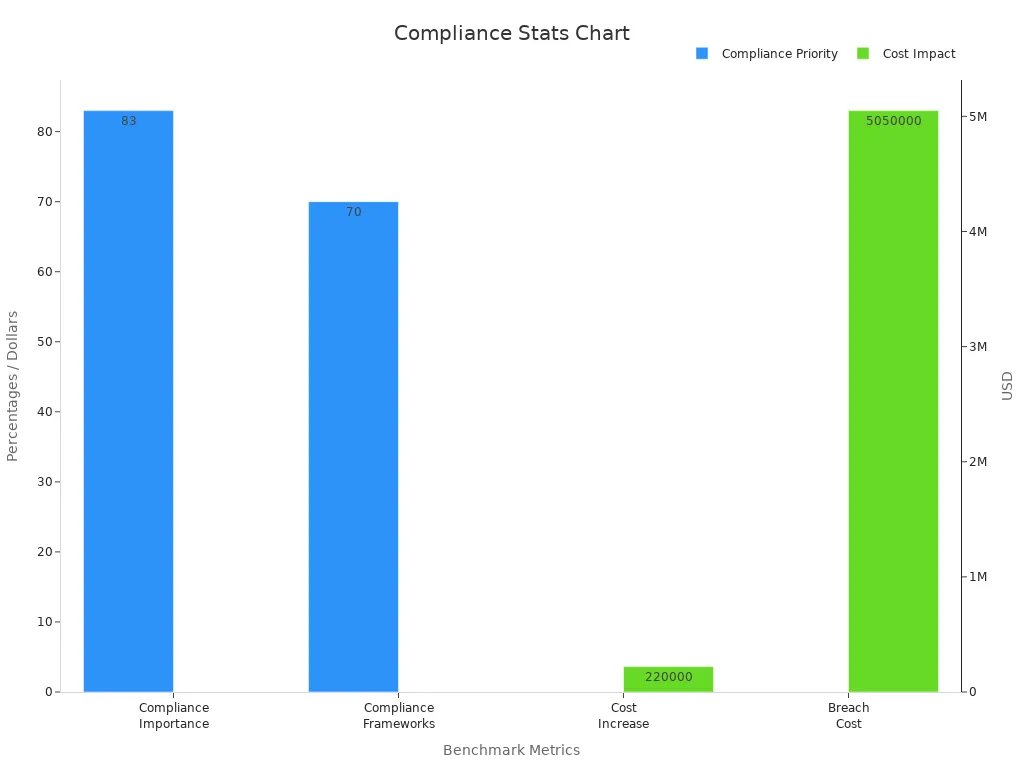
Spending on compliance helps protect your business and builds trust. It keeps your supply chain safe and within the law.
Counterfeit Component Detection
Fake parts are a big problem in electronics. They can ruin products, cause failures, and harm your brand. Detection services use tech to find and remove fake parts.
To improve detection, follow these steps:
-
Watch and control processes for better results.
-
Check designs to fix mistakes.
-
Set clear rules and train for zero errors.
-
Inspect suppliers to ensure good quality.
-
Create a positive workplace for high standards.
-
Talk with workers to solve problems fast.
These steps help find fake parts and improve supply chains. Removing counterfeits keeps products safe and customers happy.
Logistics Optimization for Electronics Manufacturing
Good logistics are very important in making electronics. Better transport and delivery systems save money and keep customers happy. Here are three services to improve your supply chain.
Freight Management Solutions
Freight management makes transport better by planning routes and grouping shipments. It also cuts delays and saves money. Smart tools help plan and save up to 12% on transport costs.
|
Area of Focus |
Savings Possible |
|---|---|
|
Route planning |
3-12% |
|
Tracking shipments |
2-5% |
|
Payment processes |
2-5% |
|
Buying transport services |
3-10% |
Using these tools helps deliver parts faster and on time.
Warehousing and Distribution Services
Warehouses are key for storing and sending parts. A good warehouse system speeds up orders and lowers delays. Bad setups can cause 30% of delays, but better ones make orders 25% faster.
-
Central warehouses make storage and delivery easier.
-
Keeping stock near transport hubs saves time and money.
-
Automation and smart systems make work faster and more accurate.
Improving warehouses helps meet demand and stay ahead in the market.
Real-Time Shipment Tracking
Tracking shipments in real-time shows where they are and fixes delays fast. GPS gives exact locations, and smart tools plan better routes.
|
Tool/Method |
What It Does |
Delivery Time Impact |
|---|---|---|
|
GPS Tracking |
Makes delivery times more accurate. |
|
|
Data Updates |
Shares shipment info across systems in real-time. |
Predicts delivery times better. |
|
Smart Route Planning |
Uses past data to find faster routes and avoid delays. |
Speeds up deliveries and saves time. |
These tools make deliveries quicker and keep customers happy with on-time service.
Ways to Save Money in Supply Chain Services
Saving money in supply chains is key for electronics makers. Smart strategies can make work smoother, cut costs, and boost profits. Below are three simple ways to save money.
Buying in Bulk
Buying in bulk means ordering more items at once. This helps get lower prices and makes buying easier. Companies using smart buying methods save 10-20% on costs.
|
Metric |
Value |
|---|---|
|
Savings from Standardization |
Big discounts from suppliers |
|
Less Inventory |
20-30% fewer items stored |
By using the same parts and ordering together, you save money and avoid having too much or too little stock. This keeps supplies steady and lowers risks.
Tools to Find Cost Problems
Cost tools show where money is wasted in supply chains. For example, Total Cost of Ownership (TCO) looks at all costs from buying to throwing away. Price checks compare supplier prices to find better deals.
|
Tool |
What It Does |
How It Saves Money |
|---|---|---|
|
Cost Analysis |
Finds where costs can be cut. |
Helps renegotiate prices with suppliers. |
|
Total Cost of Ownership (TCO) |
Looks at all costs for a product's life. |
Finds hidden costs and better buying plans. |
|
Price Comparison |
Compares prices from different suppliers. |
Shows cheaper options and better contracts. |
|
Breaking Down Prices |
Splits total costs into smaller parts for clarity. |
Makes it easier to find cheaper suppliers. |
These tools help make smart choices and save money while improving how things work.
Hiring Supply Chain Experts
Hiring experts to manage supply chains can save money and improve work. These experts use their skills and tools to make storage, shipping, and orders better. For example, outsourcing warehouses can cut costs by avoiding expensive setups.
|
Metric |
What It Shows |
|---|---|
|
Shows how supply chain costs affect profits. |
|
|
Cost per Order |
Finds the average cost to complete an order. |
|
Storage Costs |
Tracks money spent on keeping inventory. |
Outsourcing lets companies focus on their main work while experts handle supply chains. This leads to better results and long-term savings.
Technology Integration in Supply Chain Management
Technology is changing how supply chains work today. Using tools like AI, blockchain, and IoT makes things faster, clearer, and easier to manage. Below are three important technologies improving supply chains in electronics.
AI and Machine Learning Applications
AI and machine learning (ML) are making supply chains smarter. They study big data to find patterns people might miss. For example, AI uses live data to adjust stock levels and predict needs. This helps businesses stay ready for changes.
AI can also test "what-if" situations to prepare for problems. Studies show its benefits:
-
Optimize Inventory Levels: Keep just enough stock to meet demand.
-
Reduce Holding Costs: Save money by avoiding extra inventory.
-
Minimize Stockouts: Always have products when customers need them.
The pandemic and global issues proved these tools help supply chains stay strong and flexible.
Blockchain for Transparency
Blockchain makes supply chains more open and trustworthy. It tracks where materials come from and how they move. One electronics company used blockchain to meet eco-friendly rules. This built trust and followed important laws.
With blockchain, you see every step in your supply chain. It lowers risks, ensures fair practices, and keeps everyone accountable.
IoT for Real-Time Monitoring
IoT helps track supply chains in real-time. Sensors collect data on stock, tools, and shipments. For example, Walmart uses robots with IoT to check shelves, saving time and effort.
IoT also boosts efficiency. General Electric uses sensors to predict repairs and avoid delays. Real-time data helps fix problems quickly, keeping everything running smoothly.
Adding these technologies to your supply chain improves speed, flexibility, and customer happiness.
Supply chain services help make electronics faster and cheaper. They also improve how parts are delivered on time. Tools like predictive analytics, real-time tracking, and smart decision-making make big changes.
|
Key Metric |
What It Does |
How It Helps |
|---|---|---|
|
Predictive Analytics |
Uses data to predict needs |
Better planning for the future |
|
Real-Time Monitoring |
Tracks everything live |
Faster fixes and adjustments |
|
Smart Decision Tools |
Helps make better choices |
Saves money and boosts efficiency |
Think about what your business needs most. Pick tools that match your goals. Start small, test them, and grow as they work well.
FAQ
What are the main benefits of supply chain services?
Supply chain services help save money and improve delivery times. They also check quality and follow rules. These services make work easier so you can focus on new ideas.
How does technology make supply chains better?
Tools like AI, blockchain, and IoT make work faster and clearer. AI guesses future needs, blockchain tracks parts, and IoT watches stock live. These tools help you act quickly and plan smarter.
How do you pick the best supplier for parts?
Choose suppliers based on cost, quality, and trust. Use tools to check how well they work and follow rules. Good partnerships with suppliers lower risks and give better results.
Why is inventory management important in electronics?
Good inventory management keeps the right parts ready when needed. Methods like JIT and forecasting cut waste and save space. Tech tools make tracking easier and more accurate.
How do counterfeit detection services help your supply chain?
These services find and remove fake parts using smart tools. They protect your products, keep customers happy, and stop expensive problems.