Top 10 Questions to Ask PCB Assemblers Before Signing a Contract
You want your printed circuit board project to go well. You also want results you can trust. Before you sign a contract with any PCB assembler, you should look closer.
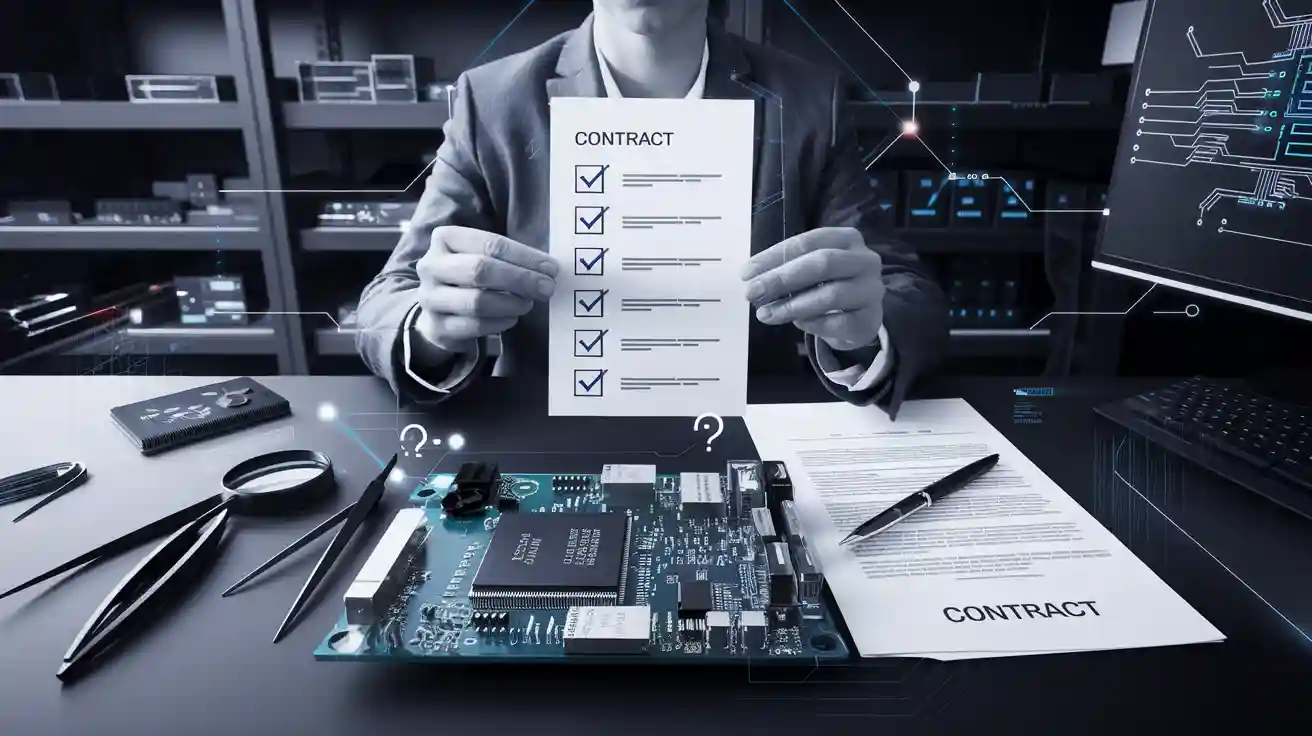
You want your printed circuit board project to go well. You also want results you can trust. Before you sign a contract with any PCB assembler, you should look closer. Asking good questions can help you avoid big mistakes. It can also help you avoid missing deadlines.
-
The printed circuit board industry is growing very fast. The market could reach $797 billion by 2029.
-
Good PCB assembly means fewer problems and better performance. It also gives you a better chance in the market.
-
Top U.S. printed circuit board makers work on high-reliability jobs. They use advanced inspection tools to find problems early.
Remember these top 10 questions when you choose a PCB partner. A smart checklist now can save you trouble later. It can also help your contract work for you.
Key Takeaways
-
Ask if the assembler has worked with your parts before and if they follow rules to make sure things work well and last long.
-
Find out what papers and files the assembler needs so you do not have delays or pay more money.
-
Look for important certificates like ISO 9001 and IPC standards so you can trust the assembler’s work and care.
-
Talk about how much the assembler can make, how fast they deliver, and if they can handle big or small orders for your project.
-
Learn about their rules for refunds, fixing mistakes, and how they get parts so you protect your money and keep your project moving.
Top 10 Questions for PCB Assemblers
Component Specifications
When you begin a printed circuit board project, check if the contract manufacturer can handle your board needs. Ask if they have worked with different parts like resistors, capacitors, and integrated circuits. You want every part to fit your design and follow industry rules. If the manufacturer follows RoHS and IPC rules, you will not have problems with laws or reliability. Good suppliers look at footprints, pin layouts, and thermal ratings. This helps stop mistakes during assembly and keeps your assemblies working for a long time.
Required Documentation
Good documentation is very important for pcb assembly. Always ask what files the contract manufacturer needs, like BOMs, schematics, and assembly drawings. If documents are missing or not complete, you could have delays, spend more money, or get bad assemblies. A strong engineering team helps with design, layout, and revision control. This makes the whole pcb manufacturing process easier and keeps your assemblies on track.
Certifications and Standards
Certifications show the manufacturer cares about quality. Look for ISO 9001, IPC-A-610, and ESD compliance. These standards mean the contract manufacturer uses a quality system and follows strict quality steps. IPC standards help lower mistakes and make product assembly more reliable. When you see these certifications, you know the manufacturer meets global rules and can handle your assemblies with care.
Manufacturing Capabilities
You want a contract manufacturer with strong skills. Ask about their biggest board size, layer count, and how many boards they can make. Advanced manufacturers can handle hard assemblies, from small runs to big orders. They use careful inspection and testing tools to keep quality high. Case studies show top manufacturers can grow fast, lower defect rates, and deliver quickly.
Sourcing and Supply Chain
A good supplier keeps your pcb project moving. Ask about their sourcing process and how they manage the supply chain. Good suppliers watch part availability, lead times, and inventory levels. They use just-in-time systems and clear talks to stop delays. This helps you meet contract deadlines and keeps your assemblies on schedule.
Timeline and Delivery
Meeting your timeline is very important. Ask the contract manufacturer about their delivery process and how they handle quick-turn orders. Top manufacturers offer fast prototyping and flexible schedules. They use advanced inspection and testing to keep defect rates low. This helps you launch your product assembly faster and stay ahead in the market.
Volume vs. Quality Focus
Some manufacturers focus on making lots of boards, while others care more about quality. You need a contract manufacturer who does both. Ask about their yield rates, quality control steps, and customer satisfaction scores. Good manufacturers use strict inspection at every step, so your assemblies stay reliable, even in big batches.
Minimum Order Quantity
If you have a startup or need small batches, ask about minimum order quantities. Flexible contract manufacturers let you order small runs for testing and design changes. This lowers risk and saves money. You can check your product assembly before signing a big contract.
Refund and Rework Policy
Mistakes can happen. Ask the contract manufacturer about their refund and rework policy. Clear policies protect your money and show the manufacturer stands behind their assemblies. Good after-sales support means you can trust them with your next contract.
Industry Experience
Experience is important in pcb assembly. Ask if the contract manufacturer has worked with well-known brands or in your industry. Experienced manufacturers find problems early and offer solutions. Their knowledge helps you avoid costly mistakes and keeps your assemblies reliable during the product assembly process.
Tip: Use these top 10 questions as a checklist when you talk to any pcb contract manufacturer. This helps you avoid mistakes, control costs, and pick the right partner for your next contract.
Questions to Ask a PCB Manufacturer Before Signing a Contract

PCB File Requirements
When you begin a pcb project, ask what files are needed. Each manufacturer may want different files. You should check their file list before you sign. Most manufacturers need Gerber files, BOMs, and pick-and-place data. These files help them understand your printed circuit board design. They also help the assembly go well.
If you send the wrong files or forget something, work may stop. This can slow down your assembly and cost more money. Always ask for a checklist of needed files. Some ems companies will help you check your files first. This step helps you avoid mistakes and makes things easier.
Tip: Ask if the manufacturer can help test your pcb files before full assembly. This can find problems early and save you time.
Delivery Expectations
You want your pcb project to arrive when you need it. Before you sign, talk about delivery with the manufacturer. Ask about their average lead time and how they handle rush orders. Good ems companies track delivery numbers like order accuracy, lead time, and on-time delivery. These numbers show if they can keep your assembly on schedule.
-
Order accuracy means you get the right parts and amounts.
-
Lead time is how long it takes from order to delivery.
-
On-time delivery rate shows if they meet deadlines.
Some ems providers also track how fast they handle changes. If you need to change your pcb design, a flexible manufacturer can help. This keeps your assembly moving and helps you reach your goals. In retail and other industries, high order accuracy and on-time delivery matter a lot. You want your ems partner to do the same.
Note: Clear delivery rules in your contract help you avoid delays and keep your pcb project on track.
You want the best results for your PCB project. Use these top 10 questions as your checklist when you talk to any assembler. This helps you spot red flags and focus on quality from the start. Good questions lead to better choices and stronger partnerships. Stay proactive, ask for details, and keep your goals clear. You will feel more confident before you sign any contract.
Tip: A simple checklist can help you find a partner who values quality as much as you do.
FAQ
What files do I need to send for PCB assembly?
You usually need to send Gerber files, a BOM, and pick-and-place data. Some manufacturers may ask for extra files. Always check their list before you start.
How do I know if a PCB assembler is reliable?
Look for certifications like ISO 9001 or IPC-A-610. Ask for customer reviews or case studies. Reliable companies answer your questions and share their quality control steps.
Can I order just a few boards for testing?
Yes, many PCB assemblers offer small batch or prototype runs. This helps you test your design before you order a large batch.
What happens if there is a problem with my order?
Most good assemblers have clear refund or rework policies. Ask about these before you sign. You want to know how they fix mistakes.
How long does PCB assembly usually take?
Lead times can change based on your order size and part availability. Many companies offer quick-turn services. Always ask for an estimated delivery date before you order.