Through-Hole PCB Assembly: When to Choose This Technology Over SMT
You should choose through-hole PCB assembly when your printed circuit board needs strong mechanical bonds, reliable performance in harsh environments, or easy repair.
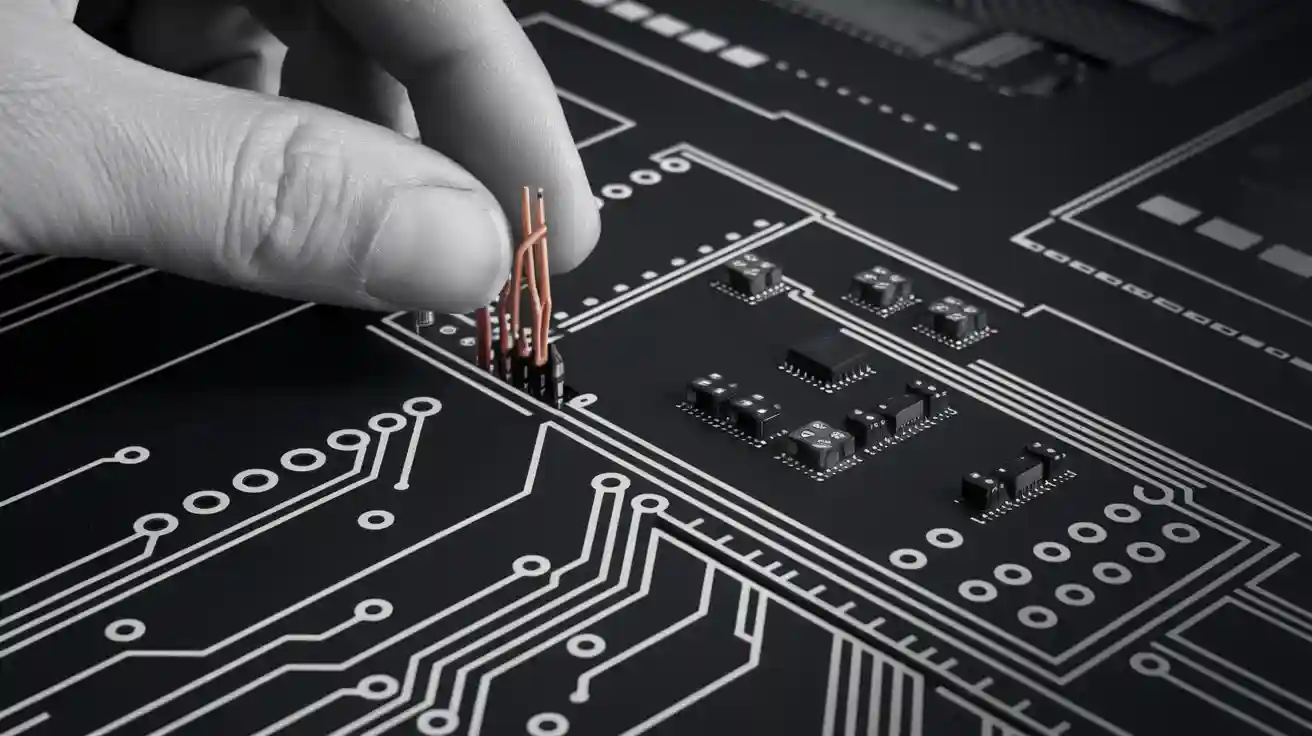
You should choose through-hole PCB assembly when your printed circuit board needs strong mechanical bonds, reliable performance in harsh environments, or easy repair. Through-hole components pass through the pcb, making through hole assembly ideal for connectors, switches, and parts exposed to vibration or heat. THT offers you easier manual assembly and debugging, which helps with prototyping and repairs. The advantages of through-hole technology stand out when SMT cannot deliver the same durability or repairability.
|
Advantage |
Explanation |
Application Examples |
|---|---|---|
|
Through-hole parts create stronger bonds than SMT. |
Aerospace, automotive, industrial, military |
|
|
Reliability |
THT withstands heat and stress better, supporting tough environments. |
Power electronics, high-temp devices |
|
Repairability |
THT allows easier manual repairs with basic tools, unlike SMT. |
Long-lifespan devices, field repairs |
-
Through hole assembly supports pcb designs that need strength and reliability.
-
THT remains the best option when you want easy repair and flexible assembly.
Key Takeaways
-
Choose through-hole PCB assembly when your design needs strong mechanical bonds and high durability in tough environments.
-
Through-hole technology offers easier repairs and manual assembly, making it ideal for prototyping and long-lasting products.
-
This method excels in mission-critical applications like aerospace, automotive, and medical devices where reliability is vital.
-
Through-hole assembly suits low to medium production volumes by reducing upfront equipment costs and simplifying processes.
-
Mixing through-hole and surface-mount technologies can balance strength, size, and cost for the best overall results.
Mechanical Strength

High-Stress Uses
You want your printed circuit board to survive in tough conditions. Through-hole mounting gives you the strength you need for high-stress uses. When you use through-hole components, you create a solid connection between the part and the pcb. This connection helps your board handle vibration, shock, and sudden movements.
-
Studies by Furlong and Freda show that you can predict the life of a complex pcb assembly under stress when you use through-hole mounting.
-
Park and his team proved that plated-through holes last longer during thermal cycling, which means your board can handle changes in temperature.
-
Industry tests, like those from IPC-TR-579, confirm that small diameter plated-through holes stay reliable even when you push them hard.
You often see through-hole mounting in aerospace, automotive, and industrial equipment. These fields demand high reliability and strong mechanical bonds. When you need your pcb to work in a moving car or a vibrating machine, through-hole mounting stands out as the best choice.
Tip: If your design faces constant movement or shock, choose through-hole mounting for better mechanical strength.
Durability Needs
Durability matters when your product must last for years. Through-hole mounting helps you reach this goal. THT creates a physical bond that surface mount technology cannot match. You get extra support from the leads passing through the board, which means your components stay in place even after many years of use.
-
Thermal shock and cycle tests, like those in IPC-TM-650, show that through-hole boards meet strict endurance standards.
-
The Coffin–Manson fatigue model proves that THT can handle real-world thermal stress, so your board will not fail early.
-
Structural tests found no bonding issues between copper wrap and base copper in through-hole assemblies, which means you can trust the mechanical reliability.
When you want your printed circuit board to last in harsh environments, THT gives you peace of mind. You can use through-hole mounting for connectors, switches, and heavy parts that need extra durability. THT also makes repairs easier, so you can keep your product running longer.
Note: For long-lasting products, through-hole mounting and THT give you the durability and reliability you need.
Through-Hole PCB Assembly Reliability
Harsh Environments
You want your pcb to survive in the toughest places. Through-hole pcb assembly gives you the strength and durability you need for harsh environments. When you use through-hole mounting, you insert component leads through the board and solder them on the other side. This creates a strong mechanical bond that stands up to vibration, shock, and extreme temperatures.
-
Through-hole assemblies hold components tightly, so they do not loosen or fall off during manufacturing or transport.
-
These boards resist high voltages, making them perfect for power electronics in industrial plants.
-
Through-hole pcb assembly works well in places with high humidity, temperature swings, or even salt spray.
Note: IST (Interconnect Stress Test) checks how well your through-hole pcb assembly handles stress, heat, and harsh elements. This test proves that your board can keep working in demanding settings like factories, cars, and airplanes.
You often see through-hole technology in aerospace, military, and industrial machines. These fields need high-reliability applications because failure is not an option. For example, engine control units in cars, avionics in planes, and automation systems in factories all use through-hole pcb assembly for their reliability advantages.
|
Through-Hole Assembly (THT) |
Surface-Mount Technology (SMT) |
|
|---|---|---|
|
Mechanical Strength |
Strong connection via leads through PCB holes; withstands high mechanical/environmental stress |
More fragile due to direct surface soldering; less resistant to mechanical stress |
|
Environmental Resistance |
Better suited for extreme acceleration, collisions, high temperatures; used in aerospace/military |
Less heat-tolerant; more susceptible to damage under harsh conditions |
|
Repair and Replacement |
Easier to identify and replace faulty components |
More difficult to repair due to small size and surface mounting |
|
Production Efficiency |
Slower, more expensive due to drilling and manual/wave soldering |
Faster, automated assembly with higher component density and reliable solder joints |
|
Application Suitability |
Preferred for heavy-duty, harsh environment applications |
Preferred for miniaturization, high-density, and cost-effective mass production |
Through-hole mounting also helps your pcb handle heat. The leads act as tiny heat sinks, pulling heat away from sensitive parts. This keeps your board safe in high-power devices and stops overheating.
Mission-Critical Products
You need absolute trust in your electronics when lives or big investments are at stake. Through-hole pcb assembly delivers the reliability you demand for mission-critical products. THT stands out in aerospace, defense, automotive, and medical devices where failure can cause serious problems.
Nortech, a leader in aerospace and defense, uses through-hole auto insertion for their mission-critical assemblies. Their boards meet the IPC-J-STD-001 Space Addendum Standard, which means they pass the toughest quality and reliability tests. These standards prove that through-hole pcb assembly can handle the harshest conditions in space and defense.
-
Missile guidance systems, satellite electronics, and aircraft controls all rely on through-hole technology for strong, stable connections.
-
In cars, you find THT in engine control units, airbags, and braking systems because these parts must work every time.
-
Medical devices like heart monitors and defibrillators use through-hole pcb assembly for long-term durability and precision.
Tip: If your product must never fail, choose through-hole mounting. You get superior mechanical strength, better heat resistance, and easier repairs.
Environmental tests like temperature cycling, thermal shock, and humidity exposure show that through-hole pcb assembly keeps working even after years of stress. These tests confirm that THT boards stay reliable in the most demanding jobs.
-
Through-hole assembly gives you stronger bonds and better shock resistance than SMT.
-
You get greater current handling and thermal dissipation, which is vital for power resistors, inductors, and transformers.
When you build high-reliability applications, through-hole pcb assembly gives you the confidence that your product will last. The advantages of THT make it the top choice for any mission-critical job.
Repairability and Prototyping
Manual Assembly
You gain a big advantage with through-hole assembly when you need repairability and maintainability. Through-hole components are easy to handle, so you can insert and solder them by hand. This makes the assembly process slower than surface mount, but it gives you more control and flexibility. You can quickly swap out parts, fix mistakes, or upgrade your design without special tools.
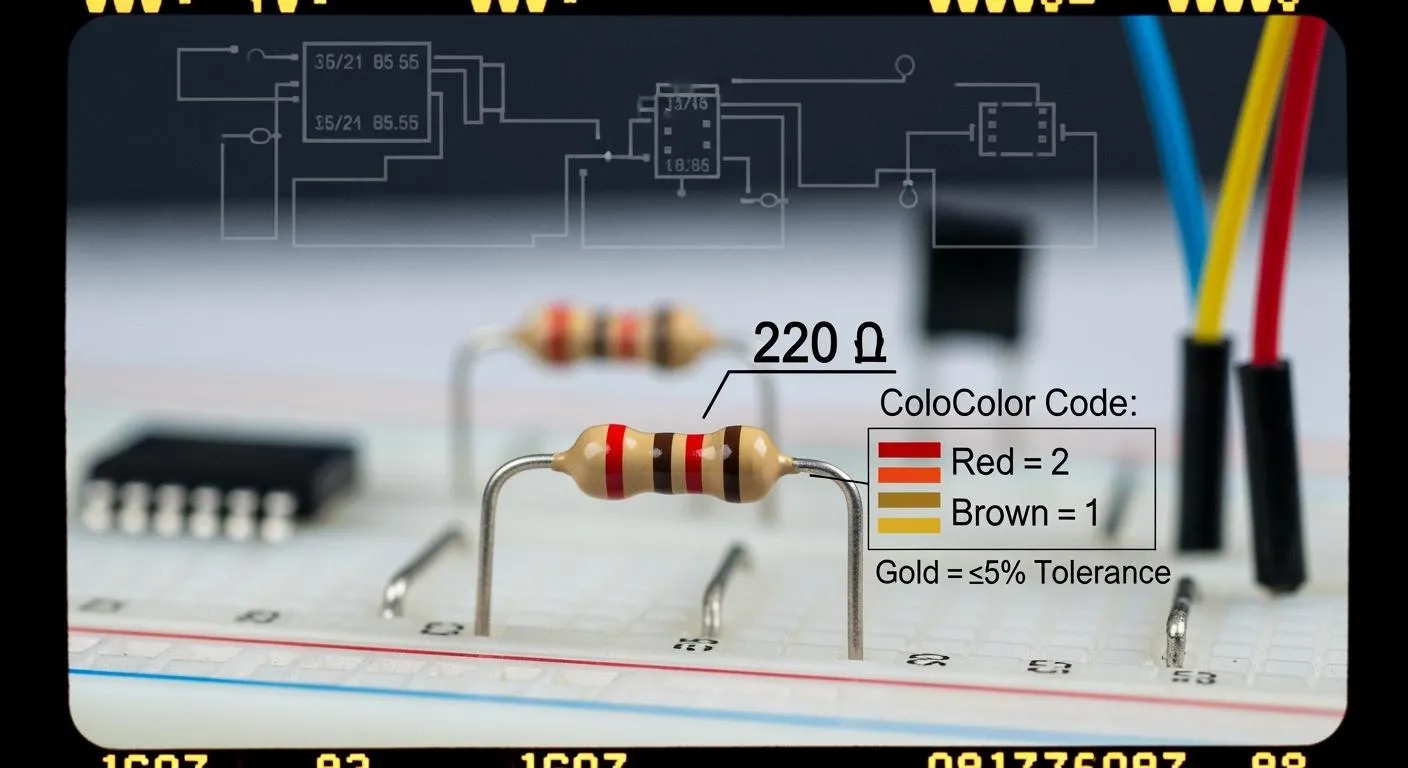
Through-hole assembly supports repairability because you can remove and replace components with basic soldering skills. If you need to change a resistor or capacitor, you can do it without damaging the pcb. This is important for prototypes, where you often make changes as you test your ideas.
Here are some best practices that help you during manual assembly and prototyping:
-
Use larger pad sizes and wider spacing to make soldering easier.
-
Choose standard, easy-to-find components for quick replacements.
-
Keep detailed records of your parts and changes for better traceability.
-
Inspect your work at each step to catch problems early.
-
Learn from each build to improve your next prototype.
Tip: Through-hole assembly gives you the repairability you need for hands-on projects and prototypes.
Debugging and Education
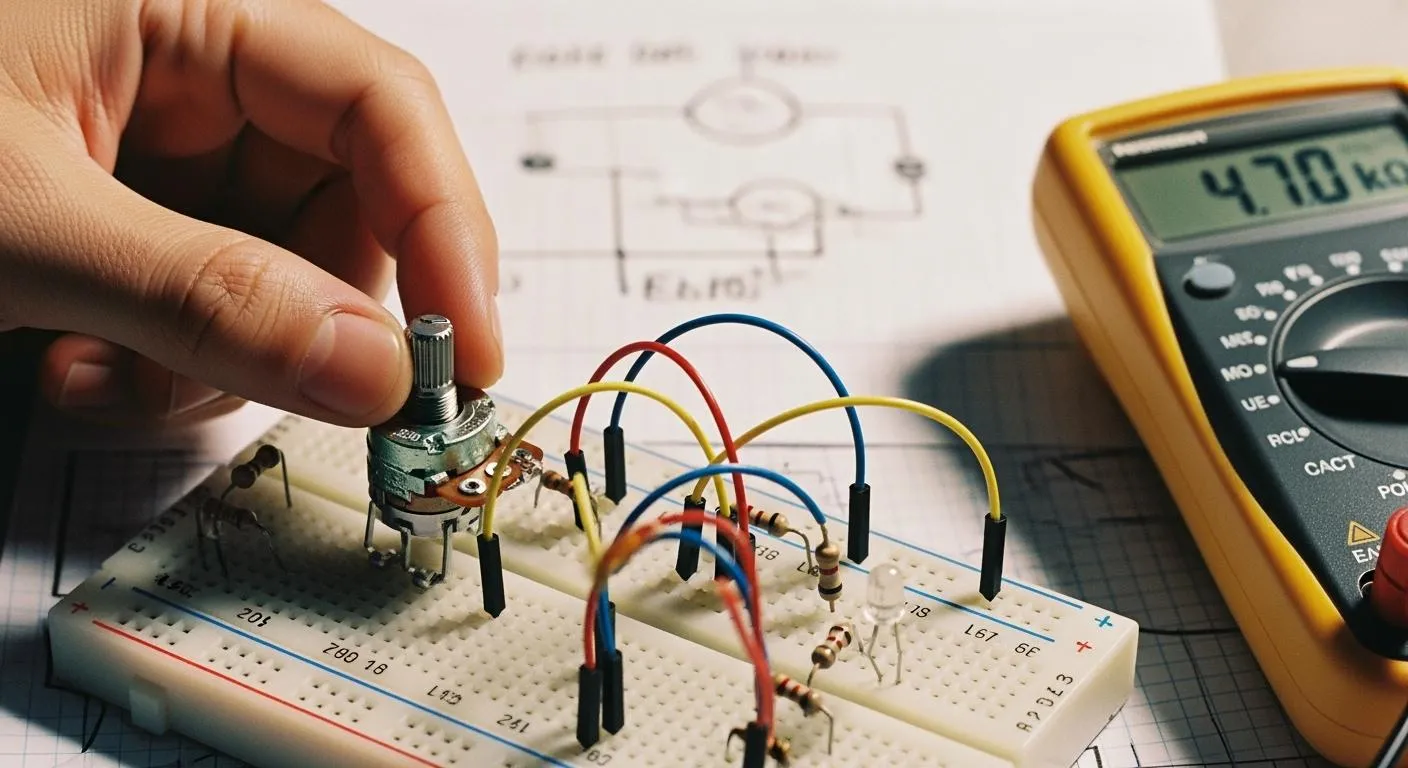
You will find that through-hole technology makes debugging and learning much easier. The larger size of THT parts lets you see and touch each component, which helps you understand how your circuit works. You can use test points, debug headers, and indicator LEDs to check signals and system status right on the board.
When you work on a prototype, you often need to test and fix problems. Through-hole assembly supports repairability by letting you remove and replace parts many times. You can also add or change connections with jumper wires or swaperoo resistors, which helps you fix signal errors without redesigning your pcb.
Here are some features that boost repairability and debugging:
-
Debug headers give you direct access for troubleshooting.
-
Indicator LEDs show you if your system works as planned.
-
Swaperoo resistors let you fix signal paths quickly.
-
Test pads make it easy to measure voltages and signals.
-
You can test each part of your circuit by itself, so you find faults faster.
-
Thermal test points help you keep your components safe from heat.
-
You can break out unused pins for quick changes or repairs.
-
Adding version numbers and serial IDs helps you track each prototype.
Note: Through-hole assembly offers unmatched repairability and design flexibility, making it the top choice for education, prototyping, and hands-on debugging.
Through-Hole Components and Availability
Legacy Parts
You may find that many electronic designs still depend on legacy through-hole components. These parts remain important for industries like automotive, aerospace, and industrial automation. Even as new technologies appear, you often need through-hole components for large connectors, high-power resistors, and capacitors that require strong anchoring to the pcb.
The 'Supply Chain Insights from IHS Markit - AltiumLive 2022' report shows that you must monitor part lifecycle status and end-of-life notifications. This helps you manage both legacy and modern components. You can use tools that alert you when a part becomes obsolete or when you introduce a component never used before. This is critical for both new product introductions and for supporting older builds.
-
Consumer electronics still use through-hole passive components for signal processing and power management.
-
The automotive industry relies on through-hole components for power conversion and safety systems.
-
Industrial automation and IoT growth increase the use of these components in control systems and sensor interfaces.
Tip: If you work with legacy systems, you should track supply chain notices and lifecycle alerts to avoid unexpected shortages.
Long-Term Support
You want your products to last. Through-hole components help you achieve product longevity because they offer strong mechanical bonds and easy repair. Manufacturers use production and order history data to forecast part life expectancy. This helps you plan for obsolescence and maintain a steady supply.
|
Aspect |
Details |
|---|---|
|
USD 38 Billion |
|
|
Projected Size (2032) |
USD 69.76 Billion |
|
Key Reliability |
Rugged design, strong soldered contacts, mechanical rigidity |
|
Application Sectors |
Aerospace, automotive, industrial electronics, education, prototyping |
|
Usage Benefits |
High resistance to stress, temperature, and vibration; easy manual assembly |
You can extend support for your products by choosing through-hole components common in stable industries. This reduces supply risks and ensures multiple sourcing options. Leading manufacturers like Yageo, Vishay, and Panasonic continue to support these parts, so you can trust their ongoing availability.
Note: Through-hole components give you the confidence to build products that last and remain serviceable for years.
Production Volume and Cost
Low-Volume Runs
You may want to build only a small number of printed circuit boards. Through hole assembly gives you an advantage in these cases. You do not need to buy expensive machines or set up a full production line. You can use simple tools and manual labor to complete your assembly. This flexibility helps you save money when you do not plan to make thousands of boards.
Surface-mount technology works best for large runs. SMT uses automated machines that place surface-mount devices quickly and with high accuracy. These machines cost a lot to buy and set up. If you only need a few boards, the high equipment cost becomes a big disadvantage. Through-hole assembly avoids this problem because you pay less upfront.
|
Through-Hole Technology (THT) |
Surface Mount Technology (SMT) |
|
|---|---|---|
|
Assembly Process |
Manual, good for low-volume runs |
Automated, best for high-volume runs |
|
Upfront Investment |
Low |
High |
|
Cost per Unit |
High at large volumes |
Low at large volumes |
|
Production Speed |
Slow |
Fast |
Tip: For prototypes or small batches, through hole assembly keeps your costs down and your process simple.
Cost Comparison
You need to think about both labor and equipment when you compare through hole assembly and SMT. Through-hole assembly uses more manual labor. Workers insert and solder each part by hand or with simple machines. This makes the process slower and raises the cost per board, especially if you need many boards. SMT uses machines like pick-and-place robots and reflow ovens. These machines cost a lot but can build many boards quickly.
Here is a cost range for each method:
|
Assembly Type |
Cost Range per Panel (USD) |
Notes on Volume Impact |
|---|---|---|
|
Through-Hole (THT) |
$100 - $1,000 |
Higher labor costs; more expensive at low volumes due to manual processes |
|
SMT |
$50 - $500 |
Lower labor costs; more cost-effective at high volumes due to automation |
|
Mixed Assembly |
$150 - $1,500 |
Combines both methods; cost depends on component ratio and complexity |
You will see that through hole assembly has lower equipment costs but higher labor costs. SMT has the opposite: high equipment costs but low labor costs per unit. Surface-mount technology becomes cheaper as you make more boards. Through-hole becomes less cost-effective for large runs because labor and drilling add up. SMT also handles small surface-mount devices better, but it has disadvantages for repair and flexibility.
-
Through hole assembly is best for low to medium runs.
-
SMT is best for high-volume, automated production.
-
Mixed assembly can balance the disadvantages of both methods.
Note: Always match your assembly method to your production volume and budget. This helps you avoid hidden disadvantages and get the best value.
You should choose through-hole pcb assembly when you need strong mechanical bonds, high reliability, or easy repair. The table below shows how the advantages of through-hole and smt compare:
|
Factor |
Through-Hole PCB Assembly |
SMT |
|---|---|---|
|
Mechanical Strength |
High |
Moderate |
|
Reliability |
Excellent in harsh conditions |
Good for most uses |
|
Cost |
Higher for large runs |
Lower for mass production |
-
Review your project’s needs for durability, repair, and production volume.
-
Sometimes, a mix of both methods gives you the best results.
FAQ
What is the main reason to choose through-hole assembly over SMT?
You should choose through-hole assembly when you need strong mechanical support. This method works best for parts that face stress, vibration, or heat. You get better durability and easier repairs with through-hole technology.
Can you mix through-hole and SMT on the same PCB?
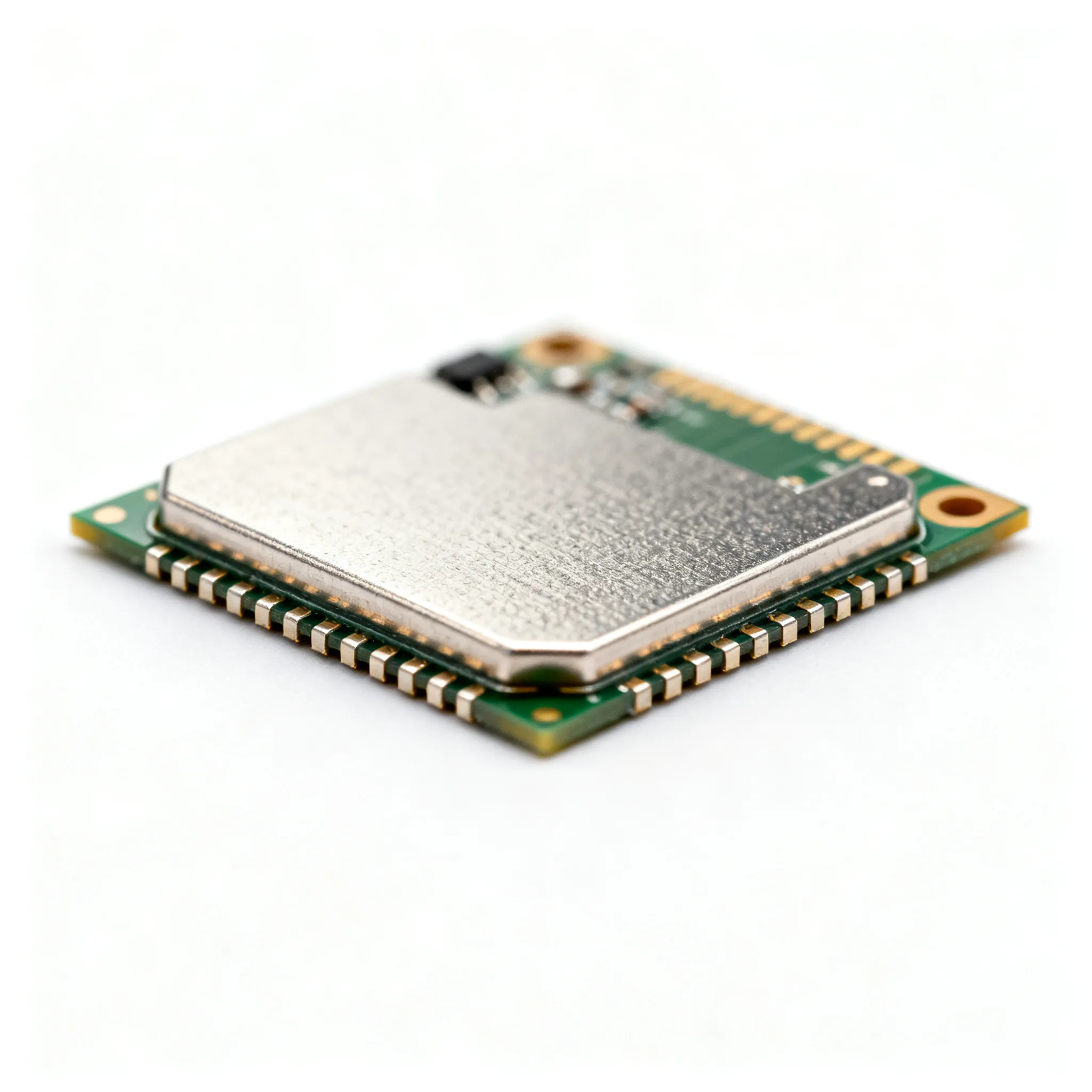
Yes, you can use both types on one board. This is called mixed assembly. You get the strength of through-hole for large parts and the compact size of SMT for smaller parts.
Is through-hole assembly better for beginners?
Through-hole assembly is easier for beginners. You can see and handle the parts without special tools. This method helps you learn soldering and circuit design.
How does through-hole assembly affect repair and maintenance?
You can repair through-hole boards more easily. You remove and replace parts with basic tools. This makes maintenance simple and cost-effective.
Are through-hole components still easy to find?
You can still find many through-hole parts, especially for common uses. Some special or new parts may only come in SMT. Always check availability before you start your project.