The Science Behind How an Integrated Circuit Works
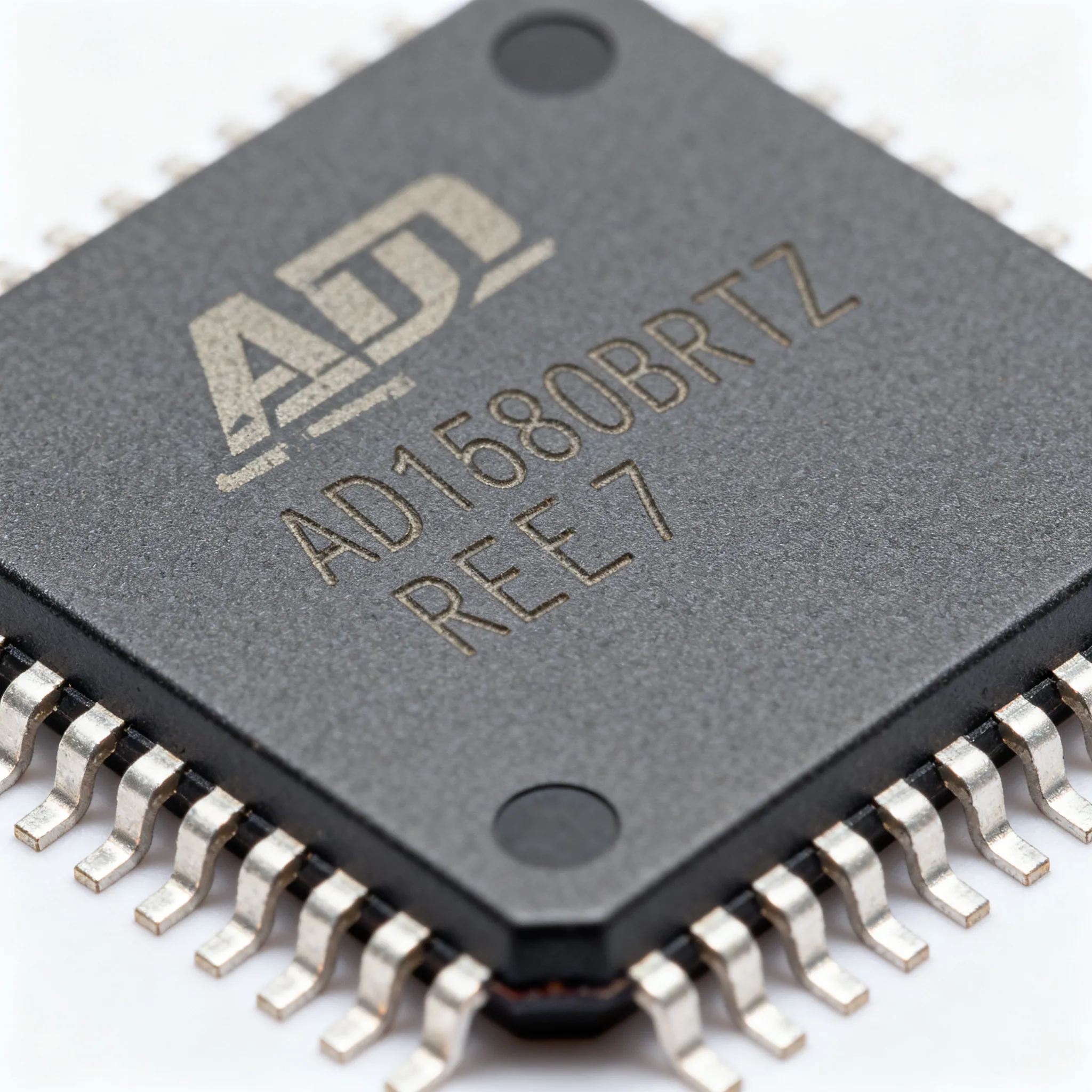
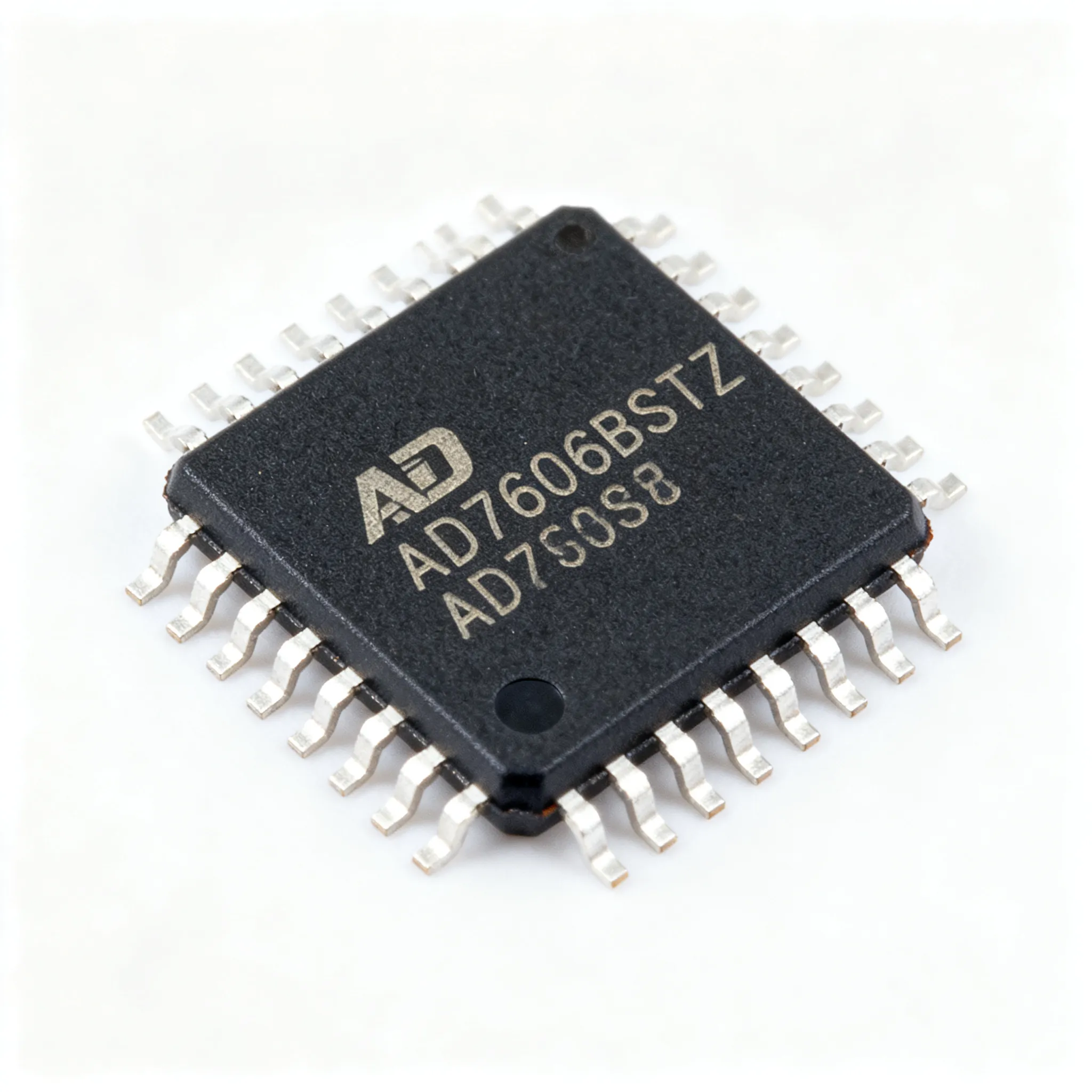
Image Source: Pixabay Integrated Circuit Works have revolutionized electronics by combining numerous components onto a single chip. These chips, crafted from semiconductors, encompass transistors, resistors, and capacitors. These components collaborate to manage electrical signals.
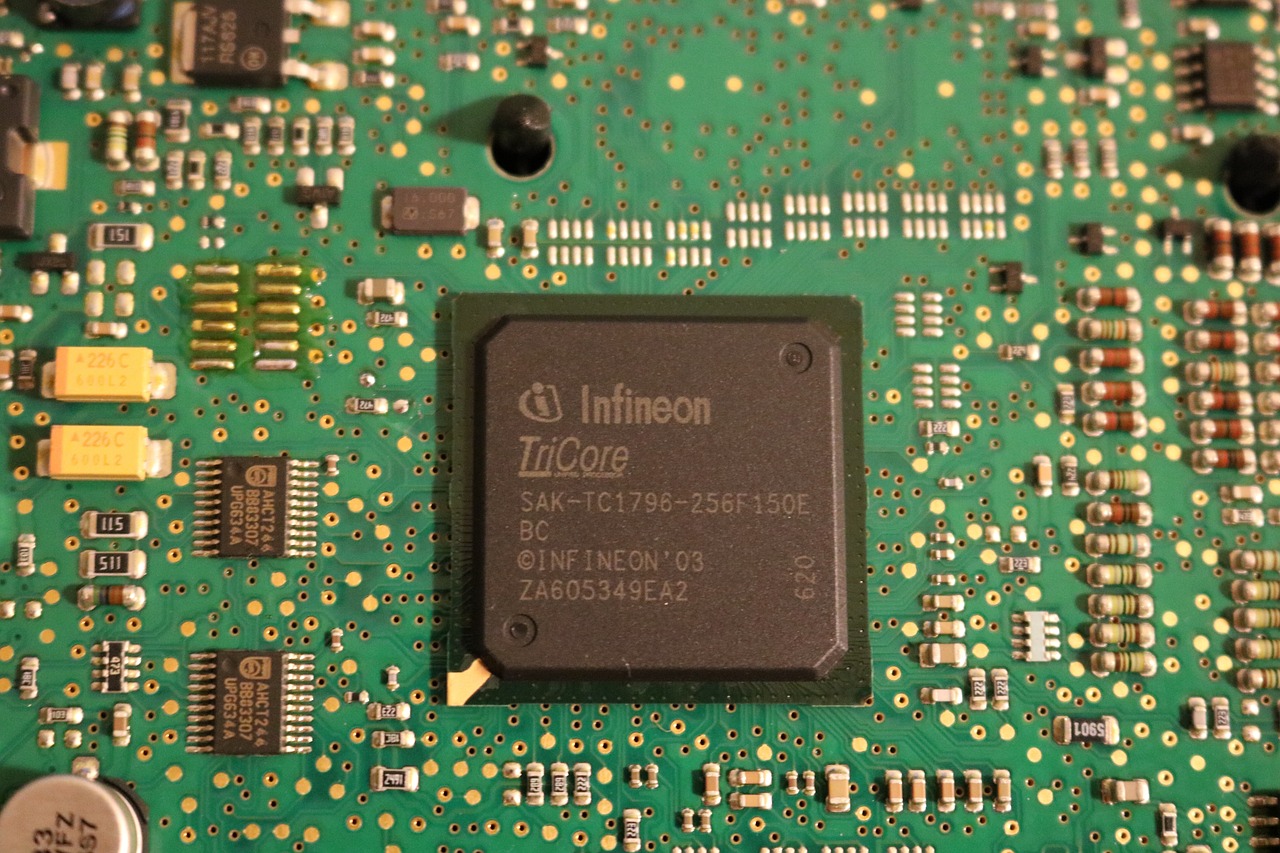
Integrated Circuit Works have revolutionized electronics by combining numerous components onto a single chip. These chips, crafted from semiconductors, encompass transistors, resistors, and capacitors. These components collaborate to manage electrical signals. You can find Integrated Circuit Works in nearly every modern device, such as phones and medical equipment. Their significance is immense: by 2025, they are projected to generate $602.41 billion globally. The U.S. is at the forefront of advancing semiconductor technology. This illustrates how Integrated Circuit Works energize the devices you rely on every day.
Key Takeaways
-
Integrated circuits put many electronic parts into one tiny chip. This makes gadgets smaller, cheaper, and faster.
-
Transistors work like tiny switches in these circuits. They control electricity flow and help process digital data.
-
Semiconductors, such as silicon, are key for these circuits. They control how electricity moves for better signal handling.
-
Power management in circuits helps save energy. This is very important for portable devices and medical tools.
-
Integrated circuits are crucial for today’s technology. They power things like phones, medical tools, and new electronic ideas.
What is an Integrated Circuit?
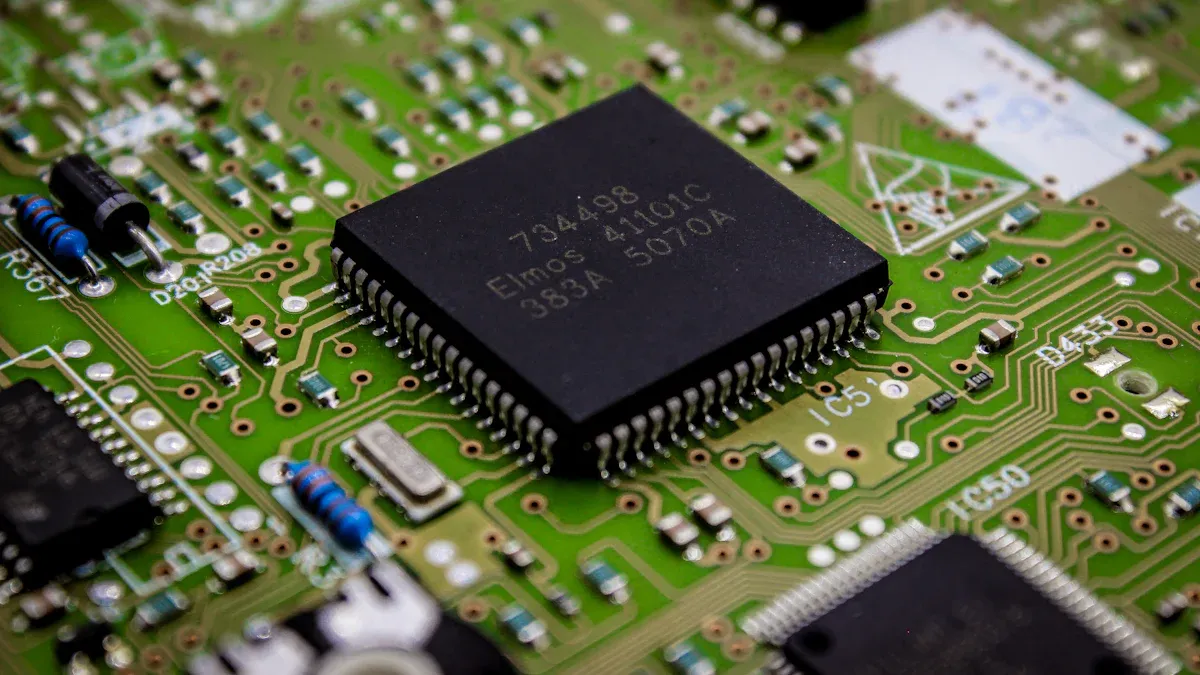
Definition of an Integrated Circuit
An integrated circuit is a small device that holds many parts on one chip. These chips are made from materials like silicon and do specific jobs. Think of an integrated circuit as a tiny version of a full electronic system. It can handle signals, save data, or control actions based on its design.
This technology has changed electronics by making gadgets smaller and faster. Instead of using separate parts, engineers combine them into one small unit. This makes devices cheaper, smaller, and better at working.
Key Components of an Integrated Circuit
An integrated circuit has important parts, each doing a special job. These parts work together to make the circuit do what it’s supposed to. Below is a list of the main parts:
|
Component Type |
What It Does |
|---|---|
|
Transistors |
Tiny switches that turn electricity on and off or make it stronger. |
|
Let electricity flow in one direction, used for fixing current flow. |
|
|
Resistors |
Slow down electricity, used to control voltage and current. |
|
Capacitors |
Store and release energy, used for timing and cleaning signals. |
|
Semiconductor Material |
Usually silicon, the base material for building integrated circuits. |
Transistors act like small switches to control electricity flow. Diodes make sure electricity moves in one direction. Resistors slow down electricity to manage how much flows through. Capacitors hold energy and release it when needed, helping with tasks like cleaning signals. All these parts sit on a semiconductor material, which is the base of the circuit.
By putting these parts together, an integrated circuit can do hard jobs in a small and smart way.
The Science Behind How an Integrated Circuit Works
Role of Semiconductors in Integrated Circuits
Semiconductors are the heart of every integrated circuit. Materials like silicon can act as conductors or insulators. This depends on the situation. This special ability helps control electrical signals in chips.
To understand semiconductors, you need to know about band theory. Band theory explains how electrons move in a material. In semiconductors, the energy gap is small. This makes it easier to control electron flow. Engineers improve this by adding impurities, called doping. Doping creates two types of materials:
-
n-type: Has extra electrons, making it negatively charged.
-
p-type: Has fewer electrons, creating positive holes.
When n-type and p-type materials combine, they form parts like diodes and transistors. These parts work by moving electrons and holes. Without semiconductors, microchips would not exist.
How Transistors Function as Switches
Transistors are key parts of integrated circuits. They work like tiny switches, controlling electricity flow. A transistor has three parts: source, gate, and drain. The gate decides if electricity flows between the source and drain.
A small voltage at the gate creates an electric field. This field lets electrons move from the source to the drain. Turning the gate voltage on or off switches the transistor between two states:
-
On (1): Electricity flows, showing a binary "1."
-
Off (0): Electricity stops, showing a binary "0."
This switching is the base of digital electronics. Modern transistors switch billions of times per second. Their performance depends on design and materials. For example, changes in voltage can affect reliability. Engineers keep improving transistors for better performance.
Logic Gates and Binary Data Processing
Logic gates are the core of data processing in circuits. They use transistors to do basic tasks like AND, OR, and NOT. Gates handle binary data (1s and 0s) to give specific outputs.
For example, an AND gate gives "1" only if both inputs are "1." An OR gate gives "1" if one input is "1." Combining gates creates circuits that do math, make decisions, or store data.
New logic systems make binary processing better. For example:
-
Binary Logic: Uses 0 and 1 but handles less data.
-
Multivalued Logic: Handles more states, making it faster and simpler.
-
Resistive RAM-based Logic: Does tasks like NAND and OR efficiently.
These improvements make circuits stronger and more useful. They help devices like phones and medical tools do hard jobs quickly and well.
How Integrated Circuits Work
Signal Flow in an Integrated Circuit
Signal flow shows how electricity moves through a circuit. It’s like a map guiding electricity between parts. Signals pass through transistors, resistors, and capacitors. Each part helps shape the signal's path.
Engineers test signal flow to ensure the chip works properly. They use different methods, such as:
|
Test Type |
What It Checks |
|---|---|
|
At-Speed Scan Testing |
Finds timing problems by testing at normal speed. |
|
Memory Tests |
Checks memory for errors using built-in tools. |
|
Power Integrity Tests |
Examines power flow with voltage and noise tests. |
|
Signal Integrity Tests |
Measures signal quality using diagrams to spot issues. |
|
Electro-Static Discharge |
Tests how the chip handles static electricity. |
|
Thermal Tests |
Checks if the chip works well in hot or cold conditions. |
|
Functional Tests |
Makes sure the chip does its job by comparing inputs and outputs. |
These tests ensure signals move correctly so the chip works as planned. Without smooth signal flow, the chip couldn’t process data or run commands.
Data Processing Mechanism
Integrated circuits handle data using transistors and logic gates. They make decisions based on 1s and 0s. This process needs to be fast, accurate, and efficient to handle tough tasks.
Recent improvements have made circuits much better:
|
Metric |
Improvement |
|---|---|
|
Layout optimization time |
Cut from 100 hours to 10 hours |
|
Accuracy (MAE) |
94% better |
|
R² score |
5.88% higher |
|
Delay prediction (RMSE) |
25% lower |
|
Correlation coefficient |
35.71% higher |
|
Design quality (Power) |
|
|
Design quality (Area) |
50% better |
|
Design quality (Performance) |
100% better |
|
Unseen designs accuracy |
15-35% better |
|
Scalability (MSE) |
75% lower |
|
Efficiency for high-speed designs |
30% better |
These upgrades make chips faster and more dependable. For example, smartphone chips now handle millions of tasks per second. This allows features like face unlock and live video streaming.
Power Management in Integrated Circuits
Power management helps chips save energy while working well. For example, laptops last longer when chips use power wisely.
The power management market has grown due to new advancements:
|
Report Title |
Market Size (USD) |
Growth Rate (%) |
Forecast Period |
|---|---|---|---|
|
Power Management IC Market Size, Share, Industry Forecast by 2032 |
16.2 |
2022-2032 |
|
|
Power Management Integrated Circuit for Automotive Market Disruption: Competitor Insights and Trends 2025-2033 |
41.1 Billion (2024) |
6.9 |
2024-2033 |
|
Power Management Integrated Circuit (IC) Market Size Reach 2035 |
79.8 Billion (2035) |
N/A |
N/A |
To improve power use, engineers follow these steps:
-
Defining the Research Problem: Finding key trends and needs in power management.
-
Secondary Research: Studying reports and data to gather information.
-
Primary Research: Talking to experts to confirm findings.
-
Market Size Estimation and Data Validation: Using methods to ensure accurate data.
-
Analysis and Interpretation of Data: Using tools to find patterns and trends.
These steps help chips save energy while staying powerful. This is crucial for devices like electric cars and medical tools, where energy use affects cost and performance.
The Role of ICs in Microprocessors and Modern Electronics
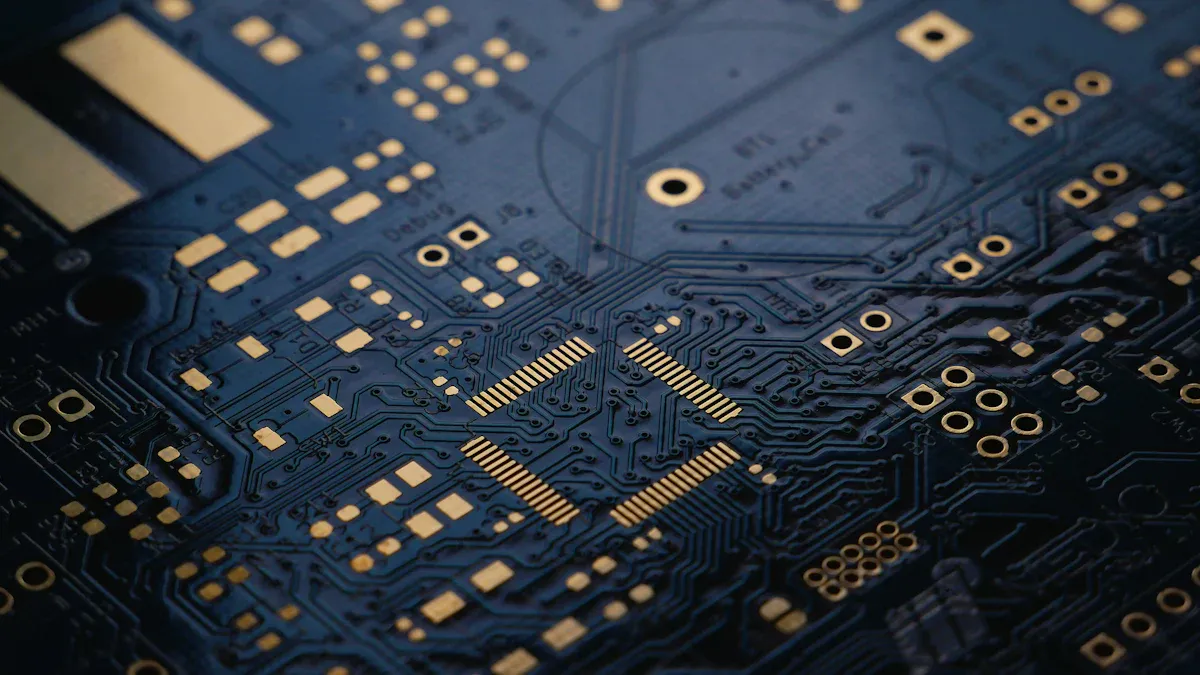
ICs in Microprocessors
Integrated circuits are key to microprocessors, the "brains" of devices. Microprocessors follow instructions, solve problems, and control tasks. They use chips with millions or billions of transistors. This lets them handle data very quickly.
Microprocessors have improved thanks to better integrated circuits. For example, System-on-Chip (SoC) designs combine memory, processing, and communication into one chip. This makes devices smaller and more efficient. Moore's Law says chips double their transistors every two years. This boosts speed and power.
|
Source |
Summary |
|---|---|
|
The Evolution and Impact of Integrated Circuits in Modern Electronics |
Shows how ICs change technology. |
|
The Evolution of Integrated Circuits: From Invention to Modern Applications in Electronics |
Explains microprocessors as the heart of digital devices. |
|
Microprocessor vs Integrated Circuit: Unveiling the Core of Modern Technology |
Highlights microprocessors' role in improving electronics. |
HiSilicon is a top chip maker. Their chips power many devices, showing ICs' importance in communication. Learn more at HiSilicon ICs.
Applications in Consumer Electronics
Integrated circuits are vital for gadgets like phones, laptops, and watches. They make devices small, energy-saving, and dependable. CMOS technology is popular because it uses less power, perfect for portable devices.
The consumer IC market is growing fast. In 2023, it was worth $475.18 billion and may reach $700 billion by 2032. IoT and 5G tech drive this growth. Chip-on-Board and Surface Mount Technology improve performance and cut costs.
-
Examples of ICs in electronics:
-
Phones with strong processors for multitasking.
-
Wearables that track health stats.
-
Smart home systems with built-in communication tools.
-
Industrial and Medical Uses of Integrated Circuits
ICs are also crucial for industrial and medical tools. They are precise and reliable, making them essential. In factories, ICs help machines measure and work efficiently. In hospitals, ICs power life-saving devices.
|
Case Study |
Description |
|---|---|
|
Controlled motors for medical procedures. |
|
|
Portable MRI |
Made parts for a mobile MRI machine. |
|
Bone Drill |
Managed motor for drills stopping at set depths. |
|
Electro-Cardiogram Pants |
Built wearable heart monitors. |
These examples show ICs' flexibility. Whether in factories or hospitals, ICs boost safety and performance. Analog ICs handle smooth signals, while digital ICs work with binary data. Each type fits specific tasks.
Integrated circuits are key to modern gadgets and machines. They power devices like phones and factory tools. A single computer chip can have over 1 billion transistors. This shows how advanced they are. For 60 years, ICs have grown from military uses to farming and communication. New materials like silicon carbide and gallium nitride improve them further. These chips follow more than 500 design rules, making them hard to create. Without ICs, today’s fast tech growth wouldn’t happen. By combining many parts into one chip, ICs are shaping the future of technology.
FAQ
What does an integrated circuit do?
An integrated circuit puts many electronic parts on one chip. It handles data, controls signals, and completes tasks quickly. You see it in phones, computers, and medical devices.
Why are semiconductors needed in integrated circuits?
Semiconductors help control how electricity moves in circuits. They can act like conductors or insulators based on the situation. This helps manage signals and power in electronics.
How do transistors work inside an integrated circuit?
Transistors are like tiny switches. They turn electricity on or off. This switching shows binary numbers (1s and 0s), helping devices process data fast.
Can integrated circuits help save energy?
Yes, integrated circuits use smart power-saving methods. They work well while wasting less energy. This helps devices last longer and run better.
Where are integrated circuits found today?
Integrated circuits are in almost all modern gadgets. They power phones, laptops, medical tools, and factory machines. Their flexibility makes them very important in technology.