The Evolution of Power Integrated Circuits: From Discrete Components to System-on-Chip Solutions
Electronics used to need big, separate parts to control power. Now, small chips do these jobs faster and better. Power Integrated Circuits are important in things like phones and cars.
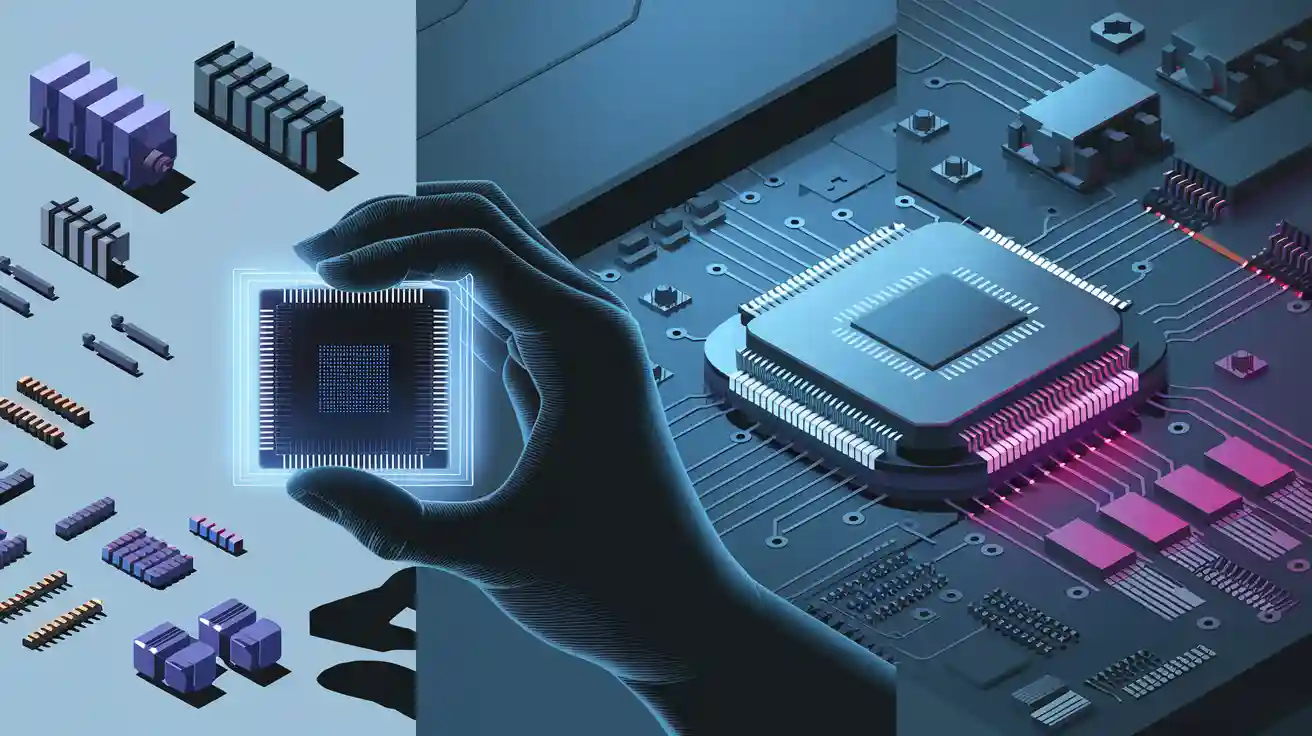
Electronics used to need big, separate parts to control power. Now, small chips do these jobs faster and better. Power Integrated Circuits are important in things like phones and cars. People like smaller devices, longer battery life, and safer products because of these changes. > This change has affected how people live, work, and connect.
Key Takeaways
-
Power Integrated Circuits took the place of many parts. They put them all into one small chip. This made devices smaller and lighter. It also made them work better and break less often.
-
System-on-Chip solutions put many jobs on one chip. This helps devices run faster. It also saves power and makes them work better.
-
These chips help devices use less energy. This means batteries last longer. Devices also stay cooler and safer.
-
Power Integrated Circuits and SoCs are in things we use every day. You can find them in smartphones, smartwatches, and smart home devices.
-
In the future, chips will use artificial intelligence to manage power. This will help devices last longer and work even better.
Discrete to Integrated
Early Components
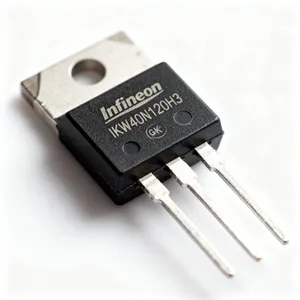
Long ago, engineers made circuits with single parts. They used transistors to turn signals on or off. Resistors helped control how much current moved. Capacitors could hold and give back energy. Each part did something special. Wires connected all the parts on big boards. This made devices large and heavy. Old radios, TVs, and computers used these separate parts.
Early electronics were huge and took up lots of space. Fixing them was hard because any part could break.
Engineers had many problems with this way. Devices broke a lot. Heat from the parts made things worse. Building each device took lots of time and money. People wanted smaller and better products as technology got better. It was clear things needed to change.
Invention of ICs
A big change came in the late 1950s. Jack Kilby at Texas Instruments made the first integrated circuit in 1958. Robert Noyce at Fairchild Semiconductor also helped a lot. They put many parts onto one piece of silicon. This chip could do what many parts did before.
ICs changed electronics in a big way. Devices got smaller and lighter. ICs made things work better because there were fewer connections. Factories could make lots of chips at once, so prices dropped. Devices used less power and stayed cooler.
Key improvements with ICs:
-
Smaller size 🟢
-
Better reliability 🟢
-
Lower cost 🟢
-
Higher efficiency 🟢
Now, almost every electronic device uses integrated circuits. This change helped make even better chips later.
Power Integrated Circuits
Advancements
At first, engineers made simple integrated circuits. These only did easy jobs. Later, they made Power Integrated Circuits that could do much more. These chips started to have both analog and digital parts. Analog parts help control things like voltage and current. Digital parts help with logic and control signals. When both types are on one chip, the circuit can manage power in a smarter way.
Power Integrated Circuits now have many features. Some chips can turn power on and off very fast. Others can keep devices safe from too much current or heat. Many chips can also share information with other parts of a device. This helps designers make products that are smaller and safer.
Power Integrated Circuits changed how engineers build electronics. They do not need lots of separate parts for power control anymore. Now, one chip can do the work of many.
Efficiency Gains
Power Integrated Circuits make devices work better than old designs. These chips use less power because electricity travels shorter paths. This means less energy turns into heat. Devices with these chips are smaller and lighter. One chip can take the place of many big parts.
Some of the most important gains are:
-
Smaller and lighter devices, which are easier to carry
-
Better performance, because signals move faster inside the chip
-
Less heat, so devices are safer and last longer
Engineers check these gains by looking at power use, size, and how well the device works. When they compare Power Integrated Circuits to old designs, they see clear benefits. System-on-Chip solutions make these gains even bigger by putting more functions on one chip.
System-on-Chip
SoC Features
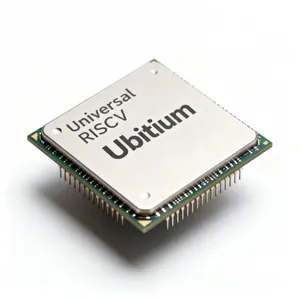
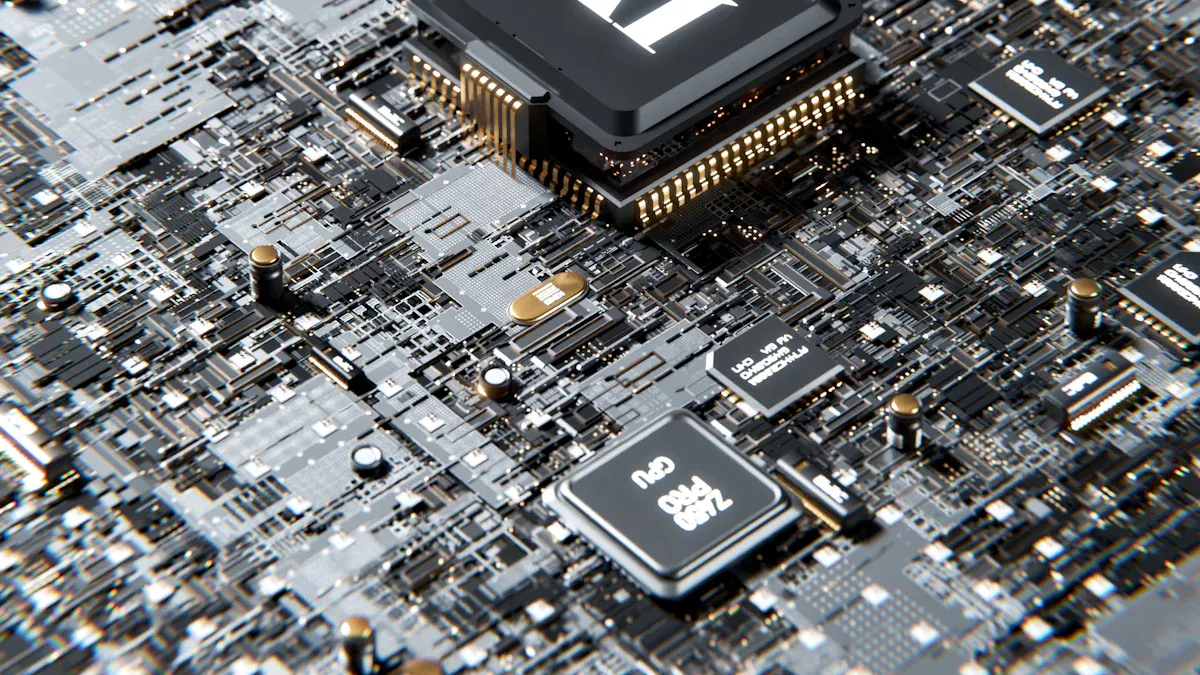
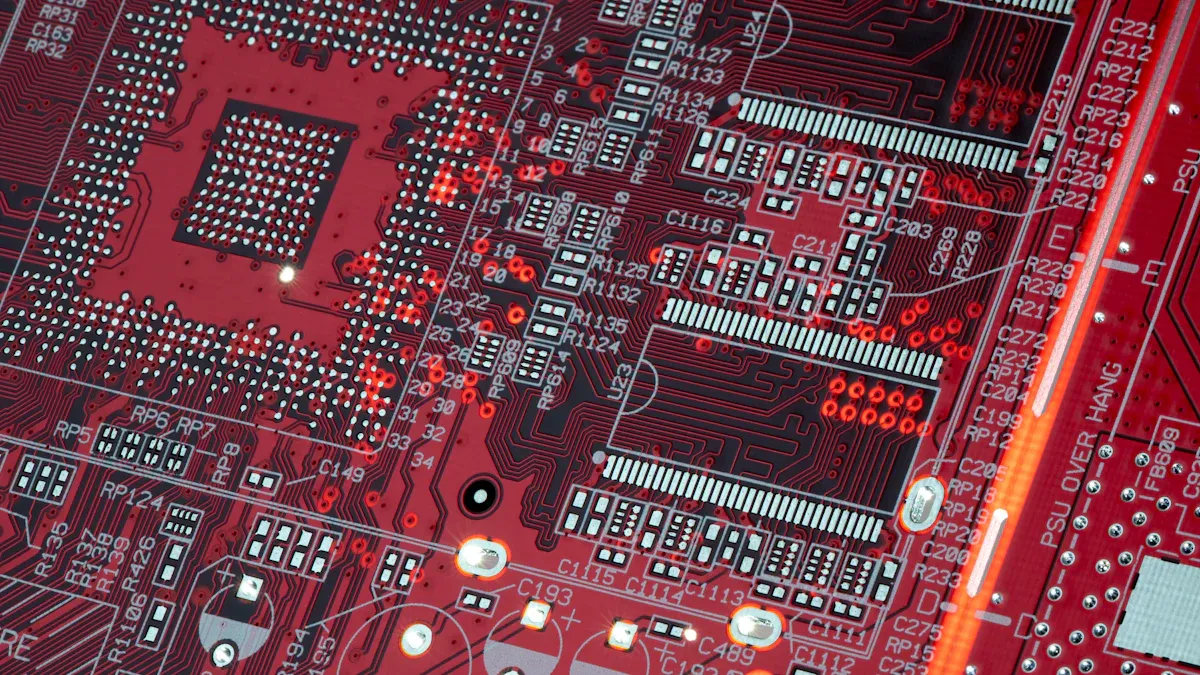
A System-on-Chip, or SoC, puts many parts together on one chip. This chip can have a processor, memory, and power management. It can also have other important blocks. SoC technology takes the place of many separate parts. Now, one small chip can do a lot.
Key features of SoCs are:
-
High Integration: SoCs put digital, analog, and sometimes radio parts together.
-
Small Size: Devices get smaller because they need fewer parts.
-
Low Power Use: SoCs use less energy, so batteries last longer.
-
Fast Communication: Signals move quickly inside the chip. Devices can answer faster.
-
Built-in Power Management: Many SoCs have Power Integrated Circuits. These help control voltage and current safely.
SoCs help engineers make products lighter and thinner. They also make devices more reliable. It is easier to add new features to devices with SoCs.
The table below shows how SoCs and old designs are different:
|
Feature |
Old Designs (Discrete) |
SoC Solutions |
|---|---|---|
|
Number of Parts |
Many |
Few (often just one) |
|
Device Size |
Large |
Small |
|
Power Use |
High |
Low |
|
Speed |
Slower |
Faster |
|
Reliability |
Lower |
Higher |
Real-World Impact
SoCs have changed many things in our lives. They are in smartphones, smartwatches, and tablets. These chips also run smart home devices like speakers and lights. In the Internet of Things (IoT), SoCs help connect sensors and machines everywhere.
Some important uses of SoCs are:
-
Smartphones: SoCs let phones do many things at once. Phones can take photos, play games, and go online.
-
IoT Devices: Smart thermostats, fitness trackers, and security cameras use SoCs. These chips help them work fast and safely.
-
Artificial Intelligence (AI): SoCs with AI features help devices know faces and understand speech. They also help devices make smart choices.
-
Healthcare: Medical devices use SoCs to track heart rates and give medicine. They can also send health data to doctors.
SoCs make devices smarter and more useful. People can carry powerful tools in their pockets or wear them on their wrists.
Engineers keep making SoCs better by adding more features. They also make them even smaller. Power Integrated Circuits are very important in these chips. They help manage energy and keep devices safe. As SoCs improve, people will see more smart devices at home, in school, and in hospitals.
Benefits and Challenges
Integration Benefits
Power Integrated Circuits (ICs) give many good things to electronics. When engineers put more jobs on one chip, devices get smaller and lighter. This makes it easy for people to carry phones and tablets. Integrated chips also use less power, so batteries last longer. Devices can work for hours before needing a charge.
Some main benefits of integration are:
-
Space Saving: One chip takes the place of many parts. Devices get smaller.
-
Lower Cost: Factories make lots of chips at once. This makes each device cost less.
-
Better Reliability: Fewer parts means fewer things break. Devices last longer.
-
Improved Performance: Signals move faster inside one chip. Devices answer quickly.
-
Energy Efficiency: Integrated chips waste less energy as heat. Devices stay cool and safe.
Note: Integration lets engineers add new features to products. People get smarter and stronger devices every year.
Design Challenges
Engineers have some problems when making Power Integrated Circuits. As chips get smaller, it is hard to fit all the parts. Tiny wires and parts can get too hot or break. Designers must find ways to keep chips safe and working well.
Common challenges are:
|
Challenge |
Why It Matters |
|---|---|
|
Heat Management |
Chips can get too hot and stop working. |
|
Complex Design |
More features make design harder. |
|
Testing and Debugging |
Small chips are hard to test. |
|
Cost of Development |
New designs need special tools. |
|
Interference |
Signals can mix and cause trouble. |
Engineers use special software and tools to fix these problems. They also work in teams to check each step. Careful planning helps them make safe and strong chips.
Future Trends
AI and Smart Power
Artificial intelligence changes how power integrated circuits work. Engineers now make chips that can learn and decide things. These smart chips watch how much power a device uses. They turn parts on or off to save energy. For example, a phone saves battery when it does not need full power. AI also helps keep devices safe. Chips can find problems, like too much heat, and fix them before damage happens.
Many new devices use AI-powered power management. Smart homes, cars, and factories all use these chips. These chips help machines run longer and safer. They also make sure devices only use the power they need. As AI gets better, chips will get even smarter. People will see more devices that last longer and work better.
AI in power chips lets devices think about using energy wisely. This helps save money and keeps the environment safe.
Next-Gen Chips
Next-generation power integrated circuits bring many new things. Engineers use new ways to make chips smaller, faster, and stronger. They use monolithic designs to make chips quicker and lighter. Surface mount packaging helps devices get smaller and cost less to make.
The table below shows some big improvements and what they do:
|
Aspect |
Projected Advancements / Features |
Influence on Future Electronic Devices |
|---|---|---|
|
Key Benefits |
Better reliability, lower power use, smaller size, faster performance |
Smaller, more efficient, and quicker devices |
|
Techniques |
Monolithic ICs, higher speed, better function |
Less energy use, better speed and features |
|
Packaging |
Surface mount, smaller boards, better manufacturing |
Smaller, more reliable, and cheaper devices |
|
Applications |
Cars, healthcare, consumer electronics |
More accurate, energy-saving, and feature-rich products |
|
Market Drivers |
Growth in 5G and AI, demand for mixed-signal ICs |
Faster, smarter, and more connected devices |
|
Challenges |
Complex design, need for high reliability |
Stronger testing, better rules for safety and quality |
Engineers see big growth in electric cars, smart health tools, and 5G networks. Asia-Pacific is the leader in making and using these chips. North America works on new technology. As chips get better, people will have smarter, safer, and stronger electronics every day.
Electronics have changed a lot over time. At first, they used big, separate parts. Now, engineers use system-on-chip solutions. Power Integrated Circuits made devices smaller and work better. These chips also helped people think of new ideas. For example, mobile phones got smaller and stronger. This happened because many jobs went onto one chip. Devices became cheaper and improved faster. As Power Integrated Circuits get better, people will see smarter and safer devices soon.
FAQ
What is a Power Integrated Circuit?
A Power Integrated Circuit, or Power IC, puts many power control parts on one chip. It helps control voltage and current in electronics. Power ICs also help keep devices safe. These chips make electronics smaller and more efficient.
How do Power ICs improve battery life?
Power ICs use smart ways to save energy. Devices with Power ICs need less power. This means batteries last longer. Phones and tablets with these chips need fewer charges.
Where can people find System-on-Chip solutions?
People see System-on-Chip, or SoC, solutions in smartphones and smartwatches. SoCs are also in smart home devices. They work in cars, medical tools, and IoT gadgets too. These chips help devices run faster and take up less space.
Why do engineers choose integrated circuits over discrete components?
Engineers like integrated circuits because they save space and cost less. Devices with ICs break less and work better. Factories can make many ICs fast, so prices stay low.
Can Power ICs help keep devices safe?
Yes. Power ICs protect devices from too much current or heat. Many chips have safety features built in. These features help stop damage and keep people safe.