The Evolution of Photonic Integrated Circuits: From Concept to Commercial Applications
A single photonic integrated circuit can now send data very fast. In the past, this speed needed many big machines.
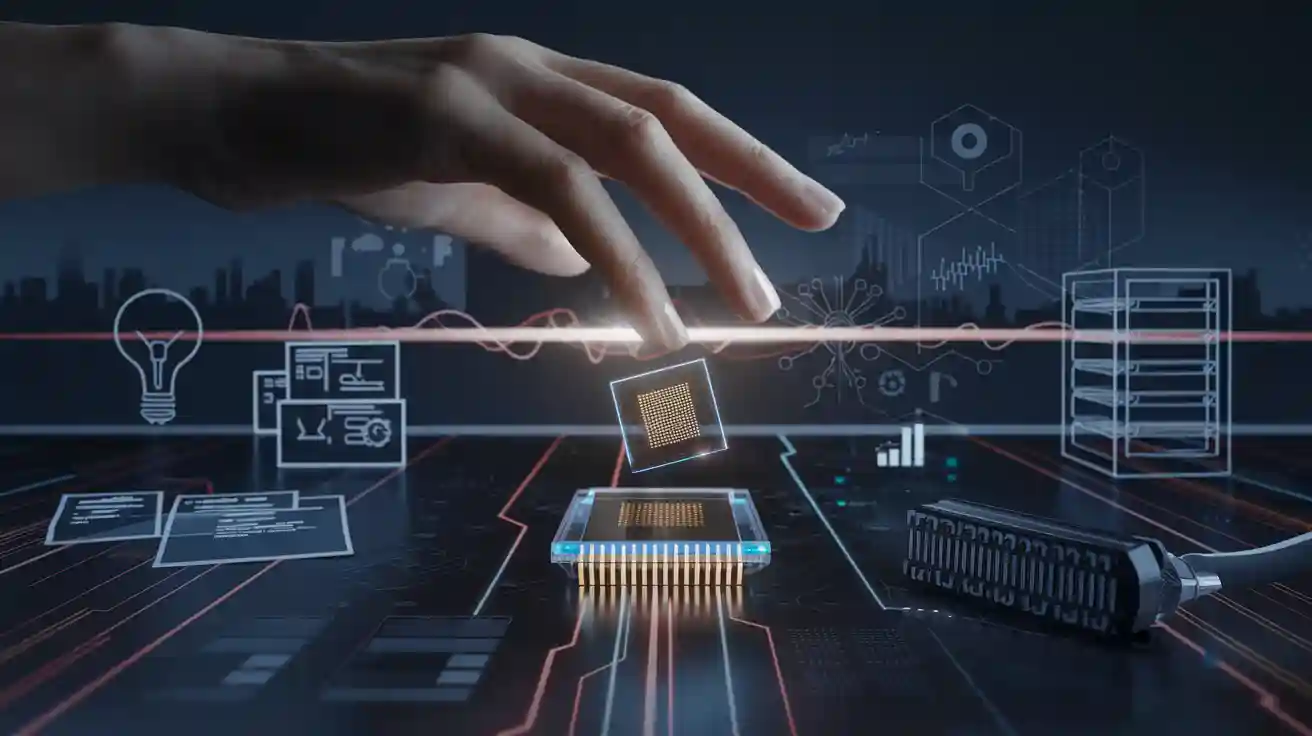
A single photonic integrated circuit can now send data very fast. In the past, this speed needed many big machines. Photonic integrated circuits use light, not electricity. This helps them move information faster and use less energy. These circuits have changed how people make networks and handle data. Photonic technology is important in many areas, like telecommunications and medicine.
Key Takeaways
-
Photonic integrated circuits use light to move data quickly and use less energy than electronic circuits. Silicon photonics puts many optical parts on one chip. This makes devices smaller, cheaper, and easier to make. PICs are used in telecommunications, data centers, medical devices, and new areas like quantum computing and virtual reality. Companies and research groups worked together to solve early problems and help the photonic market grow. New materials and 3D designs will make photonic circuits faster and stronger. These changes will bring new ideas in technology.
Photonic Integrated Circuits Overview
What Are PICs
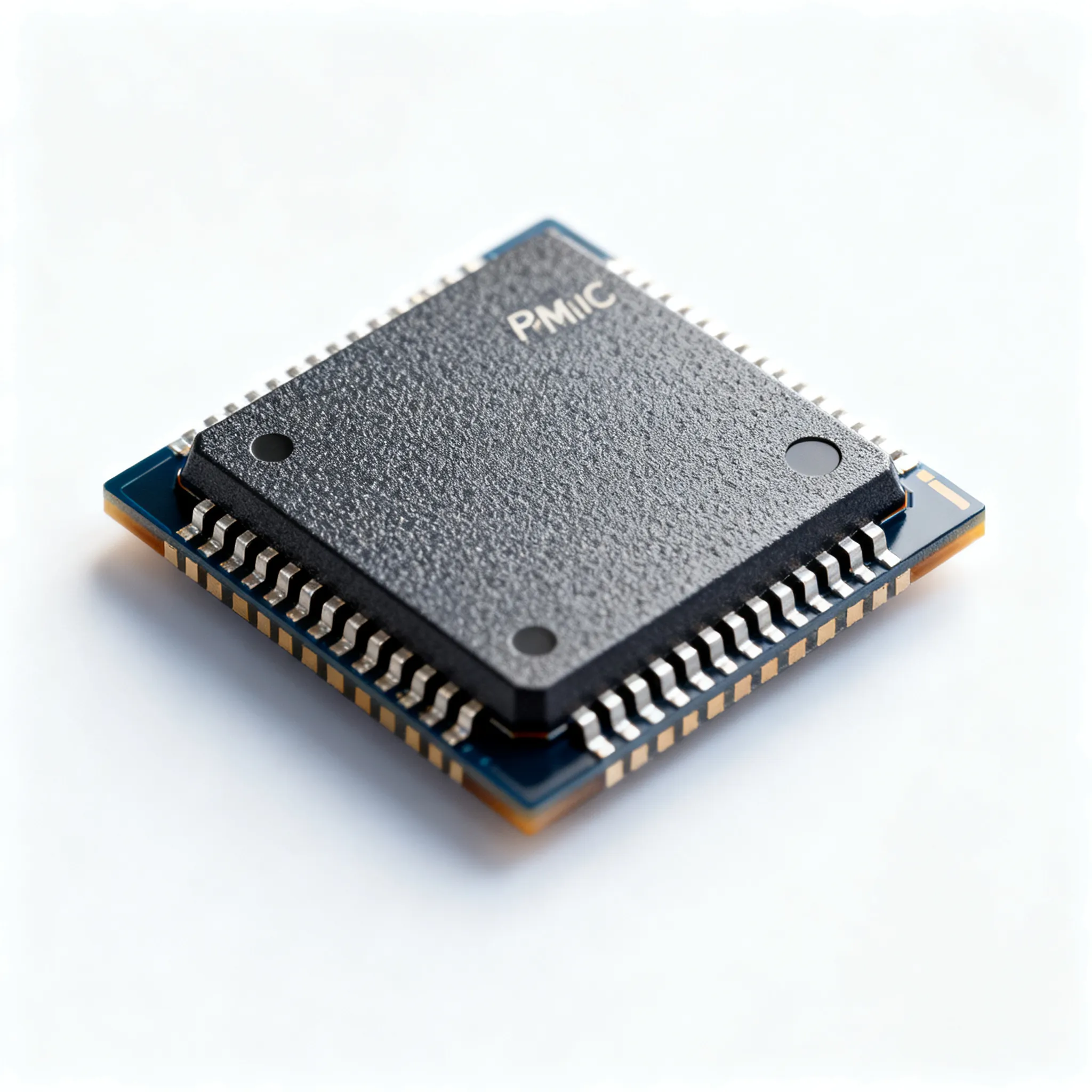
Photonic integrated circuits, or PICs, are special chips that use light to send and handle information. Regular electronic circuits use electrons, but PICs use photons instead. This change lets data move faster and saves energy. Many things we use today, like fast internet routers and some medical machines, need this technology.
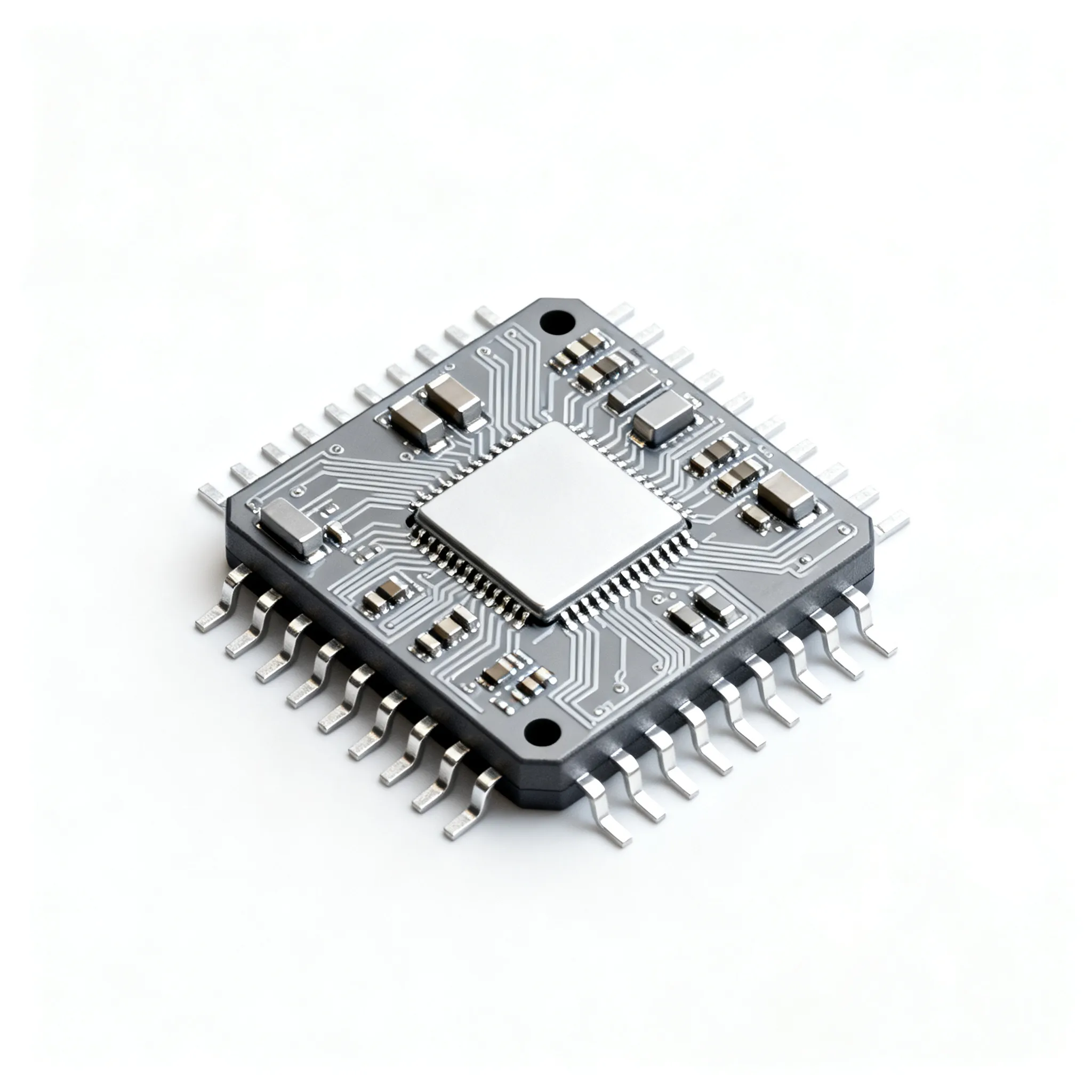
PICs put many optical parts together on one chip. These parts help guide, control, and find light signals. The table below lists the main parts of photonic integrated circuits and what they do:
|
Component Type |
Examples |
Role / Operating Principle |
|---|---|---|
|
Active Components |
Lasers, Detectors |
Make or find light; need outside power. |
|
Passive Components |
Waveguides, Switches, Multiplexers |
Move and direct light by bouncing it inside the chip. |
|
Light Sources |
Lasers, LEDs |
Make photons to send signals. |
|
Waveguides |
Silicon or glass channels |
Keep and steer light inside the chip. |
|
Mirrors and Reflectors |
Reflective coatings |
Change where light goes to control signals. |
Photonic integrated circuits use these parts to make, move, and find light on one chip. This makes optical microchips smaller and work better.
Why Photonics
Photonics has big benefits over electronics in many ways. Light can carry more data and move it faster than electricity. Optical signals also lose less energy as they go, so they make less heat and use less power. These good things make photonic circuits great for jobs that need quick and steady data movement.
Optical technology brings new ways to help data centers, phone networks, and sensors. By using light, photonic integrated circuits help systems get faster and work better.
As technology gets better, photonic solutions are taking the place of old electronic ways. This change is shaping how we talk, use computers, and take care of our health.
Historical Evolution

Early Concepts
The idea for photonic integrated circuits started in the late 1960s. Scientists wanted to use light to send information, not electricity. In 1969, researchers talked about putting optical parts on one chip. They learned that light could move faster and carry more data than electrons. This idea helped people think of new ways to make circuits.
In 1970, the diode laser was invented. This small tool could make light on a chip. Engineers now had a way to make and control light signals. The diode laser became very important in many optical systems. It showed people why photonic technology was useful.
Key Milestones
It took many steps to go from an idea to real devices. Each step brought something new. Here is a timeline of big events:
-
1969: Scientists shared the idea of photonic integrated circuits.
-
1970: The diode laser let people make light on a chip.
-
1980s: Researchers used silicon for photonic devices. They saw silicon could guide light well and work with chip tools.
-
1987: The first working photonic integrated circuit was made. It put many optical parts on one chip.
-
2005: The industry split design from making chips. This let more companies make silicon photonics products.
Note: Each step built on the one before it. The field grew as scientists learned more about using silicon and light together.
Microelectronics helped a lot. Chip makers used what they knew about silicon to make better photonic devices. They took ideas from electronic circuits and used them for optical systems. This helped things move faster.
Silicon Photonics
Silicon photonics became the main way to make new optical chips. This field uses silicon to guide and control light on a chip. Silicon is good because it is cheap, easy to shape, and used in electronics. Engineers can put both electronic and photonic parts on the same silicon wafer.
In the 1980s, real work began in silicon photonics. Researchers found silicon could guide light like a waveguide. They made simple devices that moved light through tiny silicon paths. Over time, these devices got more advanced.
By the early 2000s, silicon photonics grew quickly. Companies started making silicon photonic devices for real use. They used the same tools as the microelectronics industry. This made it easier to make lots of chips.
A big change happened in 2005. The industry split the design of silicon photonics from making the chips. This let more people join the field. Design groups could work on new ideas. Factories could focus on building chips. This was like what worked in electronics.
Today, silicon photonics is used in many important systems. Data centers use silicon photonic devices to move data fast. Telecom networks use silicon chips to send signals far. Medical tools use silicon photonics for quick and accurate sensing.
The table below shows how silicon photonics is different from older optical technologies:
|
Feature |
Traditional Optical Devices |
Silicon Photonics |
|---|---|---|
|
Material |
Glass, III-V semiconductors |
Silicon |
|
Manufacturing |
Custom, small scale |
Mass production |
|
Integration |
Limited |
High (many parts on chip) |
|
Cost |
High |
Lower |
|
Compatibility |
Poor with electronics |
Excellent |
Silicon photonics keeps growing. New research brings better materials and new ways to use light. The field now helps people make fast, energy-saving circuits for many uses.
Commercialization
Overcoming Barriers
Researchers had many problems making photonic integrated circuits for real use. Early devices cost a lot and did not fit with old systems. Engineers had to find ways to make lots of these circuits. They also needed to connect them to electronic chips. Using silicon made this easier. Silicon let companies use the same tools as electronics makers. This made the circuits cheaper and better. Standard rules helped too. Groups like AIM Photonics made rules for design and testing. These steps helped new companies join the market.
Industry Collaboration
Many companies and research groups worked together to move faster. They shared ideas and made new tools for photonic chips. AIM Photonics was very important. This group brought experts from schools, companies, and the government. They worked to make silicon photonics better and cheaper. Teamwork helped them fix problems quickly. They also made training for new workers. Working together helped the whole market grow.
Note: When groups worked together, they made new things faster and better.
Market Expansion
The market for photonic integrated circuits grew fast. Telecom companies used these chips to send more data far away. Data centers used silicon photonics to move data quickly and save energy. Defense and medical fields found new ways to use these circuits. More industries joined, so the market got bigger and had more choices. Companies now make many products, like fast internet and smart sensors. Using silicon keeps growing and helps the market reach more people.
Applications of Photonic Integrated Circuits

Photonic integrated circuits have changed many industries. These circuits use light to move and handle data. They help systems work faster and use less energy. The main uses are in telecommunications, data centers, sensing and biomedical, and new areas like quantum and VR.
Telecommunications
Telecommunications companies use these circuits to make communication better. They help send lots of data over long distances. These circuits support fast data and more bandwidth. Transceivers use light to carry signals. This way, there is more bandwidth and less signal loss.
For example, fiber optic networks use photonic transceivers to link cities and countries. These networks can handle more calls and internet than old copper wires. Using these circuits makes video calls clearer and internet faster. Many companies need these circuits to keep up with more data.
Photonic integrated circuits help people talk, share videos, and send messages everywhere.
Data Centers
Data centers store and move huge amounts of information. These circuits help data centers work better. They use optical transceivers to move data between servers fast. This process makes less heat and saves energy.
A modern data center might use thousands of transceivers for data. These circuits allow fast connections and help cloud computing. With photonic technology, data centers can grow without using more power. This makes them more efficient and reliable.
-
Photonic integrated circuits in data centers:
-
Make data move faster between computers
-
Use less energy
-
Let more people use them at once
-
Sensing and Biomedical
Medical devices and sensors also use these circuits. They help doctors see inside the body and find sickness early. Optical sensors can check blood flow, look for cancer, or track heartbeats.
Hospitals use photonic systems for quick and correct tests. For example, a scanner might use light to look at tissues without surgery. This way is safer and gives results faster. These circuits also help make small sensors for home health checks.
Note: Photonic technology in medicine gives better care and faster results for patients.
Quantum and VR
New fields like quantum computing and VR need fast and steady systems. These circuits are very important here. Quantum computers use light to handle information in new ways. These systems need careful control of photons for safe data.
In VR, these circuits help make clear images and quick responses. They give wide bandwidth and low delay, so virtual worlds feel real. Companies use these circuits to make better headsets and screens.
|
Application Area |
Example Use Case |
Benefit |
|---|---|---|
|
Telecommunications |
Fiber optic networks |
Faster, clearer communication |
|
Data Centers |
Server interconnects |
High-speed data transfer, energy saving |
|
Sensing & Biomedical |
Medical imaging, health sensors |
Early diagnosis, non-invasive tests |
|
Quantum & VR |
Quantum computers, VR headsets |
Secure data, immersive experiences |
Photonic integrated circuit uses keep growing. They help fix problems in communication, data, and sensing. As technology gets better, these circuits will help even more systems and industries.
Challenges and Advances
Materials and Integration
Engineers have many problems when making photonic integrated circuits. The materials they pick are very important for how well the circuits work. Silicon is the main material used in most devices. It helps make waveguides that guide light on the chip. Silicon photonics uses these waveguides to move light with little loss. But silicon cannot do every job. Some strong optical parts need other materials. For example, lasers often use something besides silicon. Mixing these materials with silicon needs careful planning. This helps the circuits work better and last longer. Scientists keep trying new materials to make better circuits.
Packaging and Testing
Packaging keeps photonic circuits safe from dust, heat, and harm. It also links the chip to other systems. Engineers must make sure packaging does not block light or lose signals. Testing checks if the circuits work the right way. Good testing finds problems early. This makes the circuits work better in real life. Silicon photonics needs special tools for packaging and testing. These tools help the circuits stay strong over time. Companies want to make packaging cheaper and better. They also try to make testing quicker and simpler.
Note: Good packaging and testing help photonic integrated circuits work well in many places.
3D PICs
Three-dimensional photonic integrated circuits, called 3D PICs, are a new step. These circuits stack layers of silicon and other materials. This lets more waveguides and devices fit in a small space. 3D PICs help send more data and make circuits stronger. They also help build complex systems with many jobs on one chip. Silicon photonics uses 3D designs to make circuits smaller and stronger. Scientists are looking for new ways to build and join these layers. Engineers think 3D PICs will be very important for future data and communication systems.
|
Challenge Area |
Key Focus |
Impact on Reliability |
|---|---|---|
|
Materials |
Silicon, integration |
Better performance |
|
Packaging |
Protection, connections |
Higher reliability |
|
3D PICs |
Layer stacking, density |
Improved reliability |
Future Trends
Next-Gen Materials
Scientists are still looking for better materials for photonic integrated circuits. New materials can help these circuits move data faster and use less energy. The table below lists some top materials and what they do:
|
Material |
Key Properties & Advantages |
Challenges & Limitations |
Applications & Market Outlook |
|---|---|---|---|
|
Indium Phosphide (InP) |
Good performance, cost savings, works well with silicon |
Hard to fully combine with silicon, some integration issues |
Expected to grow in market share, especially for higher speeds |
|
Thin Film Lithium Niobate (TFLN) |
Low loss, strong electro-optical effect, good for fast modulation |
Not fully ready for mass production, needs other materials for light sources |
Useful for quantum systems and high-speed transceivers, growing market |
|
Barium Titanite (BTO) |
Very strong modulation, best for quantum systems |
Higher losses, hard to scale, lacks open design tools |
Long-term potential, best for quantum photonics |
|
Silicon-on-Insulator (SOI) |
Main platform now, strong presence in silicon photonics |
Slower modulation than new materials, shrinking share |
Still leads the market, driven by AI and programmable photonics |
Silicon photonics will keep using silicon-on-insulator. But new materials like InP and TFLN will help circuits get faster and work better. These changes will bring new markets and more advanced uses.
New Applications
In the future, photonic integrated circuits will have more uses. As silicon photonics gets better, people will find new ways to use these chips. Some possible uses are:
-
Artificial Intelligence (AI): Faster data will help AI learn and work better.
-
Quantum Computing: New materials will help make safer data and new computers.
-
Healthcare: Smaller sensors will help doctors find health problems sooner.
-
Immersive Technology: More bandwidth will make virtual and augmented reality feel real.
Photonic integrated circuits will help fix problems in data, health, and communication. The market will get bigger as more companies use these new ideas.
Ongoing Research
Many top labs and companies are leading research in silicon photonics and other platforms. Sandia National Laboratories is known for its work with indium phosphide and silicon photonics. Their teams work on better lasers, modulators, and detectors. They also try new ways to grow crystals and change how light moves in silicon.
The table below shows some main research areas and leaders:
|
Research Area |
Description |
|---|---|
|
Institution |
Sandia National Laboratories |
|
Platforms |
Indium Phosphide (InP), Silicon Photonics |
|
InP Focus |
Lasers, modulators, amplifiers, detectors, waveguides, advanced crystal growth, band-gap tuning |
|
Silicon Photonics |
CMOS-based process, many passive and active parts, waveguides, modulators, phase shifters, detectors |
|
Collaboration |
Multi-project wafer runs, design help, custom research, advanced packaging |
|
Leadership |
Over 18 years of research, focus on integration and packaging |
Silicon photonics research will keep growing. Teams will look for new ways to join silicon with other materials. They will also work to make circuits smaller, faster, and more reliable. The market will see more products as research becomes real solutions.
Photonic integrated circuits started as ideas and are now real products. These chips help send data quickly and save energy. Companies and scientists keep finding new uses for PICs.
The future for photonic integration is exciting. New materials and designs will make even better solutions. PICs will help shape technology for a long time.
FAQ
What is a photonic integrated circuit (PIC)?
A photonic integrated circuit uses light to move and handle information. Engineers make these circuits by putting many optical parts, like lasers and detectors, on one small chip.
How do PICs differ from electronic integrated circuits?
PICs use photons, not electrons. This helps them send data faster and use less energy. Electronic circuits use electricity, but photonic circuits use light signals.
Where are photonic integrated circuits used today?
PICs are used in telecommunications, data centers, medical devices, and quantum computing. These circuits help send data fast, make better images, and support new things like virtual reality.
What challenges do engineers face with PICs?
Engineers need to pick the best materials and design strong packaging. They must test each circuit carefully. They also try to mix different materials and make the circuits smaller and stronger.
Will photonic integrated circuits replace electronic circuits?
PICs will not take the place of electronic circuits. They work best when used together. Photonic circuits are good for fast data and long distances. Electronic circuits are better for logic and storage. Most systems use both to work their best.