The Essential Components of IoT: Building Blocks for Connected Intelligence
The Internet of Things (IoT) links billions of devices globally, showcasing the essential components of IoT that create a vast system for sharing data and automating tasks.
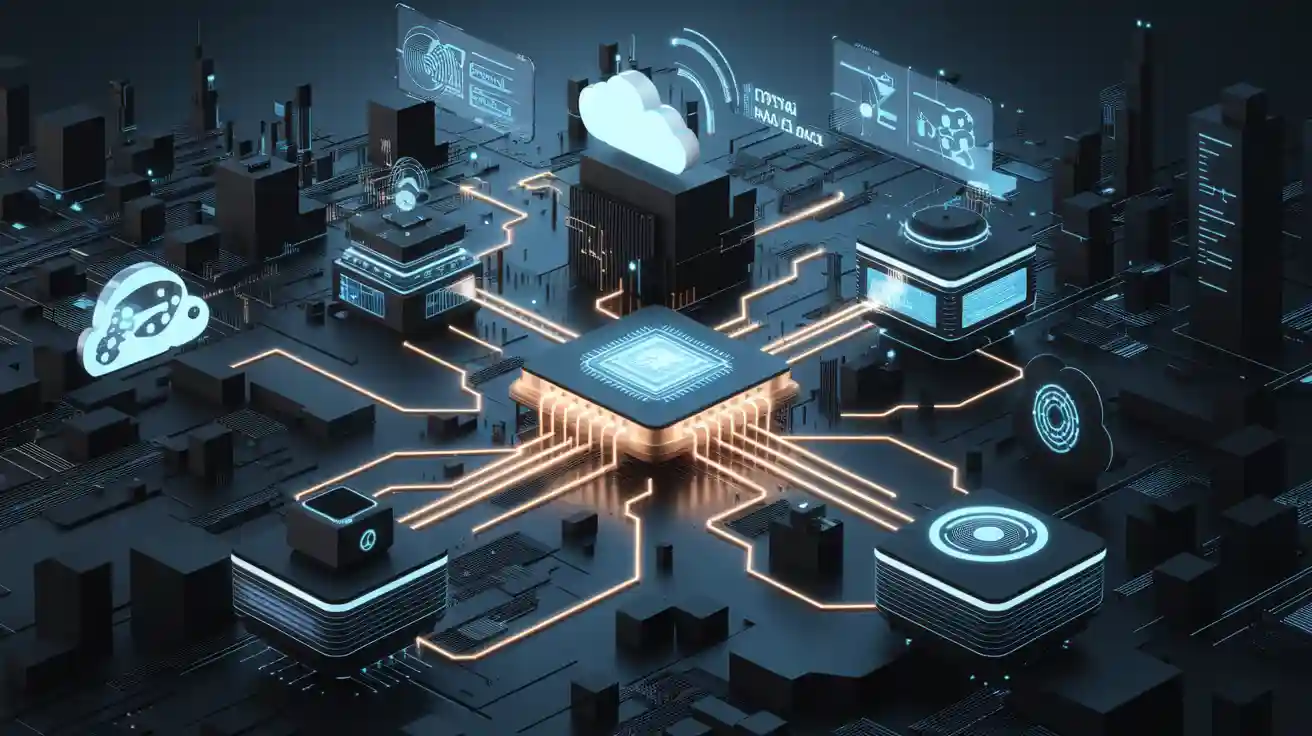
The Internet of Things (IoT) links billions of devices globally, showcasing the essential components of IoT that create a vast system for sharing data and automating tasks. These devices gather information, find patterns, and share ideas to improve processes. Currently, there are over 13 billion IoT devices, and by 2030, this number may reach 25.4 billion, highlighting the growing importance of IoT. You interact with IoT daily, whether through fitness trackers or smart home gadgets. The essential components of IoT, such as sensors, processors, and gateways, enable devices to communicate with each other and make intelligent decisions. Industries like manufacturing and healthcare are evolving due to IoT, as it enhances their efficiency and fosters innovation.
Key Takeaways
-
IoT links many devices, improving work and new ideas in industries.
-
Sensors gather important information, and actuators act using that data.
-
Processors study data fast, helping devices react well and use less power.
-
Connectivity is key for IoT, letting devices talk and share data easily.
-
IoT platforms handle data storage and study, helping better choices and work.
Sensors and Actuators: The Basics of IoT
What Sensors Do in Collecting Data
Sensors are like the eyes and ears of IoT. They collect important details like temperature, pressure, or harmful gases. These small tools gather data instantly, helping fix problems early and improve systems. For example, sensors in machines can spot damage before it causes big issues. The process starts with collecting data, sending it safely to the cloud, and analyzing it. This helps make better choices and improves how devices work together.
How Actuators Work with the Environment
Actuators are like the hands of IoT. They use sensor data to take action. For example, they can turn off machines if sensors find danger or start safety systems in risky areas. Actuators act quickly to keep things running smoothly and safely. They connect digital data to real-world actions, making them key to IoT systems.
Real-Life Uses of Sensors and Actuators in IoT
Sensors and actuators help many industries. Here are some examples:
|
Company |
What They Do |
|---|---|
|
Bosch |
Uses sensors in tools to track supplies and boost worker happiness. |
|
John Deere |
Uses self-driving tractors with GPS to make farming safer and faster. |
|
North Star BlueScope Steel |
Uses wearables to check worker safety and spot dangers in steel factories. |
|
DHL |
Tracks vaccine conditions with sensors to stop spoilage during shipping. |
These examples show how sensors and actuators are key to IoT. Whether tracking supplies, protecting vaccines, or helping farms, they make devices smarter and more useful.
Processors: Powering Data Analysis in IoT
Data Processing and Analysis
Processors are like the brain of IoT devices. They help gadgets understand and use data. Tasks include sorting, cleaning, and studying sensor data. For instance, a smart thermostat uses processors to adjust room temperature. This happens when sensors notice changes in heat or cold. Good data processing keeps devices working fast and smoothly.
Saving energy is very important for IoT processors. Many devices work far from power sources. Energy-saving processors help these devices last longer by using less power. This is especially useful in farming or nature tracking, where power is limited.
Edge Computing vs. Cloud Computing
IoT systems process data in two main ways: edge computing and cloud computing. Each method has its own benefits:
-
Edge Computing:
-
Handles data nearby, making devices respond faster.
-
Great for quick actions, like in self-driving cars.
-
Keeps data safer by storing it close to its source.
-
-
Cloud Computing:
-
Offers lots of space for storing and studying data.
-
Best for big tasks, like predicting machine problems.
-
Can be slower and cost more due to data transfers.
-
|
Aspect |
Edge Computing |
Cloud Computing |
|---|---|---|
|
Latency |
Faster response, less network delay |
Slower due to data travel |
|
Scalability |
Limited by local tools |
Grows easily with cloud resources |
|
Operating Costs |
Cheaper to run |
Costs more for cloud services |
|
Security |
Safer with local data storage |
Riskier with remote data storage |
|
Use Cases |
Best for quick decisions |
Best for big data tasks |
Edge computing is great for instant actions. Cloud computing works better for handling large amounts of data.
Examples of IoT Processors and Their Applications
IoT processors are used in many ways, showing their flexibility:
-
Raspberry Pi: Helps in car factories to check work in real time.
-
ARM Processors: Known for saving energy and running smart tasks.
-
RISC-V Processors: A cheaper option that is flexible and powerful.
Tests like IoTBench and IoTST compare how well these processors work. IoTBench looks at ARM and RISC-V for different data tasks. IoTST studies how they handle communication in IoT networks.
Processors are a key part of IoT systems. They let devices do hard jobs quickly and well. Whether for fast data checks or big cloud tasks, processors make IoT smarter and more connected.
Connectivity: The Backbone of IoT Communication
Connectivity is what helps IoT devices talk to each other. It lets them share data and work together. Without strong connectivity, IoT systems wouldn't work properly.
Communication Protocols (Wi-Fi, Bluetooth, Zigbee, etc.)
Communication protocols are like languages for IoT devices. They help devices send and receive data. Each protocol works best for certain tasks:
-
Wi-Fi: Great for fast data sharing in homes or offices. It handles streaming and big files well.
-
Bluetooth: Best for short distances, like linking fitness trackers to phones.
-
Zigbee: Good for low-power tasks like smart lights or home gadgets.
These protocols make sure devices can connect and work smoothly. Picking the right one depends on the data type and where devices are used.
Role of Networks in IoT (Cellular, LPWAN, etc.)
Networks are the systems that support IoT connections. Different networks fit different IoT needs:
-
Cellular Networks: Cover large areas and offer fast connections. They work well for cars or remote monitoring.
-
LPWAN (Low-Power Wide-Area Networks): Use little energy and reach far. They're great for farming or tracking nature.
Good networks make IoT faster and more reliable. They help devices get data quickly and avoid delays. For example, 5G networks will improve IoT by connecting many devices with fast speeds and low delays.
Examples of Connectivity in Real-World IoT Systems
Connectivity is important in real-life IoT uses:
-
Smart Factory Automation: Sensors check machines, and data predicts repairs.
-
Connected Vehicle Fleet Management: GPS helps plan routes and track vehicles.
-
Smart Building Energy Management: Sensors watch conditions, and systems save energy.
These examples show how connectivity helps IoT give quick updates, fix problems, and link with other tools. Strong connections keep systems running well and reduce downtime.
Gateways: Connecting Devices and Networks
Gateways are important in IoT. They link devices to networks. This helps them share data and work together easily. Gateways let devices with different communication methods connect and cooperate.
Managing and Simplifying Data
Gateways make IoT systems simpler by organizing and changing data. For example:
-
They gather data from sensors using Zigbee or Bluetooth. Then, they change it into one format.
-
They remove extra or useless information to send less data to the cloud.
-
They mix data from many devices to save space and use less bandwidth.
|
Task |
What It Does |
|---|---|
|
Protocol Conversion |
Changes data from different device types into one format. |
|
Data Cleanup |
Gets rid of unneeded data for better efficiency. |
|
Data Combination |
Joins data from many devices for easier processing. |
These steps help IoT systems run smoothly and reliably.
Keeping Systems Safe and Reliable
Gateways protect IoT systems by keeping data safe. They use security rules to stop hackers from stealing information. Lightweight security tools work well for devices with limited power. For example, gateways can block attacks like Mirai Botnet, which used weak passwords. Strong security keeps data safe and systems working well.
Gateways also help with edge computing. This means data is processed near its source. It makes systems faster and uses less bandwidth. Gateways keep devices connected to the cloud, ensuring smooth communication.
Real-Life Uses of Gateways
Gateways are used in many IoT systems:
-
Smart Metering: Energy companies use gateways to track electricity use and fix problems early.
-
Asset Monitoring: Gateways collect sensor data to check equipment health and avoid downtime.
-
Grid Optimization: Gateways help power grids use renewable energy and work more efficiently.
These examples show how gateways connect devices and networks. They make IoT systems work better and share data reliably.
Platforms: Managing IoT Ecosystems
Data Storage and Analytics
IoT platforms help store and study data. They collect, sort, and analyze information from sensors and devices. These platforms make sure even big systems work well. For example, public cloud services store and process data quickly. This helps businesses make better choices and improve their work.
|
Insight |
Details |
|---|---|
|
Market Growth |
Services may grow over 14% yearly from 2025 to 2030. |
|
Public Cloud Share |
Public cloud led the market in 2024. |
|
Data Management Needs |
Real-time data storage and safety are key benefits. |
Platforms also cut costs and shrink data size. Studies show systems like SRHIP lower costs by 40.10% and reduce data size by 60%. These changes make IoT software cheaper and easier to use.
|
Metric |
SRHIP System Improvement |
Comparison System |
|---|---|---|
|
Transmission Cost Reduction |
40.10% |
SPPDA |
|
Data Size Reduction |
60% |
Other Benchmark |
|
Compromised Bytes Reduction |
100% |
GCEDA |
Examples of IoT Platforms and Their Benefits
IoT platforms help in many ways. They save money, improve safety, and make work faster. Here are some examples:
-
Asset tracking shows where items are in real time.
-
Predictive tools stop machines from breaking down.
-
Automated systems make factories run better.
Other uses include:
-
Watching tank levels in factories.
-
Finding gas leaks in oil and gas plants.
-
Saving energy in city lights.
-
Tracking goods during shipping.
HiSilicon offers strong IoT tools for many industries. Learn more about them at HiSilicon Solutions.
Role in Streamlining IoT Operations
IoT platforms connect data from different systems. They process data quickly, lower delays, and improve safety. For example, edge computing handles data nearby, making systems faster and safer.
|
Benchmark Study |
Focus Area |
Description |
|---|---|---|
|
TPCx-IoT |
IoT Gateways |
Tests how well IoT gateways work. |
|
RIoTBench |
Stream Processing |
Checks how data streams are handled. |
|
OpenIoT |
Data Ingestion & Storage |
Studies how data is stored and collected. |
|
FIWARE |
Application Deployment |
Looks at app setup benefits. |
|
Araujo et al. |
Scalability |
Tests growth for smart city projects. |
Platforms also help farming and cities grow smarter. They keep systems working well as data increases. Using platforms makes managing IoT easier and opens doors for new ideas.
Applications: Real-World Use Cases of IoT
Smart Homes and Cities
IoT is changing how we live and interact daily. In smart homes, devices like thermostats and cameras make life easier. For example, a smart thermostat changes the temperature to save energy and money.
In cities, IoT improves how things work and saves resources. Traffic systems use live data to reduce jams and make roads safer. Smart grids share energy better and use renewable sources. Trash bins with sensors alert workers when they are full, making waste collection faster.
|
Application |
What It Does |
|---|---|
|
Devices gather live data to help plan and make decisions. |
|
|
Connectivity and Communication |
Linked systems improve how cities run and respond to needs. |
|
Automation and Efficiency |
IoT automates tasks, saving resources and cutting costs. |
These changes make life better, support the environment, and attract new ideas and businesses.
Industrial IoT (IIoT)
IIoT is helping industries work faster and avoid delays. In factories, sensors check machines to stop problems early. For example, Bosch uses AI and IoT to find issues before they happen, saving time and money. John Deere uses smart tractors to make farming easier and faster.
|
Company |
Industry |
IIoT Use |
Impact |
|---|---|---|---|
|
Bosch |
Manufacturing |
AI and IoT for machine checks |
Fewer breakdowns and longer machine life with live data. |
|
John Deere |
Agriculture |
Self-driving tractors with IoT |
Better farming and less downtime with smart tools. |
|
Amazon |
Retail |
Robots in warehouses connected by IoT |
Faster work and lower costs in shipping and storage. |
In shipping, IoT sensors track packages to prevent loss or theft. These examples show how IIoT makes industries smarter and more efficient.
Healthcare and Wearable Devices
IoT is improving healthcare by helping doctors monitor patients from far away. Wearable devices like fitness bands track heart rates and activity. Hospitals use this data to check on patients without needing long hospital stays.
For example, heart monitors find irregular beats, and glucose monitors help manage diabetes. These tools are also used in medical studies for heart and diabetes care. They give important health details, making treatments faster and more personal.
IoT also helps with medical equipment. Smart defibrillators send alerts if they need repairs, ensuring they work during emergencies. These tools show how IoT is making healthcare better and saving lives.
IoT links devices to build smarter systems for homes and industries. Sensors, processors, gateways, and platforms gather and share data. Together, they create the foundation of connected technology.
-
IoT helps factories, farms, and shipping work faster with automation.
-
It saves energy and cuts waste in smart cities and farming.
-
In construction, IoT improves resource use, showing strong positive results (r = 0.932, p < 0.001).
IoT's future is exciting. AI, 5G, and digital twins will improve tools and management. These advancements can help create a smarter, more connected world.
FAQ
What is IoT, and why does it matter?
IoT means the Internet of Things. It links devices to share data and do tasks automatically. You use IoT daily, like with smart gadgets or fitness trackers. It helps save time, energy, and boosts new ideas in industries.
How do sensors and actuators work in IoT?
Sensors gather information, like heat or movement. Actuators use this data to take action, like turning off machines or changing lights. Together, they make smart systems that react to their surroundings.
Why is edge computing better for IoT than cloud computing?
Edge computing handles data close to where it’s made. It works faster and keeps data safer. It’s great for quick actions, like in self-driving cars or factories. Cloud computing is better for big tasks but can be slower.
How does IoT help healthcare?
IoT uses wearable gadgets to track health, like heartbeats or sugar levels. Doctors use this data to check patients from far away and give better care. It also keeps medical tools working well, making healthcare safer.
Can IoT make cities smarter?
Yes! IoT improves traffic, energy use, and trash collection. Sensors gather live data to cut jams, save power, and make services better. You’ll see safer streets, cleaner places, and smoother city systems.