PMICs Revolutionizing Battery Life in Modern Electronic Devices
You see PMICs revolutionizing how electronics use energy. These small chips help your battery last longer. When you use battery-powered devices, PMIC technology saves power and stops waste.
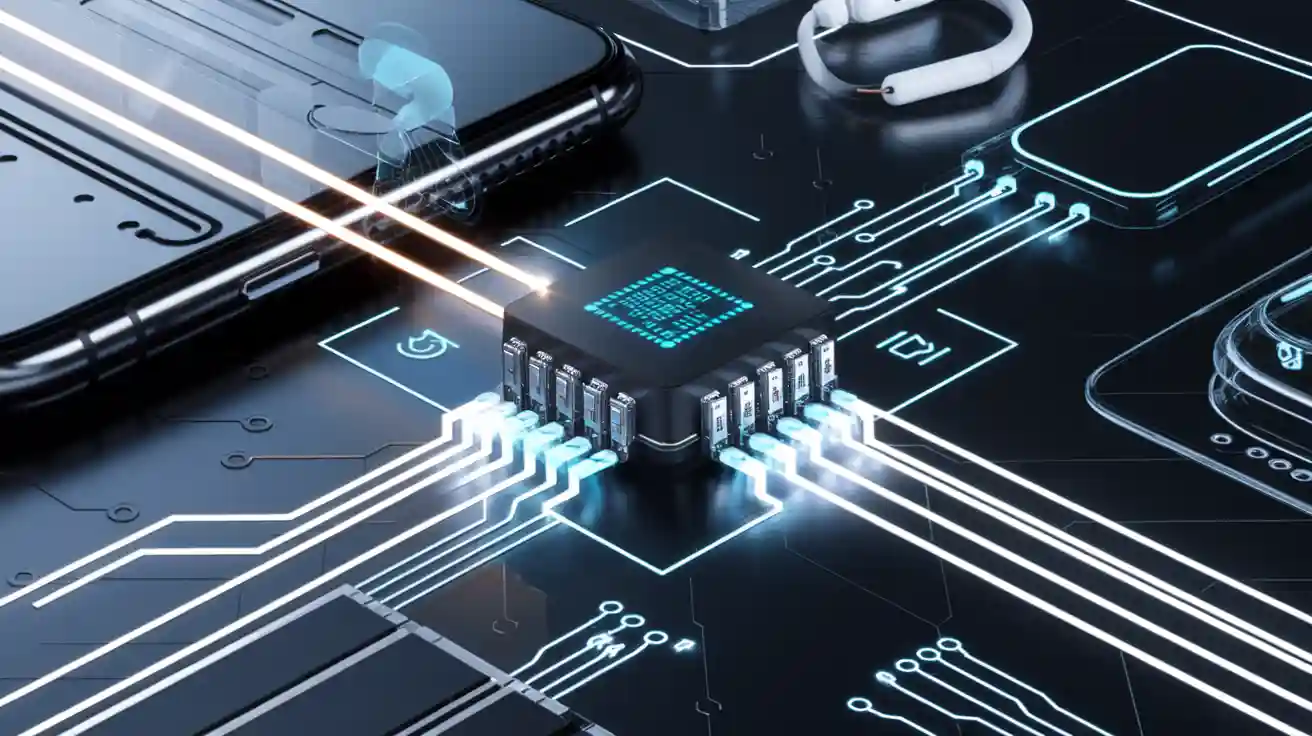
You see PMICs revolutionizing how electronics use energy. These small chips help your battery last longer. When you use battery-powered devices, PMIC technology saves power and stops waste. Phones, electric cars, and other gadgets rely on PMICs to work better. You get longer battery life and help the planet. In many devices, PMICs make sure your electronics use power wisely.
PMICs revolutionizing electronics help you use every charge well.
Key Takeaways
-
PMICs help devices use power in a smart way. This makes batteries last longer and keeps electronics safe. Adaptive power optimization helps devices save energy. It changes power use based on what is needed. This improves battery life and performance. PMICs protect batteries by controlling charging. They stop damage, so devices stay safe and last longer. Advanced PMIC designs save space and lower heat. They make devices more reliable and efficient. Picking devices with good PMICs means longer battery life. You get better performance and less harm to the environment.
PMICs Revolutionizing Power Efficiency
Core Functions of PMIC
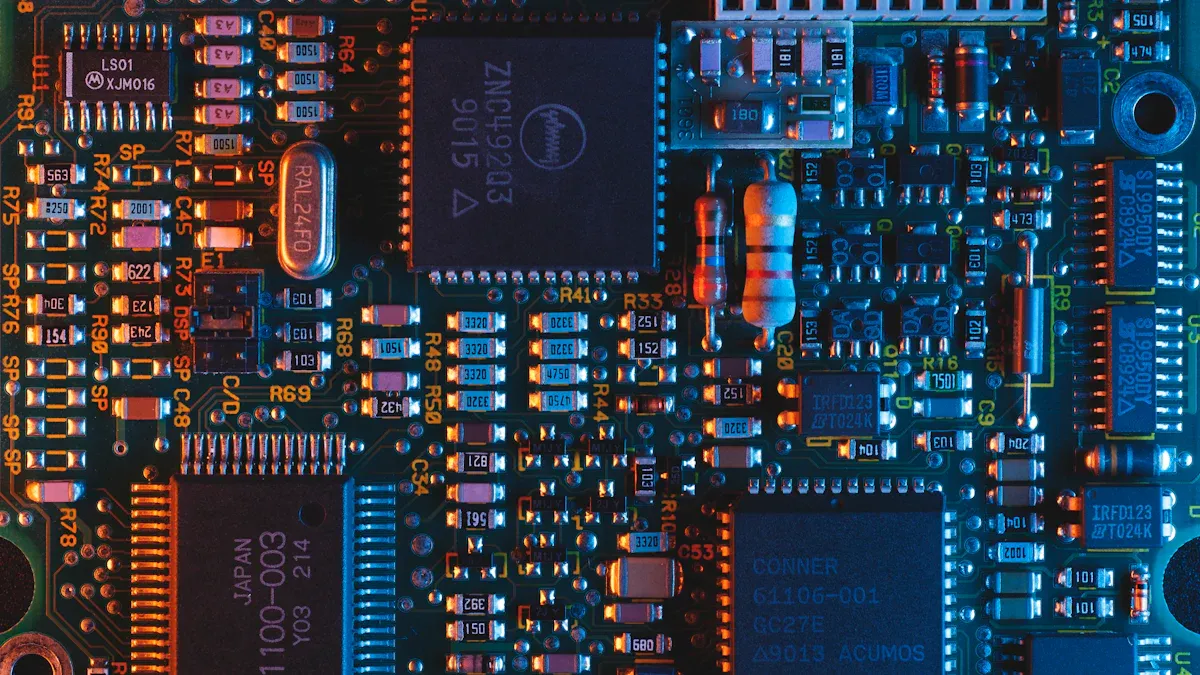
You use power management integrated circuits every day, even if you do not see them. These chips help your electronics use energy in a smart way. They make your devices last longer and keep them cool. Power management ICs do many jobs. They send power, control voltage, and protect against short circuits. You find these features in phones, wearables, and electric cars.
Power management integrated circuits give each part of your device the right amount of energy. They save power by turning off parts that are not being used. This helps you get more from every battery charge. PMICs revolutionizing battery life means you can use your phone or tablet for a long time without worrying about the battery. Smart power management also keeps your electronics safe from damage when voltage changes suddenly.
Tip: If you pick devices with advanced power management ICs, you get longer battery life and better performance.
Adaptive Power Optimization
You get help from adaptive power optimization every time you use your mobile devices. Power management integrated circuits use smart power management to change energy use based on what your device needs. This dynamic power management saves energy when it can and gives more power when needed.
Here is a table that shows some adaptive power optimization techniques and real-world examples:
|
Adaptive Power Optimization Technique |
Description |
Real-World Application / Example |
|---|---|---|
|
Dynamic Voltage and Frequency Scaling (DVFS) |
Changes voltage and frequency based on what the system needs to save power but keep performance. |
Infineon's TRAVEO T2G automotive microcontrollers work with voltage from 2.7V to 5.5V. |
|
Advanced Battery Management |
Uses smart charging, low-dropout regulators, and very low-power sleep modes to make batteries last longer and use less current. |
Nordic's 315mA charging and ultra-low-power sleep modes lower system current to nanoamps. |
|
Multi-Rail Power Sequencing |
Controls many power rails with good timing to start up and shut down systems right, which lowers stress on parts. |
NXP PCA9420 has programmable power states and flexible rail sequencing for IoT and industrial automation. |
|
Maximum Power Point Tracking (MPPT) Algorithm |
Always works to get the most power from things like light or movement, with fast changes to get the best energy. |
Nexperia's NEH71x0 energy harvesting PMIC can adapt in 0.5 seconds and start from just 15μW of ambient energy. |
These energy-saving solutions help your devices use less energy but still work well. You notice longer battery life and less heat. PMICs revolutionizing power efficiency means your mobile and wearable devices can last all day, even if you use them a lot. Power management integrated circuits also help with energy harvesting, so some devices can run on light or movement alone.
Power Switching and Regulation
Your electronics need steady power to work well. Power management ICs handle power switching and regulation to keep things running smoothly. They switch between power sources, like battery and USB, without you noticing. This smooth change helps your devices avoid sudden shutdowns or problems.
Power management integrated circuits control voltage and current for each part. They use special circuits to raise or lower voltage as needed. This makes things work better and saves energy. You get more reliable devices and longer battery life.
Recent reports show that using PMICs really helps battery life in mobile, wearable, and industrial devices. Features like fast charging, dynamic voltage scaling, and low standby power modes help you use your devices longer. These energy-saving solutions also lower power loss and make devices more reliable.
Note: Power management integrated circuits are very important for dynamic power management. They make sure your electronics always get the right amount of energy.
You see the good things PMICs do for power efficiency in every device you use. From phones to smartwatches, power management ICs help you get longer battery life, better performance, and safer electronics.
Battery Life Impact
Battery Charging and Protection
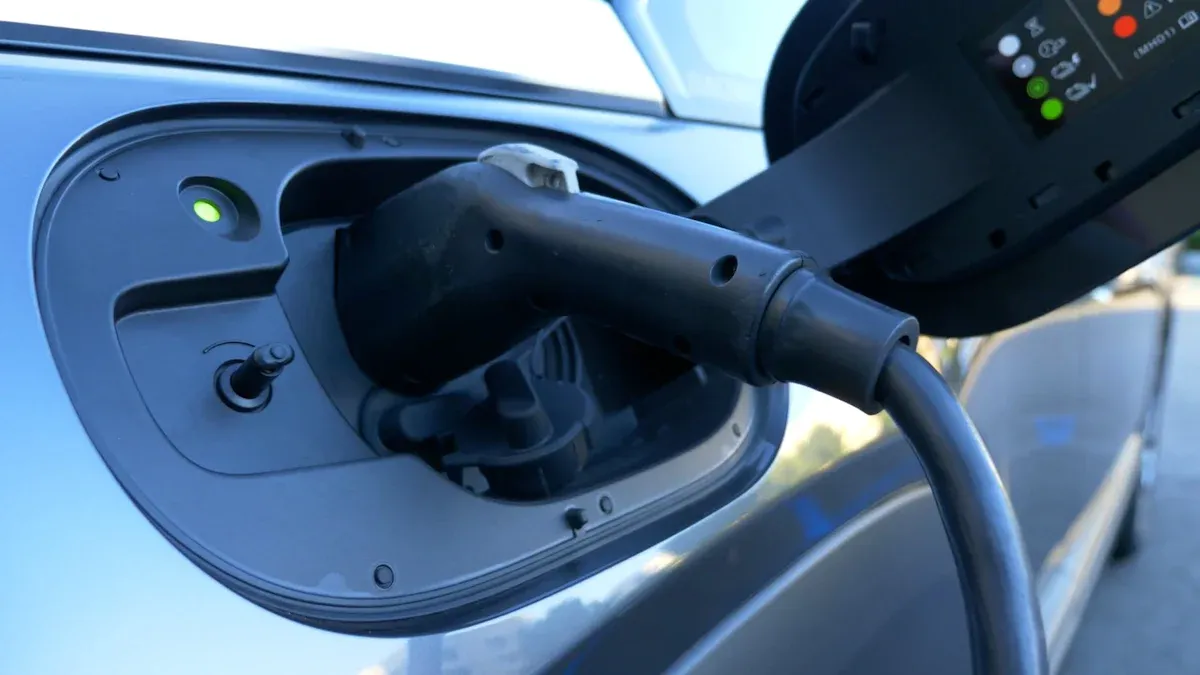
You need safe charging every time you use your devices. PMICs help by controlling how much current goes into your battery. They stop your battery from getting too much charge. This keeps your battery safe and stops damage or danger. PMICs also watch for problems like overheating or short circuits. You feel better knowing your battery is protected.
PMICs help manage your battery in other ways too. They make sure each cell gets the right amount of energy. This helps your battery stay healthy and last longer. You see this in things like smartphones, tablets, and electric vehicles.
Tip: Devices with good battery management give you safer charging and longer battery life.
Ultra-Low Leakage Current
Even when your device is off, some energy can leak out. PMICs use special designs to stop this waste. They keep your battery from losing power when you are not using your device. This means you can leave your phone or watch on standby for days. You do not lose much battery life.
Here is a quick look at how ultra-low leakage current helps:
|
Feature |
Benefit to You |
|---|---|
|
Less standby drain |
More battery life between uses |
|
Cooler operation |
Devices stay safe and last longer |
|
Efficient sleep modes |
Devices wake up ready to use |
You get more time between charges. Your devices stay ready when you need them. PMICs help your battery last longer by stopping small leaks.
Battery Longevity in Devices
You want your devices to work for a long time. PMICs help by protecting your battery when charging and using it. They control how fast your battery charges and how much power your device uses. This keeps your battery from wearing out too soon.
Tests show that smart PMICs help devices keep up to 20% more battery life after a year. You notice your phone or tablet holds a charge better, even after many months. PMICs also help your battery handle more charging cycles before it gets weak.
-
You get:
-
Fewer battery replacements
-
Lower costs over time
-
Less electronic waste
-
Note: Picking devices with advanced PMICs means you get longer battery life and better performance every day.
PMIC Technologies
Power Management IC Integration
There are new ways to make PMICs in today’s electronics. Engineers put parts like inductors and transformers inside the chip. This lets your device use more energy in less space. 3-D packaging stacks parts on top of each other. This saves room and makes devices work better. Monolithic integration puts all the parts together in one chip. This makes electronics stronger and able to handle tough places. These ideas help your device stay cool and last longer. You get better energy use, more power in a small space, and lower prices.
-
Putting passive parts inside saves space and helps energy move better.
-
3-D packaging makes devices stronger and helps them work in hard places.
-
Monolithic integration makes electronics smaller and tougher.
Tip: Devices with advanced PMICs often run faster and stay cool.
Control Algorithms
Smart control algorithms help your electronics every day. These algorithms figure out how much power each part needs. They watch for changes and change energy right away. This keeps your device working well and saves energy. System-level design helps PMICs manage power for things like fast computers and battery care. You get longer battery life and better speed because the PMIC always sends energy where it is needed.
|
Control Feature |
What It Does |
|---|---|
|
Real-time monitoring |
Always checks energy use |
|
Adaptive response |
Changes power when needed |
|
Fault protection |
Stops damage from too much power |
Voltage Scaling
Voltage scaling helps your device use just enough energy. PMICs can lower or raise voltage as your device works. If your device is busy, it gets more power. If it is not busy, it uses less. This saves energy and keeps your device from getting too hot. Voltage scaling also helps new things like gaming phones and smartwatches that need lots of power. You get longer battery life and your device stays healthy.
Note: Voltage scaling is very important for saving energy in your electronics.
Testing and Validation
Reliability Tools
You want your devices to work every time. Engineers use special tools to test PMICs. They check how PMICs handle stress, heat, and long use. These tools see if the chip gives steady power in different temperatures. Some tests shake the device or put it in hot and cold rooms. Others run the PMIC for thousands of cycles to see if it breaks. Careful checks help make electronics safer and more reliable.
Industry Standards
You may not notice, but every PMIC must follow strict rules. These rules come from safety, EMC, and environmental standards. Companies run many tests to follow these rules. They check for electrical safety and make sure the chip does not cause radio noise. They also see if it can survive heat, cold, and bumps.
-
Companies must keep good records:
-
Bills of Materials (BOM)
-
Test reports
-
Risk assessments
-
Change logs
-
If a PMIC passes, it gets labels from groups like FCC, UL, or CE. These labels show the product is safe and legal. When rules change, companies test again and update records. This keeps your devices safe and ready for markets everywhere.
Efficiency Verification
You want your device to use energy wisely. Engineers check how well a PMIC manages power. They measure how much energy it saves and how steady the voltage stays. Special machines watch for waste or heat. If the PMIC passes, you get longer battery life and cooler devices.
A simple table shows what engineers look for:
|
Test Type |
What It Checks |
|---|---|
|
Power Efficiency |
How much energy is saved |
|
Voltage Stability |
Keeps voltage steady |
|
Thermal Testing |
Stops overheating |
Tip: Devices that pass these tests work better and last longer.
You notice PMICs change how your devices use energy. They help your battery last longer and make your device work better. When you pick devices that use less power, you help the Earth. These chips help devices last longer and cut down on battery waste. You do not need to replace batteries as often.
-
Experts think PMICs will become more popular soon. New designs will help AI, electric cars, and smart gadgets.
-
PMICs also help the planet by using fewer materials and letting some devices run on their own power.
You can check for new PMIC features when you buy or design your next device.
FAQ
What does a PMIC do in my device?
A PMIC manages how your device uses power. It controls charging, protects the battery, and helps your device last longer. You get better performance and longer battery life.
How can a PMIC help my battery last longer?
You get longer battery life because a PMIC reduces wasted energy. It turns off parts you do not use and keeps your battery safe during charging. This helps your device run longer between charges.
Are PMICs only for phones and tablets?
No, you find PMICs in many devices. You see them in smartwatches, laptops, electric cars, and even medical equipment. PMICs help any device that needs smart power control.
Can a PMIC make my device safer?
Yes! A PMIC protects your device from overheating, short circuits, and overcharging. You get safer charging and less risk of battery damage.
How do I know if my device has a good PMIC?
Tip: Check your device’s specs for features like fast charging, long standby time, or energy-saving modes. These often mean your device uses an advanced PMIC.