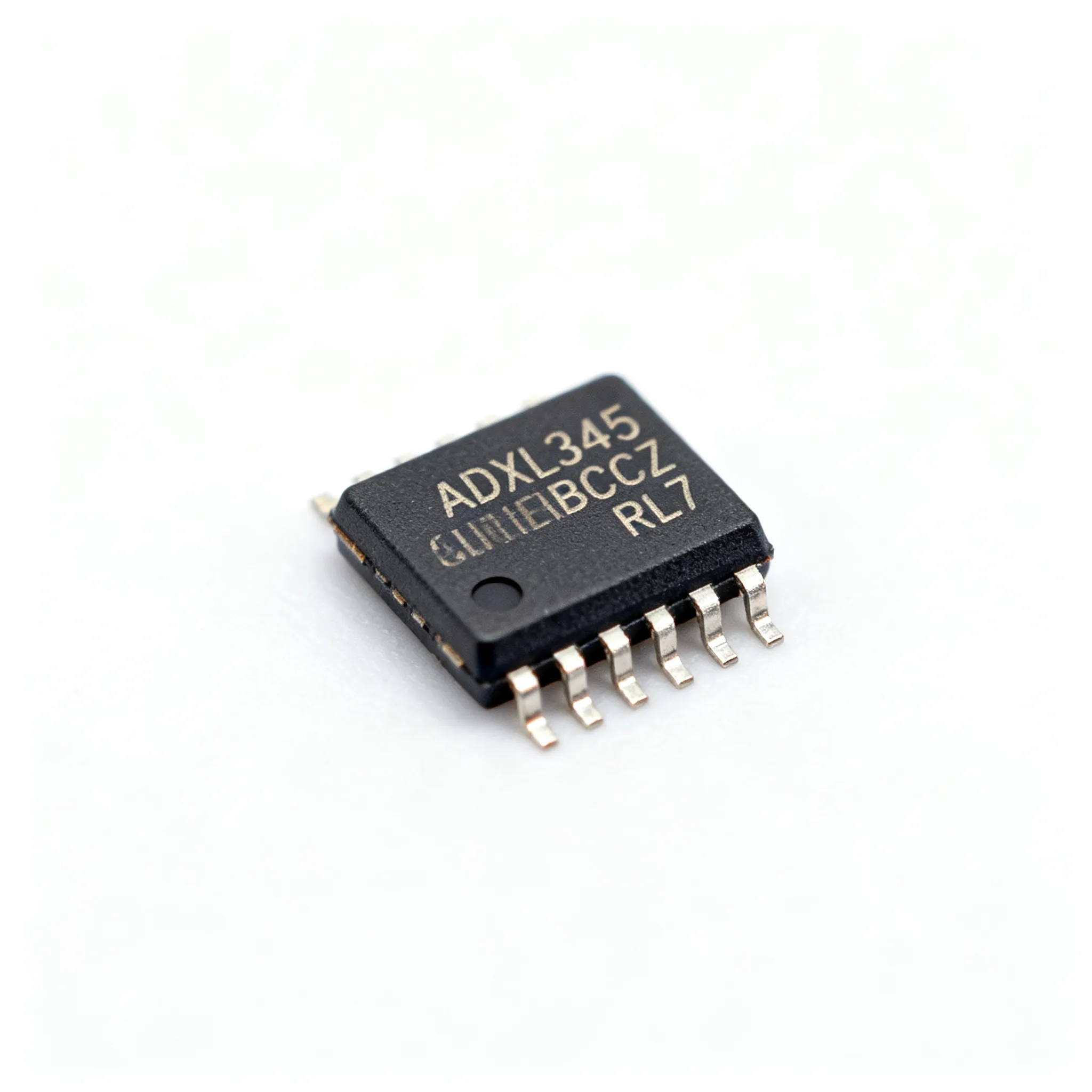
Optimize Procurement of Integrated Circuits to Reduce Costs
Companies that optimize procurement for integrated circuits can save a significant amount of money while effectively managing high production costs.

Companies that optimize procurement for integrated circuits can save a significant amount of money while effectively managing high production costs. Smart strategies like managing inventory and evaluating vendors deliver clear results. For example:
|
Metric |
Improvement |
|---|---|
|
Production Costs |
|
|
Yield Rates |
Improved by 20% |
These steps help companies spend less and operate more efficiently, ensuring circuits are always available. Leveraging digital tools and AI further helps optimize procurement processes, control costs, and achieve better outcomes.
Key Takeaways
-
Pick suppliers you can trust by looking at their quality, new ideas, and how well they work with others. This helps keep costs down and makes sure you always have what you need.
-
Use one main system to handle buying and keeping track of inventory. This helps you make choices faster and have fewer errors.
-
Use the same parts in different products so you can buy more at once. This saves money and makes fixing things easier.
-
Use digital tools and AI to help you buy things faster and smarter. This also helps you spend less money.
-
Plan what you need ahead of time and keep the right amount of inventory. This stops you from running out or spending too much.
Supplier Selection
Evaluate Suppliers
Procurement teams need to check suppliers very carefully. This helps them find reliable and low-cost sources for integrated circuits. They use special measurements called KPIs to see how well suppliers do. These KPIs look at how well suppliers work, how creative they are, how good their research is, and if they get better over time. Teams use tools like Data Envelopment Analysis and the Malmquist Productivity Index. These tools help them compare suppliers to others in the industry. They also help teams see where suppliers can improve.
Note: Social network analysis finds that suppliers with many connections in the integrated circuit industry often do more new things. Help from universities and development zones can make them even better.
It is very important for a supplier to always give good quality products. Companies also check if suppliers can handle new technology and changes. By watching these things, procurement teams pick suppliers who help the company stay strong and avoid problems in the supply chain.
Key Supplier Evaluation Criteria:
-
How well suppliers work and create new things
-
How good their research and development is
-
If they get better over time
-
How they compare to others in the industry
-
How well they connect and work with others
Build Partnerships
Working with suppliers for a long time gives more value than just buying things. Good relationships help people talk openly and solve problems together. When companies and suppliers team up, they can react quickly to changes in the market. This helps them stay strong against other companies.
Procurement teams should check how suppliers are doing all the time. They can use different ways together to guess how suppliers will do in the future and find problems early. Trusting suppliers leads to better deals, lower prices, and more on-time deliveries. Over time, these good partnerships help companies always have enough integrated circuits and grow their business.
Centralize and Standardize Procurement
Centralized Processes
Centralizing procurement helps companies buy parts more easily. When teams use one cloud system, they can see all inventory and orders. They also track how well suppliers do. This helps them make quick choices and stop delays that cost money. Companies with a central supply chain make fewer mistakes. They also follow rules better. Digital tools can do boring jobs for people. This means less manual work and better data.
Tip: Centralized platforms help engineers and buyers work together. If they talk early, they can find cheaper parts. This stops expensive changes later.
Studies show central systems help buyers and suppliers talk more. This means better quality and on-time delivery of circuits. Companies can also use bidding to get the best prices. Checking suppliers and spending often helps find new ways to save money.
-
Automation cuts mistakes and speeds up buying.
-
Working together helps fix problems and keeps the supply chain strong.
Component Standardization
Using the same parts for many products saves money. Companies can buy more at once and get lower prices. It is also easier to keep track of parts. This lowers the chance of running out.
A study from Acme Electronics shows using cheaper substrate materials saved 15%. By making designs simpler and using fewer PCB layers, they cut circuit costs by 20%. Standardizing parts also got them discounts and made repairs easier. This cut total costs by 25%.
-
Using the same materials helps get better prices.
-
Fewer PCB layers and simple designs cost less to make.
-
Modular design and buying in bulk save money and time.
Standardizing parts makes buying easier and helps control costs for a long time.
Optimize Procurement with Technology
E-Procurement Tools
Companies use e-procurement tools to make buying faster and easier. These digital tools help with things like sending quotes and tracking orders. Teams can see all supplier details in one place. This makes it easier to compare prices and how well suppliers do. When everything is clear, teams make better choices and avoid mistakes.
Note: E-procurement systems help teams find problems early and fix them fast.
Data analytics is very important in these tools. By looking at what customers buy and market changes, companies can guess what they will need. This helps stop shortages before they happen. Analytics also checks how well suppliers do and finds risks, like late deliveries or disasters. These features help companies work better and save money.
AI and Analytics
Artificial intelligence (AI) and analytics have changed how companies buy integrated circuits. AI tools can do jobs like checking prices and picking suppliers. Some companies use AI bots to buy things quickly. This has made buying much faster. These bots also help get better prices, sometimes saving 9% compared to before.
AI analytics can look at lots of data very fast. This helps teams know when and how much to buy. Companies using AI have made buying 46% more efficient and cut costs by 23%. AI also matches suppliers to orders better than people sometimes.
Tip: AI and analytics help companies see the market clearly. This makes deals and talks with suppliers smarter.
By using these tools, companies can buy better, work faster, and keep costs low even when things change quickly.
Forecasting and Inventory

Demand Planning
Good demand planning is very important for buying integrated circuits. Teams look at old data to find patterns and changes in demand. They use special math models to guess what they will need later. The CII model uses the main part of related data to make the best guesses. Teams check how close their guesses are with special scores. These scores help them pick the best way to predict what they need.
Tip: AI analytics can look at lots of data fast. It learns new patterns and changes quickly. This helps teams make better and faster guesses.
Demand planning gets better when everyone works together. Sales, marketing, production, and finance all share what they know. This gives a full view of what is needed. Teams check and update their guesses often. Real-time data, like from IoT devices, helps teams see changes early. If teams use procurement ideas early in design, they avoid costly last-minute changes. This makes sure the right parts are ready when needed.
Inventory Optimization
Inventory optimization stops companies from having too much or old stock. Some makers keep more inventory for long production times. This is usually three to six months. This helps them handle changes in supply and fill important orders first. By keeping inventory outside normal ways, companies send parts straight to key customers. This lowers the chance of running out.
-
Putting inventory in the right place matches it to real demand.
-
Safety stock is extra and helps if supply is late.
-
Talking directly with suppliers and OEMs helps with planning.
Companies use tests to try different inventory plans. They check all costs, like running out or storing too much. This helps them find the best way to manage inventory. By doing this, companies waste less, spend less, and keep making products without stopping.
Volume and Cost Strategies
Bulk Buying
Procurement teams buy in bulk to save money. When they order a lot, suppliers give better prices. This helps companies spend less and compete better. Bulk buying also protects against price changes. Teams can keep the same price for longer. This makes planning and budgeting easier.
Tip: Companies should check their order times. They can put small orders together into one big order for better deals.
Bulk buying makes shipping easier. Fewer shipments mean less work and lower shipping costs. Teams can watch inventory better and avoid running out of integrated circuits. By working with suppliers, companies can set up regular bulk orders. This builds trust and keeps supply steady.
Pooling Demand
Pooling demand means groups join to order together. They combine what they need into one big order. This gives them more buying power and saves more money. Suppliers give discounts for bigger orders, so everyone benefits.
Pooling demand also helps companies compete. Small companies can team up to get big buyer prices. This helps all companies manage costs and stay strong.
|
Strategy |
Benefit |
|---|---|
|
Bulk Ordering |
Lower costs, stable pricing |
|
Pooling Demand |
Greater discounts, competitiveness |
Teams should look at all costs, not just the price. This means storage, shipping, and handling fees too. By thinking about every cost, companies make better choices and save more money.
Negotiate and Manage Contracts
Negotiation Tactics
Procurement teams can save money by using smart ways to talk with suppliers. They first try to build good relationships. This helps everyone trust each other and work together. Teams use data to learn about prices and how suppliers do their jobs. With this, they can ask for better deals and find ways to save.
Many companies have saved money with these ideas:
-
XYZ Electronics saved 10% by signing a year-long contract and sharing what they needed with suppliers.
-
Some car part makers saved money by being tough in talks and keeping just enough inventory.
-
Other makers worked with suppliers to change products, so they used less material and made more money.
Other good ideas are:
-
Signing long contracts to get better prices.
-
Using value engineering to make things cheaper.
-
Buying more at once for discounts.
-
Looking for new suppliers to get more choices.
-
Using analytics to find new ways to save.
Tip: Teams should always get ready before talking with suppliers. They need to know what they want, what is happening in the market, and what suppliers are good at.
Flexible Contracts
Flexible contracts help companies handle risks and keep costs down. These contracts let buyers and suppliers change the rules if the market changes. For example, they might have rules for checking prices or changing how much to buy. This keeps both sides safe if things change.
Working together also helps. When companies and suppliers team up, they fix problems faster and share savings. Talking clearly is very important. Teams should check how suppliers are doing and talk about goals and problems often.
-
Flexible contracts help companies change fast if they need to.
-
Checking suppliers often keeps quality and costs right.
-
Talking openly builds trust and helps get better deals.
By using these ways, procurement teams can spend less and always have enough integrated circuits.
Monitor Market and Alternative Sourcing
Market Trends
Procurement teams need to watch the market all the time. They check many things that can change the price of integrated circuits. Teams use price trend analysis to see if prices go up or down. They also use market share analysis to find out which companies are the biggest. Production capacity tells them how many circuits suppliers can make. Import-export trends show how products move between countries. Tariffs and world events can make prices change fast. Vendor positioning grids help teams see where suppliers fit in the market. Market timeline analysis shows big events that change supply and demand. Company market share analysis helps teams find strong or weak suppliers.
-
Price trend analysis
-
Market share analysis
-
Production capacity
-
Import-export trends
-
Impact of tariffs and geopolitical developments
-
Vendor positioning grids
-
Market timeline analysis
-
Company market share analysis
By watching these things, teams can act quickly when things change. They can get ready for shortages or price jumps. This helps them get good prices and not pay too much.
Tip: Teams should look at market data often. This helps them make smart choices and keep costs low.
Alternative Suppliers
Looking for other suppliers gives companies more choices. If one supplier cannot deliver, another can help. This lowers risk and keeps production going. Teams find suppliers in different places to avoid local problems. They also check new suppliers for quality and trust.
Companies often start with small orders from new suppliers. This lets them see if the supplier is good. If the supplier does well, they order more. Having more suppliers helps with prices. Suppliers compete, so companies get better deals.
Teams should always try to find new suppliers. They need to change with the market to keep costs low. This helps companies stay strong, even if the market changes.
Procurement teams can do better by picking good suppliers. They should use one main system for buying. Teams can use technology to help with this. Using the same parts in products saves money. Watching the market helps teams know what to do next. These actions lower costs and make sure integrated circuits are always there.
Companies need to look at what they do now. They should make changes soon to save money now and later.
FAQ
What is the main benefit of centralizing procurement for integrated circuits?
Centralizing procurement helps teams control orders and inventory better. They can watch how suppliers do and make fewer mistakes. This way, companies save money and keep the supply chain strong.
How does standardizing components lower costs?
Standardizing components lets companies buy more at once. Suppliers give better prices for big orders. Teams also spend less time on many parts, so there are fewer mistakes and faster work.
Why should companies use e-procurement tools?
E-procurement tools do buying jobs automatically and keep supplier info together. Teams can check prices fast and find problems early. This tech helps companies make good choices and spend less.
How can companies reduce the risk of supply chain disruptions?
Companies can use many suppliers in different places. They should watch the market and keep extra stock. This plan helps stop shortages and keeps work going.
What role does demand planning play in procurement?
Demand planning helps teams guess how many integrated circuits they need. Good guesses stop buying too much or too little. Teams use data to change plans and keep costs low.