Mastering Production Ramps from Test to Mass Market
The move from a validated PVT unit to a mass-produced product is a critical, high-stakes transition. Teams face an immediate
The move from a validated PVT unit to a mass-produced product is a critical, high-stakes transition. Teams face an immediate shift where delays are incredibly costly.
This guide offers a practical path for teams using HiSilicon platforms, a leader holding 60% of the global video surveillance chip market. Success in these production ramps hinges on a structured approach to overcome challenges like securing materials and maintaining consistent quality, ensuring a smooth and successful launch.
Key Takeaways
- Moving a product from testing to mass production is a big and important step.
- You must freeze the product design and software before making many units.
- It is important to get all parts ready and prepare the factory for making many products.
- Testing and checking quality during production helps make sure every product works well.
- Starting with a small test run helps fix problems before making many products.
PVT VALIDATION AND DESIGN FREEZE
The Production Validation Test (PVT) phase is the final checkpoint before mass production. Teams analyze PVT results to make binding decisions. This stage culminates in the "design freeze," a formal milestone where the product's design is locked. Reaching this point requires a thorough review process. Key stakeholders must confirm budget adherence, sign off on all design certifications, and approve that the product is ready for the next stage.
After the freeze, any modification requires a formal Engineering Change Order (ECO). This process provides strict control and traceability for all future changes. It creates the "golden standard" for both hardware and software that every mass-produced unit must match.
LOCKING THE BILL OF MATERIALS (BOM)
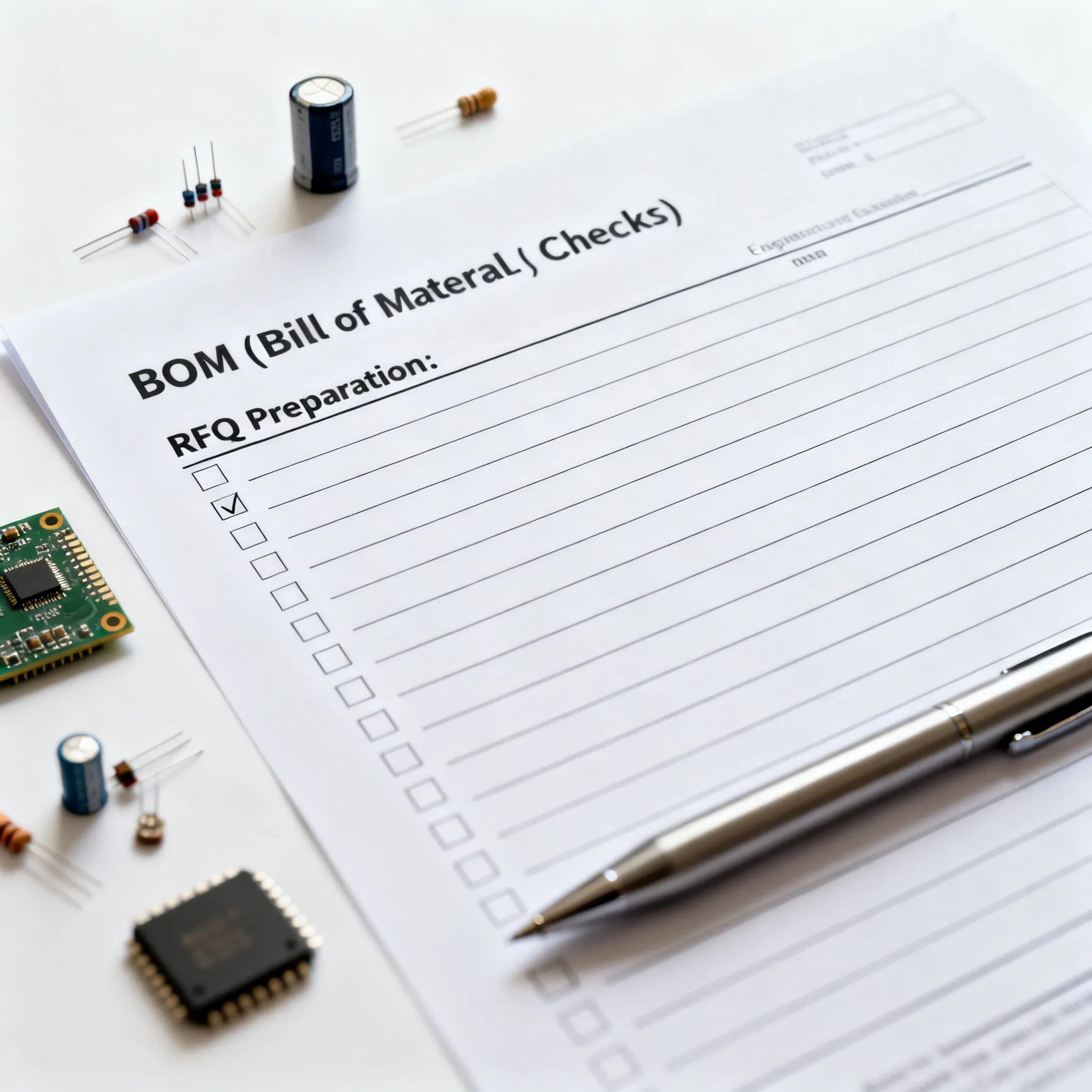
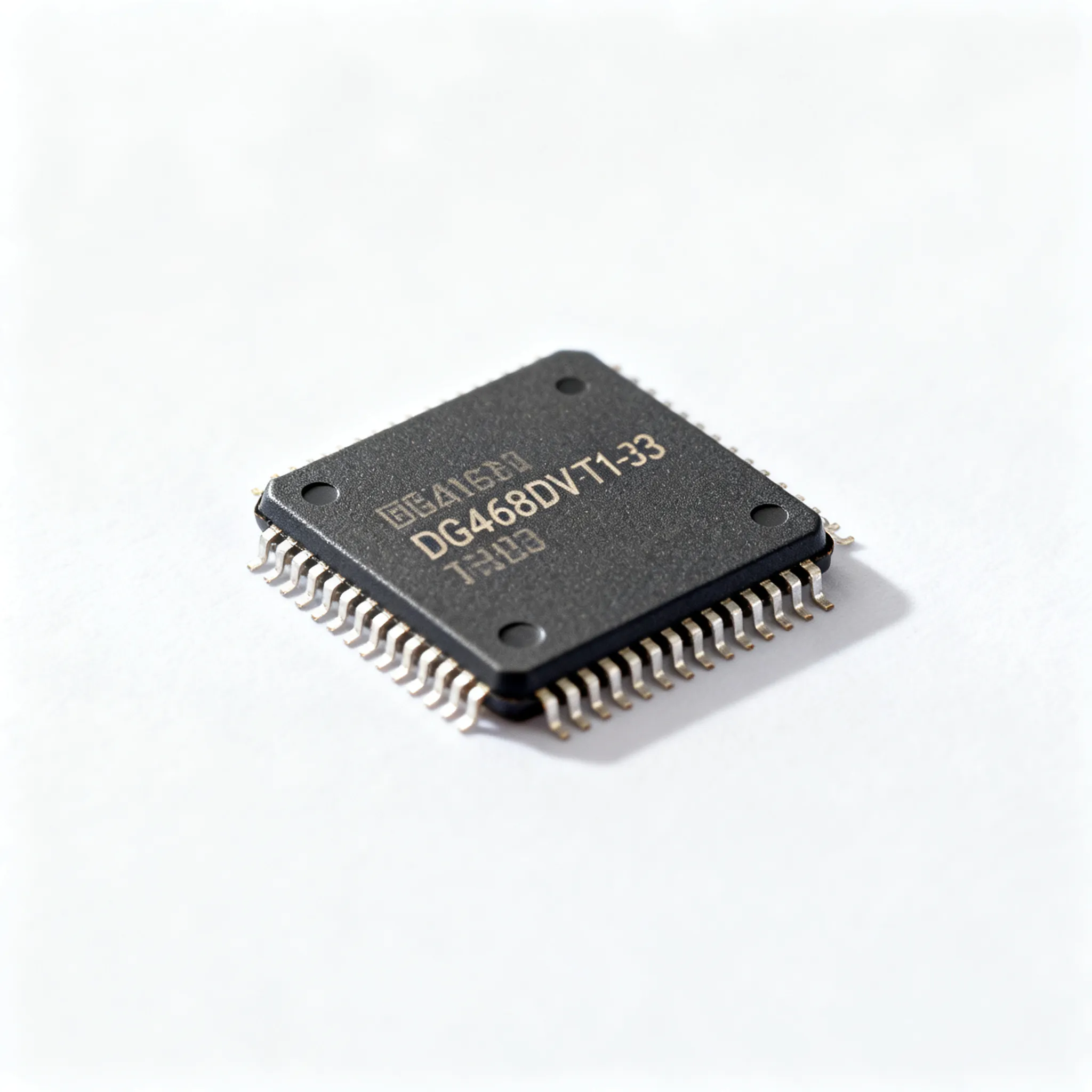
The design freeze solidifies the hardware Bill of Materials (BOM). This locked BOM becomes the single source of truth for procurement and manufacturing. It ensures that every component, from the core HiSilicon SoC to the smallest capacitor, is defined and sourced consistently. Making changes after this point is risky and costly.
Risks of a Late BOM Change ⚠️ Last-minute changes introduce serious risks, including:
- Ordering incorrect quantities or outdated components.
- Production halts from neglecting critical parts or using wrong part numbers.
- Stockouts caused by inaccurate lead times and poor forecasting.
- Regulatory compliance issues due to untracked modifications.
FINALIZING THE GOLDEN SOFTWARE IMAGE
In parallel with the BOM lock, teams must finalize the "golden" software image. This is the exact firmware version that will be flashed onto every device leaving the factory. Before finalizing this image, engineers perform extensive regression testing to ensure stability.
This testing confirms that recent fixes did not create new bugs in other areas of the software. Teams often use a mix of testing types:
- Complete regression testing is used when many code changes have occurred, helping uncover unexpected issues.
- Selective regression testing efficiently validates the impact of new code on existing functions.
Once this rigorous testing is complete and all stakeholders approve, the software image is locked. This final, validated image guarantees a consistent and reliable user experience across all units.
SUPPLY CHAIN AND FACTORY PREPARATION

With the design frozen, the focus shifts from engineering to logistics. This phase transitions the product from a validated concept into a physical item manufactured at scale. Success requires a dual focus: securing a robust supply of materials and meticulously preparing the factory for high-volume assembly. This operational pivot is critical for meeting launch deadlines and market demand.
VOLUME COMPONENT PROCUREMENT
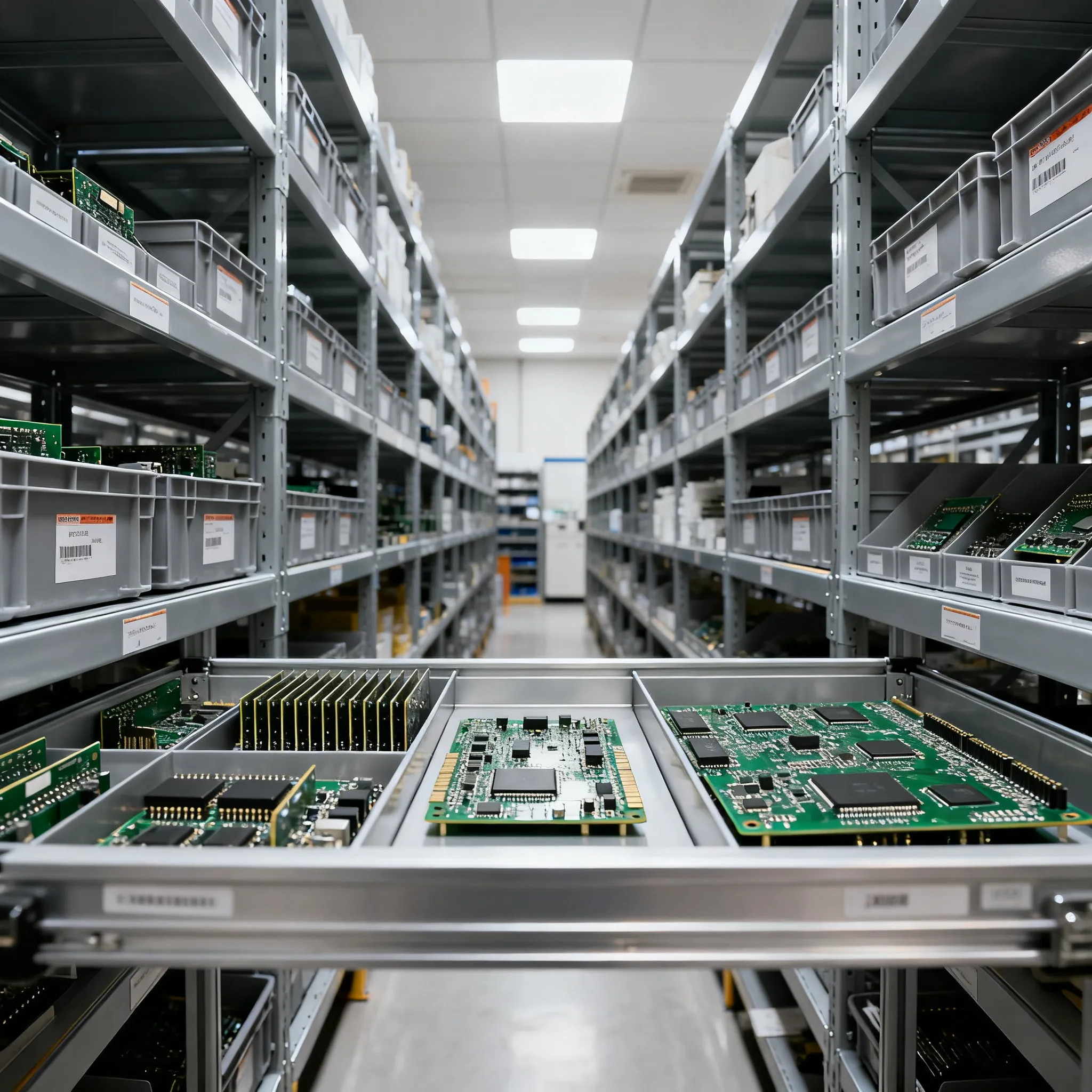
Teams must immediately secure commitments for all components in the locked BOM. This is especially true for long-lead-time items. The core HiSilicon SoC, memory modules, and other custom silicon are top priorities. Lead times for electronic components often exceed 22 weeks, and some memory products can take up to a year to procure. Delays here will directly impact the production schedule.
Pro Tip: Mitigate Supply Chain Risks 💡 Proactive teams reduce risk by qualifying multiple vendors for critical parts during development. They also build a buffer stock of 2-3 weeks for key components. This strategy prevents line-down situations caused by unexpected shortages.
Engaging with contract manufacturers (CMs) early allows teams to leverage their supply chain expertise and purchasing power. A clear agreement outlining costs, quality standards, and intellectual property protection establishes a strong foundation for the partnership.
ASSEMBLY LINE CALIBRATION
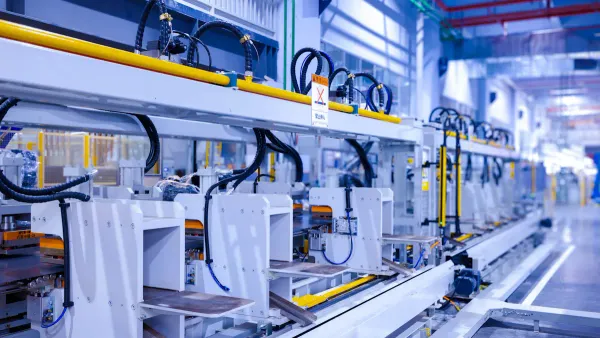
A reliable supply chain is only effective if the factory can assemble the product correctly and consistently. Transferring the design knowledge to the contract manufacturer involves preparing the Surface-Mount Technology (SMT) assembly line. This requires precise calibration to ensure every component is placed accurately.
The calibration process involves several key stages:
- Initial Testing: Technicians run test boards to verify that pick-and-place machines, solder paste printers, and inspection systems function correctly.
- System Calibration: They calibrate each machine according to manufacturer guidelines, adjusting vision systems, nozzle heights, and conveyor positions to maintain precision.
- Fine-Tuning: Based on test results, operators fine-tune placement coordinates and process profiles to optimize performance for the specific product.
To maintain this precision during the production ramp, factories use Statistical Process Control (SPC). SPC acts as a real-time health check-up for the assembly line. It uses control charts to monitor the process, allowing operators to spot and correct deviations before they result in defects.
MASS PRODUCTION TEST AND QA
A calibrated assembly line builds the product; a robust testing and quality assurance (QA) strategy ensures it works flawlessly. This phase implements the systems that catch defects, verify functionality, and guarantee every unit meets the golden standard. It is the factory's immune system, protecting the product's integrity from the first unit to the last.
DEPLOYING IN-LINE TEST STATIONS
Teams deploy in-line test stations at key points on the assembly line to validate product function automatically. A Functional Test (FCT) station uses a custom fixture with probe pins. These pins connect to the device's ports and test points, simulating real-world operation. Custom software powers the board, sends controlled signals, and analyzes the output to verify performance.
ESTABLISHING QA CHECKPOINTS
Automated testing works alongside manual QA checkpoints to enforce quality standards. A comprehensive QA plan includes several critical inspection stages:
- Incoming Material Inspection: Technicians verify all raw components meet specifications before they enter the assembly line.
- In-Process Inspections: Operators check for assembly defects, like poor solder joints or misaligned parts, at various stages.
- Final QA: A final check confirms the finished product meets all functional and cosmetic requirements.
These inspections follow industry standards like IPC-A-610, which defines the acceptability criteria for electronic assemblies. For most consumer electronics, teams adhere to Class 2 requirements. This ensures products are reliable for extended daily use. For final lot inspections, teams use a sampling method called Acceptable Quality Limit (AQL).
AQL: A Practical Approach to Quality AQL defines the maximum number of defective units allowed in a batch. A common standard for consumer goods is:
- Critical Defects: 0% (Must not occur)
- Major Defects: 2.5% (Affects product function)
- Minor Defects: 4.0% (Slight cosmetic deviation)
This statistical approach allows teams to control quality effectively without the unrealistic expectation of a 100% defect-free production run.
MANAGING YIELD AND PRODUCTION RAMPS

With a validated design and a prepared factory, the final hurdle is managing the initial production ramps. This stage is where theory meets reality. It involves a controlled start to manufacturing, followed by a relentless focus on efficiency and quality. Success here determines whether the product can be built profitably at scale.
EXECUTING THE PILOT RUN
The pilot run is the first true test of the mass production setup. It is not a product design check; it is a manufacturing process validation. Teams typically produce a limited quantity, often 10% to 20% of the first purchase order, to confirm the line is ready for high-volume work. This run provides critical data before committing to full-scale production ramps.
Key Pilot Run Objectives 🎯 The primary goals are to confirm:
- The assembly line, trained staff, and test stations are ready.
- The final defect rate is acceptably low (e.g., below 2% for major issues).
- The First-Pass Yield (FPY) is above a target like 80%.
- The line can run at the expected speed.
Engineers track metrics like cycle time, scrap rates, and process capability (Cpk). A formal go/no-go decision depends on hitting targets like a Cpk of 1.33 or higher for critical processes.
OPTIMIZING FIRST-PASS YIELD
First-Pass Yield (FPY) is a crucial metric for measuring manufacturing efficiency. It represents the percentage of units made correctly the first time, without any rework. The calculation is simple:
FPY = (Number of Defect-Free Units / Total Units Produced) x 100
A low FPY during initial production ramps often points to underlying issues. Common root causes include:
- Equipment malfunctions
- Inconsistent raw materials
- Deviations from the standard process
- Human errors
To systematically improve yield, teams use the DMAIC methodology from Lean Six Sigma. This five-step approach provides a framework for data-driven problem-solving.
- Define: Identify the specific problem and set clear goals.
- Measure: Collect baseline data on the process performance.
- Analyze: Use tools like Pareto charts and Fishbone diagrams to find the root cause of defects.
- Improve: Implement and verify a solution to fix the problem.
- Control: Establish procedures to maintain the gains and monitor the process continuously.
This structured method transforms troubleshooting from guesswork into a science, driving the process toward higher quality and efficiency for sustained production ramps.
Mastering the transition from PVT to mass production requires a disciplined, multi-faceted plan, not a single action. Success rests on the execution of four core pillars:
- Freezing the design and software.
- Preparing the supply chain and factory.
- Implementing robust in-line testing and QA.
- Actively managing yield and initial production ramps.
This structured approach transforms a validated prototype into a successful, high-quality product. It leverages the stability of platforms like HiSilicon to set the stage for sustained manufacturing success.
FAQ
What is an Engineering Change Order (ECO)?
An Engineering Change Order (ECO) is a formal process for managing design changes after the design freeze. It ensures all modifications are documented, reviewed, and approved. This system provides strict control and traceability for the final product.
Why is the HiSilicon SoC a procurement priority?
The HiSilicon SoC is the product's central processor. It is a complex component with a long manufacturing lead time. Teams must order it early to avoid major production delays. Securing this part is critical for the project timeline.
What is a good First-Pass Yield (FPY)?
A good First-Pass Yield (FPY) depends on product complexity. Mature products often target 95% or higher. For a new product launch, achieving an initial FPY of 80-85% is a strong starting point for the pilot run.
What is the main goal of a pilot run?
The pilot run's main goal is to validate the manufacturing process, not the product's design. Teams confirm the assembly line, test stations, and staff are ready for high-volume production. It helps find process issues before they become major problems.