Mastering Power Management Integrated Circuits for Modern Electronic Designs
A power management integrated circuit helps control and share power in your device. You need a pmic to make sure your phone, laptop, or wearable works well.
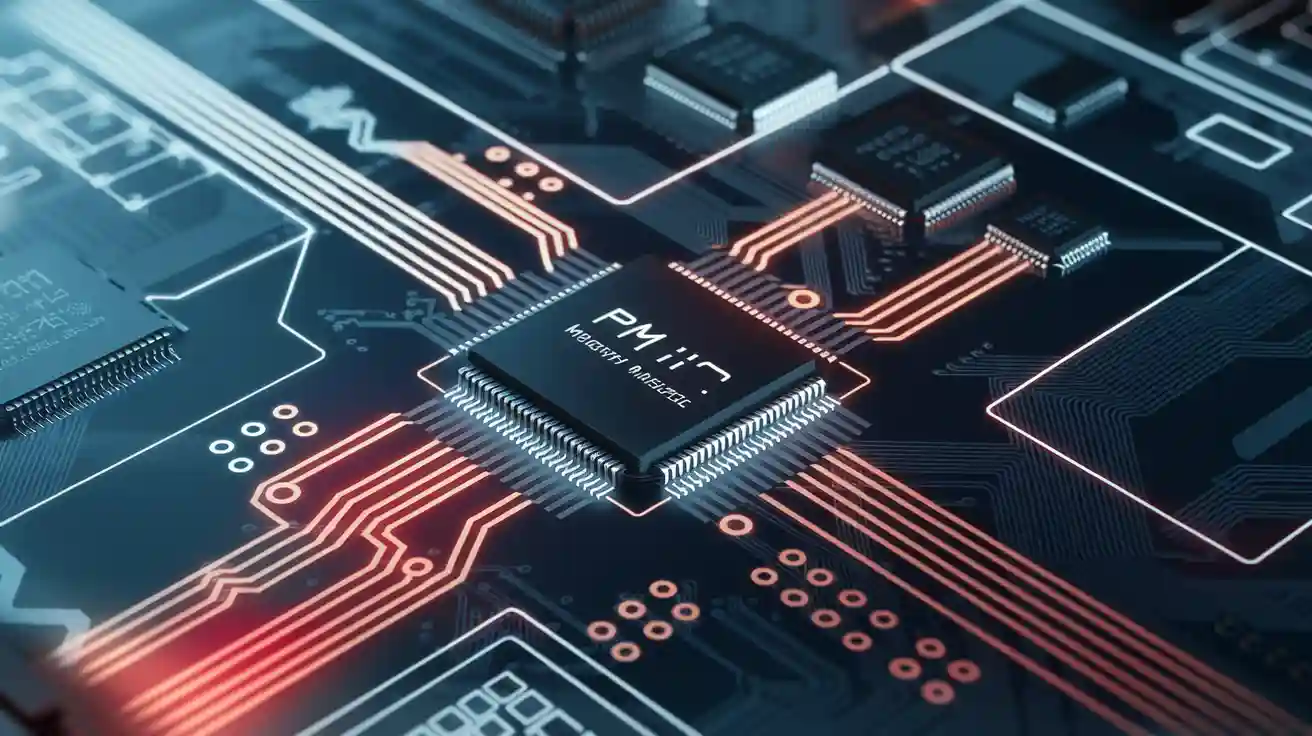
A power management integrated circuit helps control and share power in your device. You need a pmic to make sure your phone, laptop, or wearable works well. In today’s small gadgets, a power management integrated circuit makes voltage steady, handles power steps, and keeps the battery safe. With a pmic, your battery lasts longer and your device works better, even as devices get smaller and stronger.
Key Takeaways
-
A PMIC manages and gives out power in devices. It keeps voltage steady and helps protect batteries. Using a PMIC saves space in the device. It also helps use less energy. This makes devices smaller and safer. There are different PMIC types for different jobs. Linear regulators give clean power. Switching regulators help save energy. Picking the right PMIC means you match your device’s power needs. You also look at size and safety features. Modern PMICs are smart and can be programmed. They use less energy. This helps devices last longer and work better.
PMIC Overview
What is a PMIC?
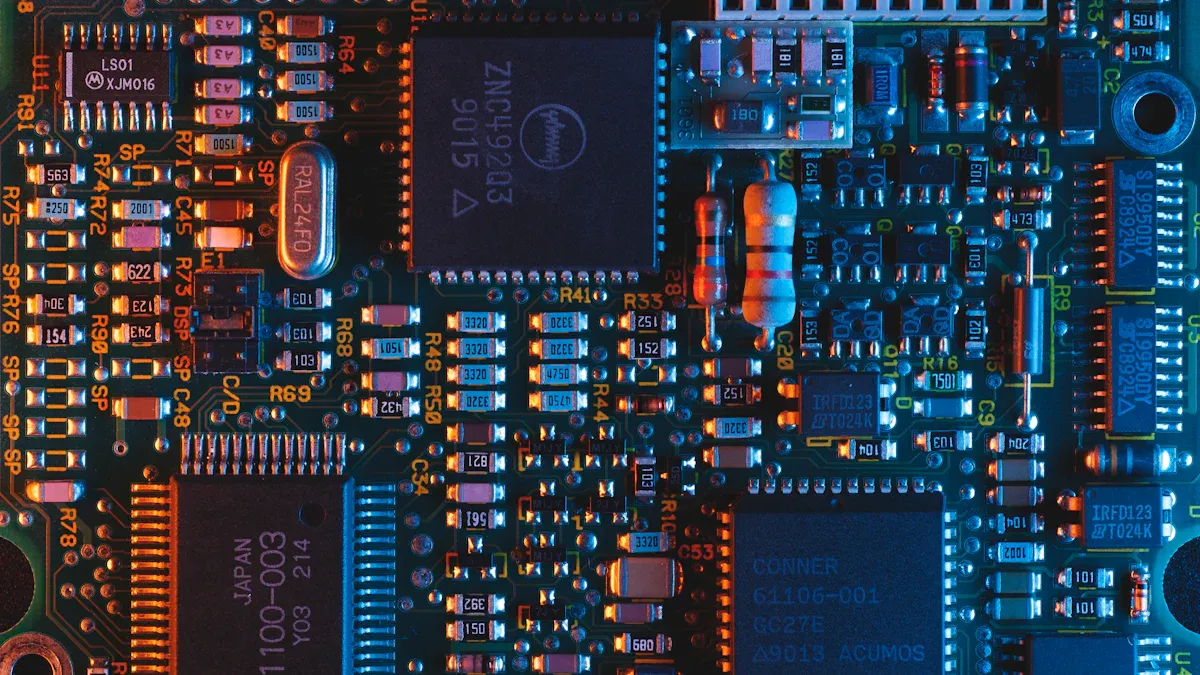
A pmic helps your device use power the right way. The power management integrated circuit is a chip that controls how electricity moves inside your electronics. This chip is like the brain for power in your device. It makes sure each part gets the right amount of voltage and current. You can find a power management ic in almost every new gadget, like smartphones and smartwatches.
A power management integrated circuit does more than just give power. It keeps voltage steady, sends power to different parts, and protects against things like short circuits or too much heat. You can think of a pmic as a traffic cop for electricity. It sends energy where it is needed and keeps everything working well. When you build a device, you count on a power management ic to keep things stable and efficient.
Tip: To make your device last longer and work better, always pick the right pmic for your design.
Why PMICs Matter
You need a pmic because new devices need more power in less space. As electronics get smaller, you cannot use many separate power chips. A power management integrated circuit puts many power jobs into one small chip. This saves space and means you need fewer parts.
A power management ic also helps your device use energy better. It lets your device use less power and stay cooler. When you use a pmic, your battery lasts longer and your device is safer. You also make your system more reliable. If one part of your device needs a different voltage, the pmic changes it for you. You do not have to worry about power problems.
Here are some big reasons to use a power management ic in your designs:
-
Integration: A pmic puts many power jobs together, so your circuit is easier.
-
Efficiency: It stops energy from being wasted and helps your device stay cool.
-
System Reliability: The power management integrated circuit keeps your device safe and working well.
-
Space Saving: You use fewer parts, so your device can be smaller and lighter.
|
Feature |
Benefit to You |
|---|---|
|
Integration |
Fewer parts, simpler design |
|
Efficiency |
Longer battery life |
|
System Reliability |
Fewer failures, safer device |
|
Space Saving |
Smaller, lighter products |
When you pick a power management ic, you make your device smarter and more reliable. You help users enjoy longer battery life and safer use. The pmic is very important in every new electronic design.
PMIC Operation
Core Functions
When you add a power management ic to your device, it helps control power in smart ways. The main job of a pmic is to move power through your device safely. A power management ic does many important things:
-
Voltage Regulation: The power management ic keeps voltage steady for each part. This stops damage and helps your device work well.
-
Power Sequencing: A pmic turns parts on and off in the right order. This keeps sensitive parts safe and helps your device start up right.
-
Battery Charging and Monitoring: Many power management ic chips charge the battery and watch its health. They stop charging when the battery is full.
-
Protection: The pmic protects against short circuits, too much current, or getting too hot.
Note: You can trust a power management ic to make your device safer and more reliable.
Internal Architecture
A pmic has different blocks inside that work together. Each block does a special job. Here is a simple look at what is inside a power management ic:
|
Block |
Purpose |
|---|---|
|
Voltage Regulators |
Control voltage for each part |
|
Power Switches |
Turn power on or off |
|
Battery Managers |
Handle charging and safety |
|
Protection Circuits |
Stop damage from faults |
|
Communication Logic |
Let the pmic talk to your system |
A power management ic puts many features into one chip. This saves space and makes your device easier to build. When you pick a pmic, you get a full power solution for your needs.
Power Management Integrated Circuit Types
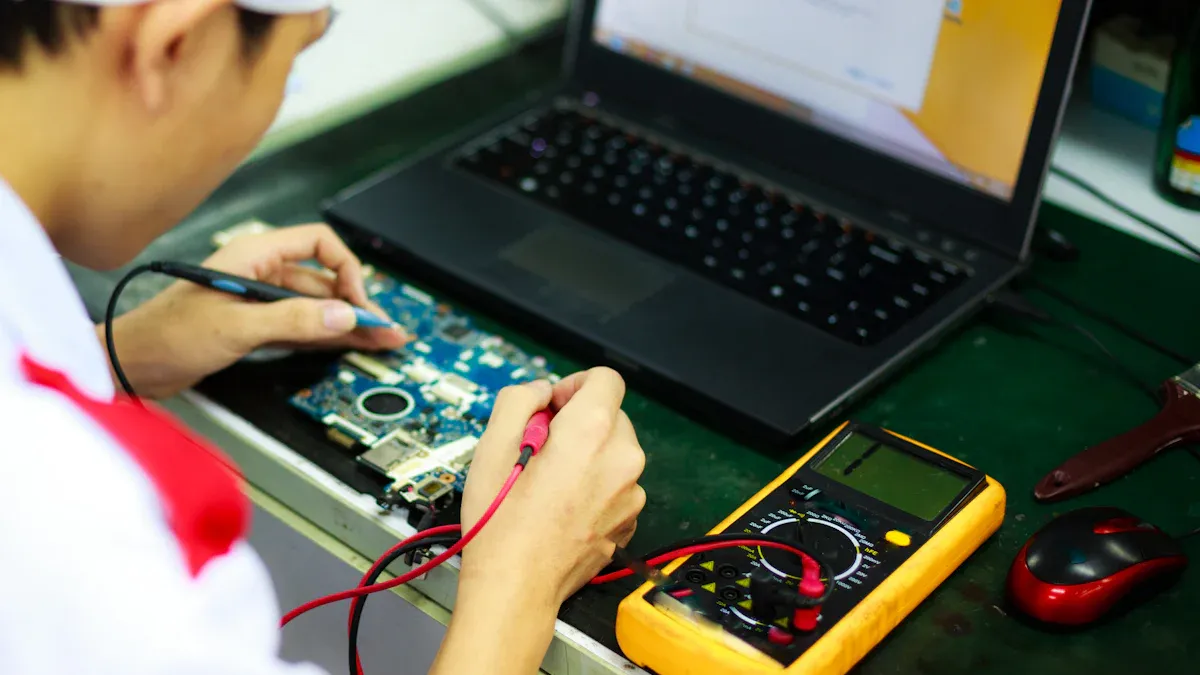
When you build a new device, you must pick the right pmic. Each pmic type has its own job and is best for certain uses. Here are the main types you will see in electronics.
Linear Regulators
A linear regulator is the easiest pmic to use. It gives steady voltage and makes little noise. It works by turning extra voltage into heat. This makes it simple but not very efficient if the voltage gap is big. You often find linear regulators in audio gear or other parts that need clean power.
Switching Regulators
Switching regulators change power in another way. They turn voltage on and off fast, then smooth it out with special parts. This way is more efficient and makes less heat. You use switching regulators in things that need to save battery or use more power, like phones and tablets.
Here is a table to help you compare:
|
Aspect |
Linear Regulators |
Switching Regulators |
|---|---|---|
|
Efficiency |
Lower, more heat |
Higher, less heat |
|
Output Noise |
Very low, good for sensitive parts |
Higher, needs filtering |
|
Components |
Fewer, simple design |
More, needs inductors and capacitors |
|
Applications |
Audio, analog, low-power |
High-power, battery devices |
Tip: Pick linear regulators for clean, low-power jobs. Use switching regulators if you want high efficiency and longer battery life.
Battery Management Chips
A battery management ic keeps your battery safe and healthy. It controls charging, checks battery levels, and stops overcharging. You need this chip in any device with a rechargeable battery, like phones or earbuds. It helps your battery last longer and keeps your device safe.
Multi-Channel PMICs
Multi-channel pmic chips can handle many power rails at once. You use them in complex things like smartphones or tablets. These chips manage different voltages for the processor, memory, and other parts. This makes your design easier and saves space.
Application-Specific PMICs
Some pmic chips are made for special jobs. You find these in cameras, medical tools, or cars. These chips give you features that fit your device, like special timing or extra protection.
When you choose a pmic, think about your device’s power, size, and safety. The right pmic helps your design work better and last longer.
Power Management IC Features
Efficiency
You want your device to use less energy and last longer. A power management ic helps by moving power in smart ways. It uses special circuits to stop wasting energy. This means your battery will last longer and your device will not get too hot. These chips help you make products that save energy and work well.
💡 Tip: High efficiency keeps your device cool and your battery full for longer.
Voltage Regulation
Each part in your device needs the right voltage to work. A power management ic keeps voltage steady, even if your battery is low or your device is busy. This helps stop damage to your device. You can use a power management ic to give each part the voltage it needs. This makes your device safer and more stable.
Here is why voltage regulation is important:
|
Feature |
Why It Matters |
|---|---|
|
Steady Voltage |
Stops damage to components |
|
Custom Settings |
Fits each part’s needs |
|
Reliable Power |
Keeps device stable |
Thermal Management
Heat can damage your device. A power management ic helps control heat by spreading power in smart ways. It can lower power to parts that get too hot. Some chips can even turn off parts to stop overheating. This keeps your device safe and working for a long time.
Protection Functions
You want your device to be safe from power problems. A power management ic gives you many ways to protect your device. It can stop short circuits, block too much current, and keep your device from getting too hot. These features help stop damage and keep your device working. You can trust a power management ic to protect your electronics every day.
Note: Always look at the protection features when you choose a power management ic for your project.
PMIC Advantages and Disadvantages
Benefits
When you use a pmic, you get many good things. You save space on your board. This chip does many power jobs in one place. Your device can be smaller and lighter. You do not need to buy as many parts. This makes it easier to build and fix your device.
A pmic helps your device use less energy. It moves power in smart ways and stops waste. Your device will not get too hot. The battery will last longer. The pmic also keeps your device safe. It can stop short circuits, too much heat, or too much current. You can trust your device to work well and last a long time.
Here are some main benefits:
-
Smaller and lighter devices
-
Fewer parts to keep track of
-
Battery lasts longer
-
More safety and protection
-
Easier to manage power
💡 Tip: Using a pmic makes your design easier and safer.
Limitations
There are some things a pmic cannot do. Sometimes, it does not fit every device. If you need special power features, you might need more chips. A pmic can cost more than simple power parts. This is true for small projects.
Some pmic chips can get hot with lots of power. You might need to cool them or pick another chip. If the pmic breaks, your whole device could stop. This is because it controls all the power.
Here is a table to show the main limits:
|
Limitation |
What It Means for You |
|---|---|
|
Higher cost |
More expensive for small runs |
|
Less flexibility |
May not fit custom needs |
|
Heat issues |
Needs careful design |
|
Single point of failure |
Device may stop if pmic fails |
Note: Always make sure a pmic is right for your device before you pick one.
Selecting a Power Management Chip
Assessing Requirements
You need to start by understanding what your device needs. Every electronic design has different power needs. You should look at how much voltage and current each part of your device uses. Write down the highest and lowest voltage each section needs. Check if your device uses a battery or plugs into the wall. Think about how much space you have for the chip. Some devices need a small chip because there is not much room on the board.
Ask yourself these questions:
-
How many power rails does your device need?
-
What is the maximum current for each rail?
-
Does your device need to save battery life?
-
Will your device get hot during use?
-
Do you need special features like fast charging or protection?
Tip: Make a list of all your power needs before you choose a power management ic. This step helps you avoid problems later.
Matching Applications
You must match the right chip to your device. Each application has its own needs. For example, a smartphone needs a chip that can handle many power rails and save battery. A simple sensor might only need one voltage rail and basic protection.
Here is a table to help you match common devices with the right type of power management ic:
|
Application |
Key Needs |
Suggested PMIC Type |
|---|---|---|
|
Smartphone |
Multi-rail, high efficiency |
Multi-channel PMIC |
|
Wearable Device |
Small size, battery safety |
Battery management IC |
|
Audio Equipment |
Low noise, steady voltage |
Linear regulator |
|
Tablet/Laptop |
High power, thermal control |
Switching regulator |
|
IoT Sensor |
Low power, simple design |
Linear or battery IC |
You should always check the datasheet for each chip. The datasheet tells you what the chip can do. It shows the voltage range, current limits, and special features. If you pick the wrong chip, your device may not work well.
Selection Tips
You want to make the best choice for your project. Here are some tips to help you pick the right power management chip:
-
Check Efficiency: Choose a chip that saves energy. High efficiency means your device stays cool and the battery lasts longer.
-
Look for Protection: Pick a chip with built-in safety features. Overcurrent, overvoltage, and thermal protection keep your device safe.
-
Think About Size: Make sure the chip fits your board. Smaller chips are better for compact devices.
-
Review Flexibility: Some chips let you change settings for different voltages or currents. This helps if your design changes later.
-
Read Reviews and Support: Choose a chip from a trusted company. Good support and clear datasheets make your job easier.
💡 Note: Always test the power management ic in your real device. Testing helps you find problems before you build many units.
If you follow these steps, you will find a chip that fits your needs. Your device will work better, last longer, and stay safe.
PMIC Trends
Integration and Miniaturization
PMICs now have more features in smaller chips. Companies put many power jobs into one chip. This helps you save space on your board. You can make devices thinner and lighter. One PMIC can do voltage regulation, battery charging, and protection. You do not need lots of separate chips anymore. Smaller PMICs let you add more tech to wearables, smartphones, and IoT devices. Fewer parts make your design easier and more reliable. You also spend less money to build your device.
Tip: Picking a PMIC with lots of features makes your device smaller and easier to put together.
Smart and Programmable PMICs
New PMICs have smart features you can program. You can set them up for your device’s needs. For example, you can pick voltage levels or change how parts turn on. You can also adjust how fast the battery charges. Some PMICs let you watch power use as it happens. Smart PMICs help you make flexible products. If you need to update your device, just change the PMIC settings. You do not have to change the hardware. This saves you time and money when you build new things.
Here are some smart features you might see:
-
Programmable voltage outputs
-
Real-time power monitoring
-
Customizable power sequencing
-
Fault reporting
💡 Note: Programmable PMICs give you more control and help you meet new needs.
Energy Efficiency
Energy efficiency is still very important. You want your device to last longer on one charge. PMICs now use better circuits to waste less power. They only use power when needed and make less heat. Efficient PMICs help you meet green rules. Your device stays cool and the battery lasts longer. Look for PMICs with high efficiency ratings. These chips help your products stand out from others.
|
Feature |
Benefit to You |
|---|---|
|
High efficiency |
Longer battery life |
|
Low heat output |
Cooler devices |
|
Smart power modes |
Better performance |
Remember: Choosing an efficient PMIC helps you give better products to your users.
If you know how a power management integrated circuit works, you help make better electronics. Picking the right chip makes your device work well and last longer. Learn about new PMIC trends and use good tips in your projects. Read datasheets, guides, and check electronics forums to learn more. Your skills will help you build safer and smarter devices.
FAQ
What does a PMIC do in my device?
A PMIC manages power for your device. It controls voltage, protects against faults, and helps your battery last longer. You get a safer and more reliable product with a PMIC.
How do I choose the right PMIC?
You should check your device’s voltage, current, and size needs. Review datasheets and look for safety features. Pick a PMIC that matches your application and fits your board.
Tip: Always test the PMIC in your real device before finalizing your design.
Can a PMIC help my battery last longer?
Yes! A PMIC uses energy efficiently and protects your battery from overcharging or overheating. You get longer battery life and safer charging.
Are PMICs safe for all electronics?
Most PMICs work well in many devices. You must check the specifications to make sure the PMIC fits your needs. Always follow the manufacturer’s guidelines.
|
Device Type |
PMIC Usefulness |
|---|---|
|
Smartphone |
👍 |
|
Wearable |
👍 |
|
Laptop |
👍 |
|
Simple Sensor |
👍 (if needed) |
What happens if my PMIC fails?
If your PMIC fails, your device may stop working or become unsafe. You should always use a trusted brand and test your design to avoid problems.