Integrated Circuit Description: Understanding the Anatomy of Modern ICs
Integrated circuits, or microchips, are key to modern electronics, and an integrated circuit description reveals their significance. These tiny circuits, made from special materials, hold parts like transistors and capacitors on one chip.
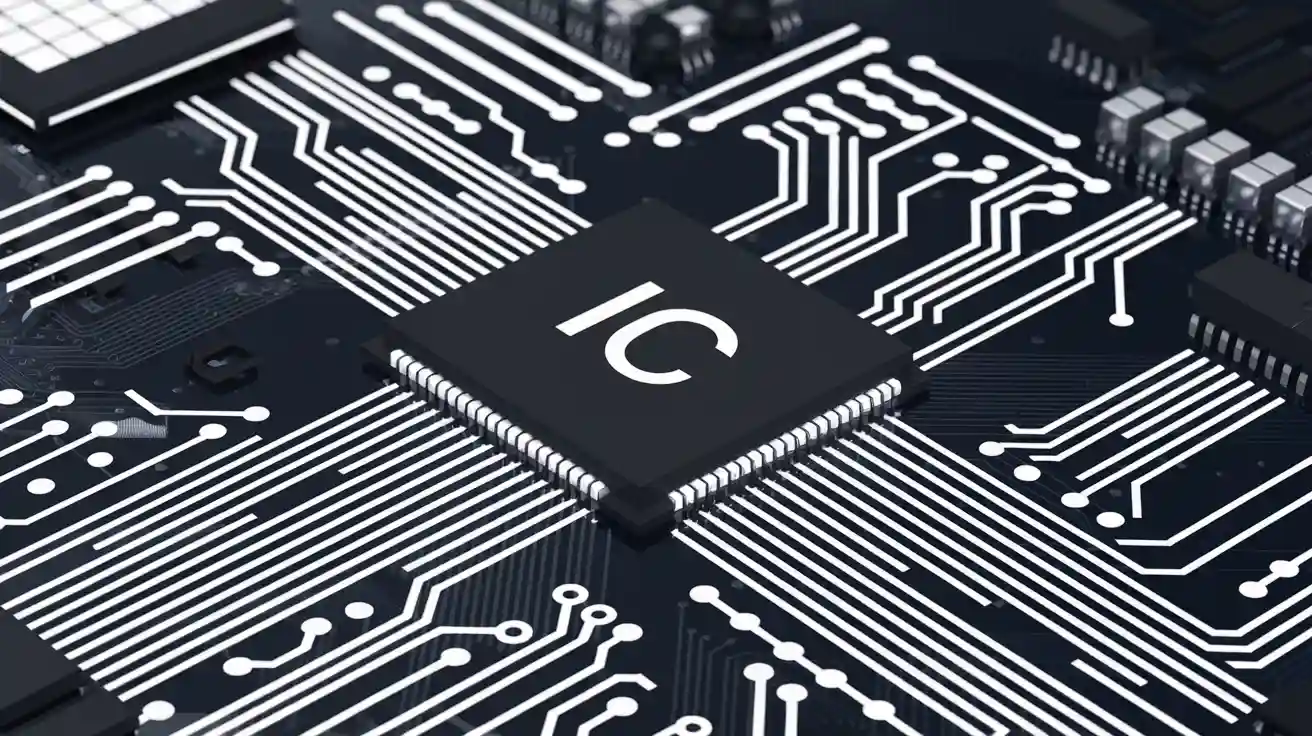
Integrated circuits, or microchips, are key to modern electronics, and an integrated circuit description reveals their significance. These tiny circuits, made from special materials, hold parts like transistors and capacitors on one chip. They changed technology by making devices smaller, faster, and better.
The creation of integrated circuits in 1958 changed many industries. It led to inventions like smartphones and smart home devices. Today, ICs help power big changes, like 5G networks. These networks grew from 1% to 20% of global smartphone sales in one year. By 2029, the IC market might reach $661.12 billion, showing how important they are for the future.
Learning how these chips work, as outlined in an integrated circuit description, helps you create new ideas in electronics and push innovation forward.
Key Takeaways
-
Integrated circuits (ICs) are important for modern gadgets. They make devices smaller, faster, and better.
-
Transistors are the main part of ICs. They control signals and help devices like phones and computers do complex tasks.
-
Packaging keeps ICs safe from harm. It helps them work well in different situations and is a key part of their design.
-
There are different IC types, like digital, analog, and mixed-signal. Each type has special jobs, powering things like phones and medical tools.
-
New IC designs, like 2.5D and 3D stacking, are shaping the future. These designs make devices stronger and smaller.
Integrated Circuit Description: Anatomy of Modern ICs
Modern integrated circuits are amazing creations of technology. They combine many parts to do complicated tasks. Knowing how they work helps you see how they power everyday devices. Let’s look at the main parts of an integrated circuit.
Transistors and Active Components
Transistors are the most important part of an integrated circuit. They boost or control electronic signals, helping the chip do logical tasks. Modern chips have billions of tiny transistors, smaller than a human hair. Over time, their size and performance have greatly improved due to better manufacturing.
-
Scientists like Adit Singh are finding ways to spot small transistor problems caused by manufacturing. These methods aim to make ICs more reliable as they get more advanced.
-
As ICs improve, transistors can have hidden issues. Fixing these problems keeps chips working well and reliably.
Transistors work with diodes, another key part, to control current flow in the circuit. Together, they are the base of an integrated circuit, allowing it to do its job.
Passive Components: Resistors, Capacitors, and Inductors
Transistors do the main work, but passive parts like resistors, capacitors, and inductors help too. These parts control voltage, store energy, and clean up signals so the circuit runs smoothly.
-
Resistors limit current flow to protect sensitive parts.
-
Capacitors hold and release energy to keep voltage steady.
-
Inductors, though rare in ICs, handle magnetic fields and block high-frequency noise.
These parts are carefully placed in the chip to make it work well. Their arrangement ensures the circuit works properly, even in different conditions.
|
Component Type |
Examples |
|---|---|
|
Active Devices |
Transistors, Diodes |
|
Passive Devices |
Capacitors, Resistors |
|
Substrate Material |
Semiconductor (usually Silicon) |
|
Circuit Form |
Monolithic Chip |
This table shows the main parts of modern ICs, balancing active and passive elements.
Interconnections and Substrate
Interconnections and the substrate are the base of an integrated circuit. The substrate, often made of silicon, gives a strong base for the parts. It also helps electrical signals move through the circuit.
Making interconnections involves several steps:
-
Start with materials like HTCC or LTCC for their properties.
-
Add layers for conductive paths and vertical connections.
-
Use patterns to create electrical paths with thin-film methods.
-
Make vias for vertical connections, ensuring they align correctly.
-
Add bonding pads to connect the parts.
-
Test the finished substrate to check its function and strength.
These steps make sure the interconnections are strong and ready for modern electronics. The substrate and interconnections support all the parts, completing the integrated circuit structure.
Packaging and Protection
Packaging is key to keeping integrated circuits safe and lasting longer. It shields the tiny parts inside from things like water, dirt, and damage. Without good packaging, even advanced chips wouldn’t work well in real-world situations.
Think of packaging as armor for the chip. It helps the IC work safely and connects it to other devices using pins or leads. Today’s packaging methods aim to balance safety, size, and cost for different uses.
Why Packaging Matters
Packaging makes ICs stronger and more reliable. Modern methods stop chips from breaking due to outside stress. Engineers use smart designs to make packaging tough for harsh conditions. They also study how long chips will last by testing for possible failures.
Here’s how packaging affects IC strength:
|
Aspect |
Description |
|---|---|
|
Shows how packaging improves IC strength and durability. |
|
|
Reliability Theory |
Explains advanced ideas for making ICs more reliable. |
|
Failure Analysis Methods |
Tests how ICs might fail and predicts their lifespan. |
|
Testing Procedures |
Checks if packaging can handle tough conditions. |
Protection Standards
Manufacturers follow strict rules to keep ICs safe. These rules decide what materials and methods to use for packaging. Some chips need airtight seals to block moisture. Others use cheaper materials like epoxy for less demanding jobs.
Testing is very important for packaging. Engineers test ICs in extreme conditions to find weak spots. These tests make sure the packaging is strong and meets quality standards.
Learning about packaging shows how complex ICs really are. Packaging isn’t just about covering the chip; it’s about making a strong product that powers the devices you use every day.
Types of Integrated Circuits
Integrated circuits, or ICs, are made for different jobs. Knowing their types shows how they power devices like phones and computers.
Digital ICs
Digital ICs use 0s and 1s to process data. They do tasks like storing data, solving problems, and making decisions. You can find them in phones, computers, and digital clocks. These chips are fast and accurate, which makes them important for today’s tech.
In the past, digital ICs became popular during early computing. Companies like IBM used them in big computers for memory and logic. This change replaced older tech with ICs. Now, digital ICs are used in phones and communication systems.
Analog ICs
Analog ICs handle signals like sound or light. They make these signals stronger, cleaner, or easier to use. For example, an analog IC in your phone helps send your voice during calls. These chips are important for radios, sensors, and power systems.
In the 1960s, analog ICs improved radios, TVs, and phones. They worked well with real-world signals, making them useful for many devices.
Mixed-Signal ICs
Mixed-signal ICs combine digital and analog tasks on one chip. They connect the digital world of computers with real-world signals. For example, a mixed-signal IC in a phone changes your voice (analog) into data (digital) to send it.
These chips are used in cars, medical tools, and wireless devices. Their ability to do both jobs makes them very useful in modern gadgets.
Did You Know? Early ICs were made for space and military projects, like Apollo missions. These projects needed strong and efficient parts, starting the IC market we see today.
Each type of IC has a special job in technology. By learning about them, you’ll see how they power the devices you use every day.
Power ICs
Power ICs are special chips that handle electrical power in devices. They make sure electronics work well and stay reliable. You can find them in things like chargers, power supplies, and motor controllers.
These chips are very important for gadgets like phones and laptops. They control voltage, share power, and stop electrical problems. This helps devices work smoothly without getting too hot or losing battery quickly.
Tip: Power ICs help your gadgets last longer by saving battery life.
Modern power ICs use smart methods to work better. For example, power gating saves energy by turning off unused parts. Low-power designs also reduce heat, making devices last longer. These updates make power ICs more useful and dependable.
Here are some ways power ICs help today’s devices:
-
Make batteries last longer by using less power.
-
Create less heat, helping devices last longer.
Power ICs come in different types for different jobs. Some handle high voltage, while others work with low power. Engineers pick the right power IC to fit each device’s needs.
Learning about power ICs shows how electronics perform so well. These chips keep your devices powered, efficient, and ready when you need them.
Integrated Circuit Manufacturing Process
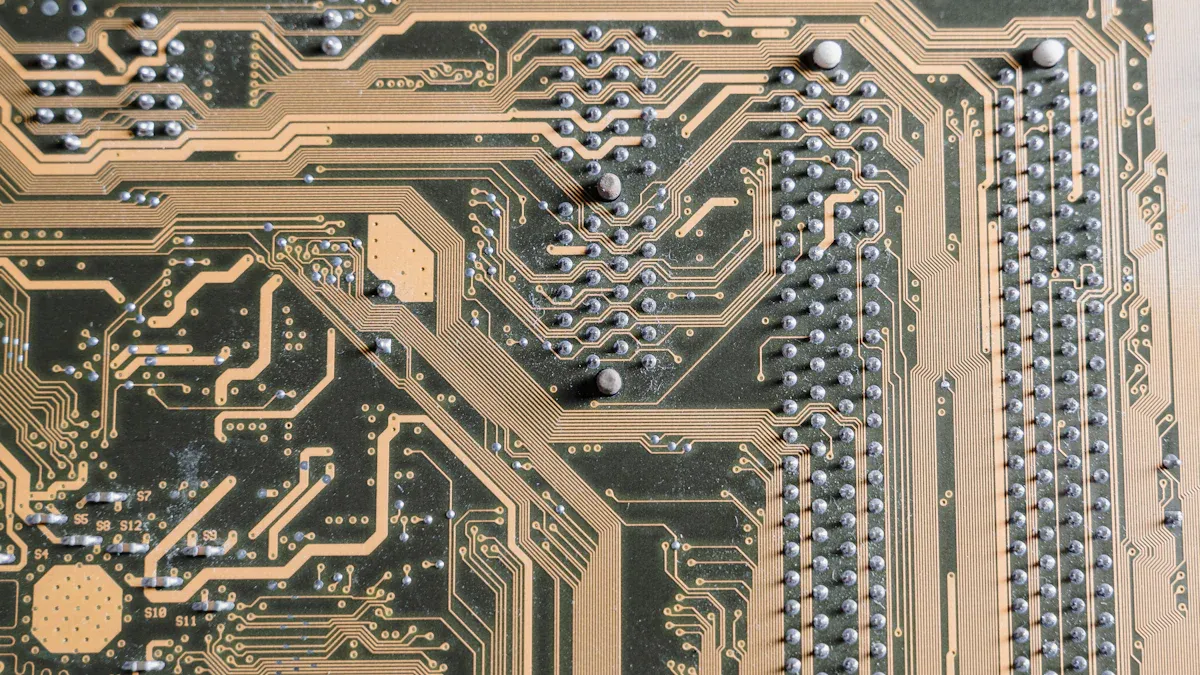
Making integrated circuits is an amazing process. It turns raw materials into the powerful chips we use daily. Each step is important to make sure the chips work well. Let’s look at the main stages of this process.
Wafer Preparation
Wafer preparation is the first step in making a chip. It changes raw silicon into thin, round wafers. These wafers are the base for the entire chip. Think of it like getting a canvas ready before painting.
Wafers must be clean, smooth, and undamaged. Special machines, like those from IBM's Project SWIFT, handle wafers carefully. These machines prevent scratches and dirt. Here’s why wafer preparation matters:
-
Clean wafers lower the chance of defects later.
-
Smooth processing improves efficiency and success rates.
-
Careful handling stops damage that could ruin the chip.
Starting with a perfect wafer helps make great integrated circuits.
Photolithography
Photolithography is like drawing a map on the wafer. Light is used to create patterns where circuit parts will go. This step is very precise and uses advanced tools to make tiny features.
To keep things accurate, manufacturers use special models to check the process. For example:
-
The "x-bar, R" model checks machine performance.
-
The "x, moving-R" model tracks changes on one wafer.
-
A Poisson model counts defects and particles.
These tools help find and fix problems early. Photolithography gives the wafer its detailed circuit design.
Doping and Etching
Doping and etching bring the wafer to life. Doping adds tiny impurities to change how the wafer conducts electricity. This step creates transistors and other parts. Etching removes extra material to form circuit paths.
These steps need careful control to work well. Manufacturers check things like doping levels and etching shapes. This helps improve quality and catch problems early.
By perfecting these steps, chips work as planned. Doping and etching combine science and skill to make the designs that power your devices.
Metallization and Layering
Metallization and layering are key steps to make an integrated circuit. These steps create paths for electricity to flow between parts. Without them, the circuit wouldn’t work.
Metallization adds thin metal layers to the wafer. These layers carry electrical signals. Copper is often used because it’s strong and conducts electricity well. Engineers use the damascene process to add metal. They carve trenches and holes into the wafer, then fill them with metal using electroplating. This method spreads the metal evenly.
After adding metal, extra material is removed using chemical mechanical polishing (CMP). This step smooths the surface for the next layer. Making the surface even can be tricky, especially on big wafers. Engineers check for problems like uneven spots during testing to improve the process.
Here are some important techniques for metallization and layering:
-
Electroplating: Adds metal evenly to the wafer.
-
Chemical Mechanical Polishing (CMP): Smooths the surface by removing extra metal.
-
Damascene Process: Fills carved areas with metal to make connections.
These methods need careful testing to ensure the circuit works properly. Metallization and layering are crucial for building modern integrated circuits.
Packaging and Testing
Packaging and testing are the last steps in making an integrated circuit. Packaging keeps the chip safe, while testing checks if it works correctly.
Packaging covers the chip with protective material. This material blocks water, dirt, and damage. Engineers design packages to be strong, small, and affordable. Some chips use airtight seals to stop moisture, while others use epoxy for simpler needs.
Testing makes sure the chip works well. Engineers test it under tough conditions like heat, shaking, and heavy electrical loads. These tests find weak spots and predict how long the chip will last. Testing also checks if the chip meets quality standards.
Here’s how packaging and testing help the chip:
-
Packaging: Protects the chip and connects it to other devices.
-
Testing: Checks the chip’s performance and reliability.
-
Failure Analysis: Finds weak areas and predicts how long the chip will last.
By the end, the chip has passed many tests and checks. This ensures the integrated circuit is strong and ready for modern technology. Packaging and testing turn a fragile chip into a reliable product.
Advancements in Integrated Circuit Design
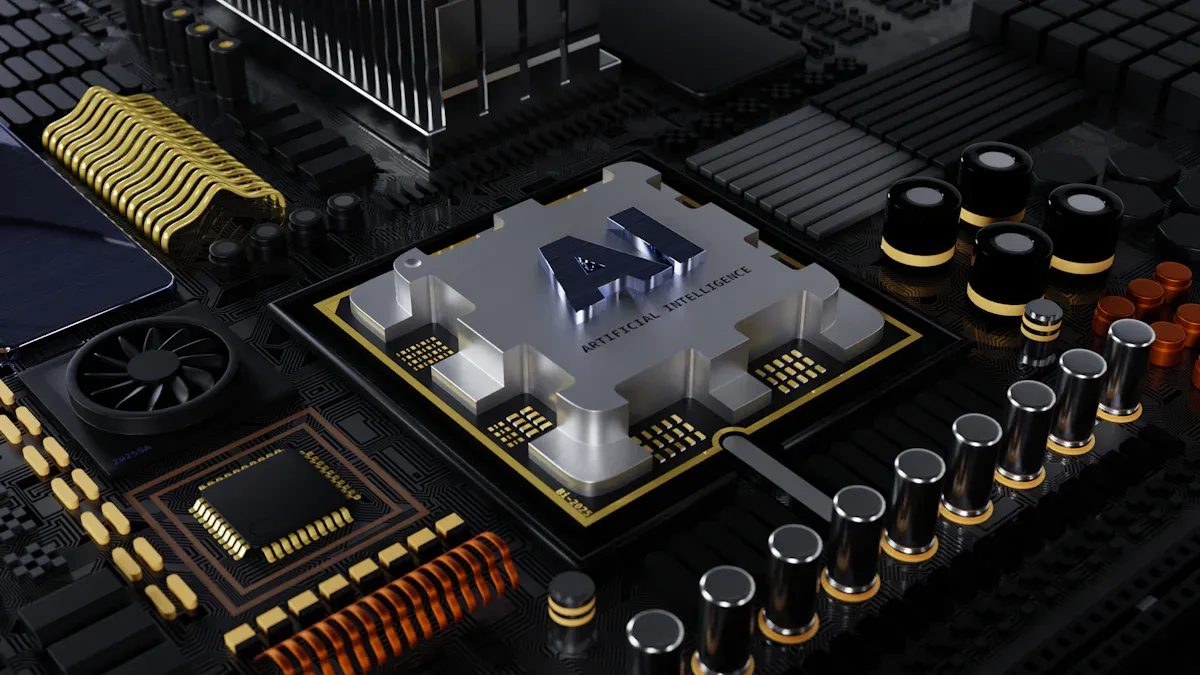
The world of integrated circuits (ICs) keeps changing and improving. New ideas make chips faster, smaller, and better. These changes are helping electronics grow and create new possibilities.
2.5D and 3D-ICs
Most ICs are flat, but 2.5D and 3D-ICs stack parts on top of each other. This saves space and makes them work faster. Imagine stacking floors in a tall building instead of spreading out. Stacked layers help signals move quicker, speeding up data.
2.5D-ICs use a connector called an interposer to link layers. 3D-ICs connect layers directly without extra parts. This design uses less energy and fits into smaller spaces. These chips are great for powerful computers and advanced phones. As devices need more power in tiny spaces, these ICs are becoming very important.
Innovations in Transistor Design
Transistors are the main part of every IC. Their design has improved a lot over time. In 1947, transistors replaced big vacuum tubes, making electronics smaller and better. Later, CMOS technology made transistors use less power and stay cooler.
Now, engineers work to make transistors even smaller and faster. "More Moore" focuses on shrinking transistors for better speed. "More than Moore" adds new features like sensors and communication tools. Beyond CMOS looks at new materials like graphene and carbon nanotubes. These materials could make future ICs work even better.
AI in IC Design
Artificial intelligence (AI) is changing how ICs are made. AI tools study complex data and design chips quickly and accurately. This speeds up chip creation and improves their quality. For example, AI tools help engineers plan layouts and find problems early.
AI also helps test chips and check their quality. It spots defects and suggests fixes, making chips more reliable. With AI, ICs will become smarter and meet modern technology needs.
Did You Know? The IC market might reach $1,921.42 billion by 2032. This shows the growing need for better and smarter devices.
Advancements in IC design are shaping the future of electronics. From better transistors to AI tools, these changes are creating smarter and stronger devices.
Moore’s Law and IC Evolution
Moore’s Law has guided the growth of ICs for years. In 1965, Gordon Moore, Intel’s co-founder, said transistor counts would double every 18–24 months. He based this idea on trends from 1959 to 1965. This rule showed how ICs could get smaller, faster, and cheaper over time.
The effects of Moore’s Law are clear in IC history. For example:
-
The Intel 4004, made in 1971, had 2,300 transistors. It was the first commercial CPU.
-
By 2022, NVIDIA’s RTX 4090 GPU had 76 billion transistors. Apple’s M1 Ultra chip reached 114 billion transistors.
-
Over 50 years, transistor numbers grew 100 billion times, proving Moore’s idea right.
|
Year |
Transistor Count |
Notable Product |
Cost per Transistor |
Remarks |
|---|---|---|---|---|
|
1971 |
2,300 |
Intel 4004 |
$1 |
First commercial CPU |
|
2022 |
76 billion |
NVIDIA RTX 4090 |
~0.000000001 |
Modern GPU |
|
2022 |
114 billion |
Apple M1 Ultra |
~0.000000001 |
Most powerful chip |
|
50 years |
100 billion-fold |
- |
- |
Shows Moore's Law |
This rapid growth improved performance and cut costs. In 1971, one transistor cost about $1. Today, it costs less than a billionth of a dollar. This drop in price made advanced tech affordable for everyone.
Fun Fact: Gordon Moore’s prediction came from limited data. Still, his bold guess sparked decades of progress.
When you use modern gadgets, think about Moore’s Law. It pushed engineers to improve ICs, helping technology grow at an amazing speed.
Integrated circuits (ICs) are the heart of today’s technology. Their parts, like transistors and packaging, help devices do tough jobs. In 60 years, ICs went from military use to powering toys, cars, and even spaceships. These chips, made from materials like silicon and gallium nitride, now hold billions of tiny parts.
People want smaller, faster, and smarter gadgets, pushing ICs to improve. From AI-focused designs to energy-saving chips, the future looks bright. Learning about ICs lets you shape tomorrow’s technology.
|
Aspect |
Details |
|---|---|
|
Years of Growth |
ICs have been improving for 60 years. |
|
First Uses |
Started in military, now used in farming, industry, and communication. |
|
Material Evolution |
1st: Germanium, Silicon; 2nd: Gallium Arsenide, Indium Phosphide; 3rd: Silicon Carbide, Gallium Nitride. |
|
Number of Parts |
ICs can have hundreds to billions of parts. |
|
Everyday Examples |
Used in toys, cars, phones, computers, and more. |
The future of ICs depends on curious minds like yours. By studying their design and uses, you can help create the next big tech ideas. 🌟
FAQ
What is an integrated circuit?
An integrated circuit is a tiny chip with many parts. These parts include transistors and resistors that work together. They handle tasks like processing data or controlling devices. Integrated circuits are key to gadgets like phones and computers.
How do integrated circuits improve technology?
Integrated circuits make devices smaller, faster, and better. They let engineers fit billions of parts on one chip. This has changed industries, making things like AI, 5G, and smart devices possible.
Why is understanding an integrated circuit description important?
Learning about integrated circuits shows how they work. This helps you design new technology and fix problems. It also lets you create better gadgets for the future.
What materials are used to make integrated circuits?
Silicon is the main material for making integrated circuits. It holds the parts together. Other materials, like gallium nitride, are used for special jobs like high-power devices.
How are integrated circuits tested?
Engineers test circuits by putting them in tough conditions. These include heat and shaking to check their strength. Testing finds weak spots and helps improve the design. This ensures the circuits are reliable and long-lasting.