How Turnkey PCB Assembly Simplifies Manufacturing
Turnkey PCB assembly makes manufacturing easier by combining many steps. You don’t need to manage different vendors or deal with delays. This method removes slow purchasing tasks and connects design, building, and assembly teams. It speeds up production, helping industries like electronics and medical devices. Businesses can launch products faster and stay ahead of competitors.
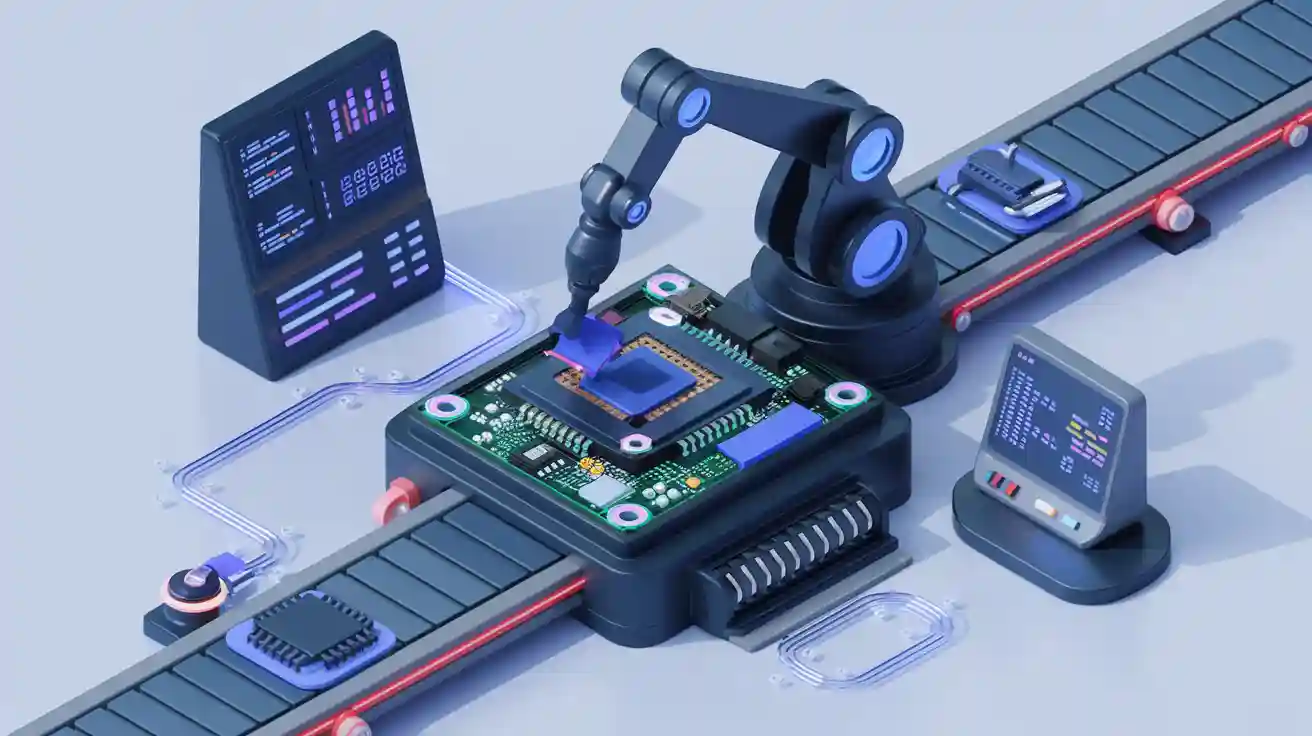
Turnkey PCB assembly makes manufacturing easier by combining many steps. You don’t need to manage different vendors or deal with delays. This method removes slow purchasing tasks and connects design, building, and assembly teams. It speeds up production, helping industries like electronics and medical devices. Businesses can launch products faster and stay ahead of competitors.
Key Takeaways
-
Turnkey PCB assembly makes manufacturing easier by handling design, parts buying, building, and testing in one process. This saves time and boosts efficiency.
-
Having one company do all steps cuts costs and avoids mistakes. Businesses can spend less and focus on other key jobs.
-
Turnkey services check quality carefully at every step. This creates dependable products and gets them to customers faster.
What Is Turnkey PCB Assembly?
Definition and Overview
Turnkey PCB assembly is when one company handles everything. They take care of designing, buying parts, building, and testing circuit boards. Unlike older methods where you work with many suppliers, turnkey makes it simple by doing it all in one place.
This method has many benefits. It saves money, works faster, and keeps quality high. The company does all the work, so you can focus on other tasks. They also test everything carefully to make sure it’s perfect before sending it to you.
|
Aspect |
Description |
|---|---|
|
Definition |
Turnkey PCB assembly means one company handles the whole process. |
|
Benefits |
Saves money, works faster, and keeps quality high. |
|
Process Involved |
Includes designing, buying parts, building, and testing. |
|
Comparison to Traditional |
Turnkey is simpler because it doesn’t need many suppliers. |
|
Quality Assurance |
Everything is tested carefully before delivery to ensure quality. |
Key Components of Turnkey PCB Assembly
Turnkey PCB assembly uses important tools and files to make the process smooth. These include plans, drawings, and instructions for making the circuit boards.
|
Key Component |
Description |
|---|---|
|
Gerber Files |
Files with all the details needed to make the PCB. |
|
Centroid Data File |
Shows where and how parts should be placed on the board. |
|
Clear Assembly Drawing |
Gives details like sizes and special instructions for making the board. |
|
Bill of Materials (BOM) |
A list of all the parts needed, with part numbers and suppliers. |
Other important tools include:
-
ODB++: A file format with all the circuit board details.
-
Stack-up Drawing: Explains the thickness and layers of the board.
-
Schematic Drawings: A picture showing how the circuit works.
-
3D Files: Helps check where parts go on the board.
-
Special Assembly Instructions: Explains any extra steps like soldering.
These tools help make the process fast and accurate, reducing mistakes and delays.
How Turnkey PCB Assembly Differs from Traditional PCB Assembly
Turnkey PCB assembly is very different from older methods. With traditional assembly, you have to work with many suppliers for designing, buying parts, and testing. This can cause delays, mistakes, and higher costs.
Turnkey services fix these problems by letting one company do everything. They handle buying parts, building, and testing the boards. This way, there are fewer mistakes, and the quality is better.
Here’s a quick comparison:
|
Aspect |
Traditional PCB Assembly |
Turnkey PCB Assembly |
|---|---|---|
|
Vendor Management |
You need to work with many suppliers. |
One company handles everything. |
|
Efficiency |
Slower because of separate steps. |
Faster because everything is done together. |
|
Quality Control |
Quality can change with different suppliers. |
Quality stays high with one company in charge. |
|
Cost |
Costs more because of delays and extra steps. |
Costs less because it’s all done in one place. |
Turnkey PCB assembly saves time, lowers costs, and makes better products. It’s a great choice for businesses that want to make things easier and get products ready faster.
How Turnkey PCB Assembly Simplifies Manufacturing
Streamlined Processes and Workflow
Turnkey PCB assembly makes manufacturing easier by combining all steps. Instead of working with many vendors, one company does it all. This removes extra handoffs and keeps everything running smoothly.
For example, the provider handles everything, like buying parts and testing boards. This saves time spent talking to different suppliers and avoids mistakes. The result is faster and more efficient production.
Here’s how turnkey PCB assembly helps in real-life cases:
|
Industry |
Benefit Description |
|---|---|
|
Consumer Electronics |
Faster product launches by using a single service provider. |
|
Medical Devices |
Small-batch PCBs made with high quality at good prices. |
By combining steps, turnkey PCB assembly saves time and keeps quality steady. It’s a great choice for businesses needing quick results without losing quality.
Centralized Communication and Vendor Management
Handling many vendors can be very hard. Each supplier has its own rules and timelines, causing delays. Turnkey PCB assembly fixes this by managing everything in one place.
With turnkey services, you talk to just one person for the whole process. This reduces mistakes from miscommunication and keeps everything on track. It also ensures all parts meet your project needs.
When you pick turnkey services, communication becomes simple. You don’t need to follow up with many vendors or match schedules. The turnkey provider takes care of it, so you can focus on other work.
Reduced Risk of Errors and Delays
Turnkey PCB assembly lowers mistakes and delays by keeping all steps together. Using many suppliers can lead to errors from mismatched timelines or uneven quality. Turnkey services solve this with strict quality checks at every step.
Key quality measures include:
-
Combining steps to reduce mistakes from multiple vendors.
-
Using automated inspections and tests to ensure good quality.
-
Speeding up production by simplifying processes.
-
Keeping everything consistent with one team in charge.
By cutting down communication problems and keeping high standards, turnkey PCB assembly ensures your boards are made right. This improves product reliability and avoids costly delays.
Key Benefits of Turnkey PCB Assembly
Saving Money by Combining Steps
Turnkey PCB assembly saves money by using one provider for everything. Instead of hiring many vendors for design, parts, and testing, you use just one. This cuts extra costs like shipping, delays, and managing multiple suppliers.
For example, turnkey providers buy parts in large amounts, lowering costs. They also make production smoother, reducing waste and fixing fewer mistakes. These steps help save a lot of money on your project.
Faster Product Development
Turnkey PCB assembly speeds up how quickly products are made. By combining design, building, and testing, it avoids delays from using different vendors.
Quick-turn PCB services can make boards in just 24 hours. Normal production takes 5 to 10 days, while older methods take weeks.
|
Production Time |
What It Means |
|---|---|
|
24 hours |
Fastest time to make a PCB |
|
5-10 days |
Usual time for quick-turn production |
|
Weeks |
Time needed for older methods |
This speed helps you launch products faster and stay ahead in the market.
Better Quality and Testing
Turnkey PCB assembly ensures high-quality boards with careful testing at every step. Providers use advanced tests to find and fix problems early.
|
Testing Type |
What It Does |
Why It Helps |
|---|---|---|
|
Uses special tools to check the board’s connections. |
Fast and good for making many boards. |
|
|
Flying Probe Testing |
Tests boards without needing custom tools. |
Great for small batches or prototypes. |
|
Functional Testing |
Checks if the board works in real-life situations. |
Finds problems before shipping. |
These tests make sure your boards work well and meet all requirements, lowering the chance of defects.
Works for Any Project Size
Turnkey PCB assembly can handle projects big or small. Whether you need a few boards or a lot, they adjust to your needs.
|
Feature |
What It Means |
|---|---|
|
Customization |
Services are tailored to fit your project. |
|
Flexibility |
Can handle both small and large orders. |
|
Works for prototypes and large-scale production. |
This flexibility lets your production grow as your business expands.
Turnkey PCB Assembly vs. Traditional PCB Assembly

Vendor Management and Coordination
Handling many suppliers in traditional PCB assembly is tough. Each supplier works on their own schedule, causing delays and confusion. Turnkey PCB assembly fixes this by giving you one contact for everything. You don’t need to manage designers, parts suppliers, or testing teams separately.
The turnkey provider does it all—buying parts, building, and testing boards. This makes communication easier and keeps everything on track with your timeline. The table below shows how vendor management differs:
|
Aspect |
Turnkey PCB Assembly |
Traditional Separated Processes |
|---|---|---|
|
Cost |
Higher upfront costs, fewer hidden fees, saves money long-term |
Lower upfront costs, more hidden fees, higher long-term costs |
|
Time Efficiency |
Faster production, quicker fixes, shorter lead times |
Slower production, delayed fixes, longer lead times |
|
Quality Outcomes |
Consistent quality, early error checks, clear responsibility |
Mixed quality, late error checks, unclear responsibility |
Cost and Time Efficiency
Turnkey PCB assembly saves both time and money. It combines all steps into one process, so you don’t need to manage multiple suppliers. This reduces extra work, avoids delays, and speeds up production.
For example, turnkey providers fix problems quickly. They don’t wait for other vendors to respond. Buying parts in bulk lowers costs, and doing steps at the same time speeds up production.
|
Benefit |
Description |
|---|---|
|
Single Point of Contact |
One supplier handles engineering, quality, and management tasks. |
|
Streamlined Logistics |
No need to coordinate parts and boards between vendors. |
|
Quicker Problem Resolution |
Problems are fixed fast since all steps are done together. |
|
Combined steps and quick feedback make production faster. |
Quality Assurance and Accountability
Turnkey PCB assembly keeps quality high by managing every step. The provider handles everything, from buying parts to testing finished boards. This lowers mistakes and ensures your boards meet all requirements.
Traditional methods can have uneven quality because different vendors do separate tasks. Turnkey services solve this with strict checks at every stage. Advanced tests, like in-circuit and functional testing, find problems early. This makes products more reliable and avoids expensive fixes later.
Choosing turnkey PCB assembly gives you a trusted partner who ensures your boards are high-quality and delivered on time.
Turnkey PCB assembly makes manufacturing easier and more efficient. It lowers costs, speeds up production, and delivers great quality.
💡 Tip: Picking turnkey PCB assembly removes vendor problems and lets you focus on new ideas.
Try this method for your next project to get quicker results and improved products.
FAQ
What industries benefit the most from turnkey PCB assembly?
Turnkey PCB assembly helps industries like consumer electronics, medical devices, automotive, and aerospace. It allows fast production, keeps quality high, and adjusts to different needs.
Can turnkey PCB assembly handle small production runs?
Yes, turnkey PCB assembly works for small orders. It’s great for prototypes or low-volume projects while staying affordable and keeping quality steady.
How does turnkey PCB assembly ensure quality?
Turnkey providers use smart tests like in-circuit and functional testing. These tests find problems early, making sure circuit boards are reliable and high-quality.
💡 Tip: Ask your turnkey provider about their testing methods to confirm they meet your project’s needs.