How to Choose the Right Electronic Component Distributor for Your Manufacturing Needs
Choosing the right electronic component distributor helps your manufacturing do well. You should match what you need with what the distributor can do. Look for reliability, good product quality, and helpful support.

Choosing the right electronic component distributor helps your manufacturing do well. You should match what you need with what the distributor can do. Look for reliability, good product quality, and helpful support. A good electronic components distributor knows what you need and gives you value every time. Use clear rules to help you pick the best distributor. This makes your choice easier and better.
Key Takeaways
-
Make sure you know what parts you need. This means knowing the types, specs, amounts, and how soon you need them. Doing this helps you avoid expensive mistakes.
-
Check if the distributors have the right certificates. Look at their reputation and past work. This helps you know if they give real, good parts and can be trusted.
-
Pick distributors who keep track of their inventory well. They should also have real-time tracking. This helps your production go smoothly and not get delayed.
-
Find suppliers who help you in different ways. They should deliver fast and let you return things easily. This lowers risks and keeps service good.
-
Choose distributors who are good with money and work all over the world. They should have many products. This helps you build a strong supply chain that can last a long time.
Define Your Needs
Before you pick an electronic components distributor, you need to know what you want. This step helps you not make expensive mistakes. It also makes sure your manufacturing works well.
Component Types & Specs
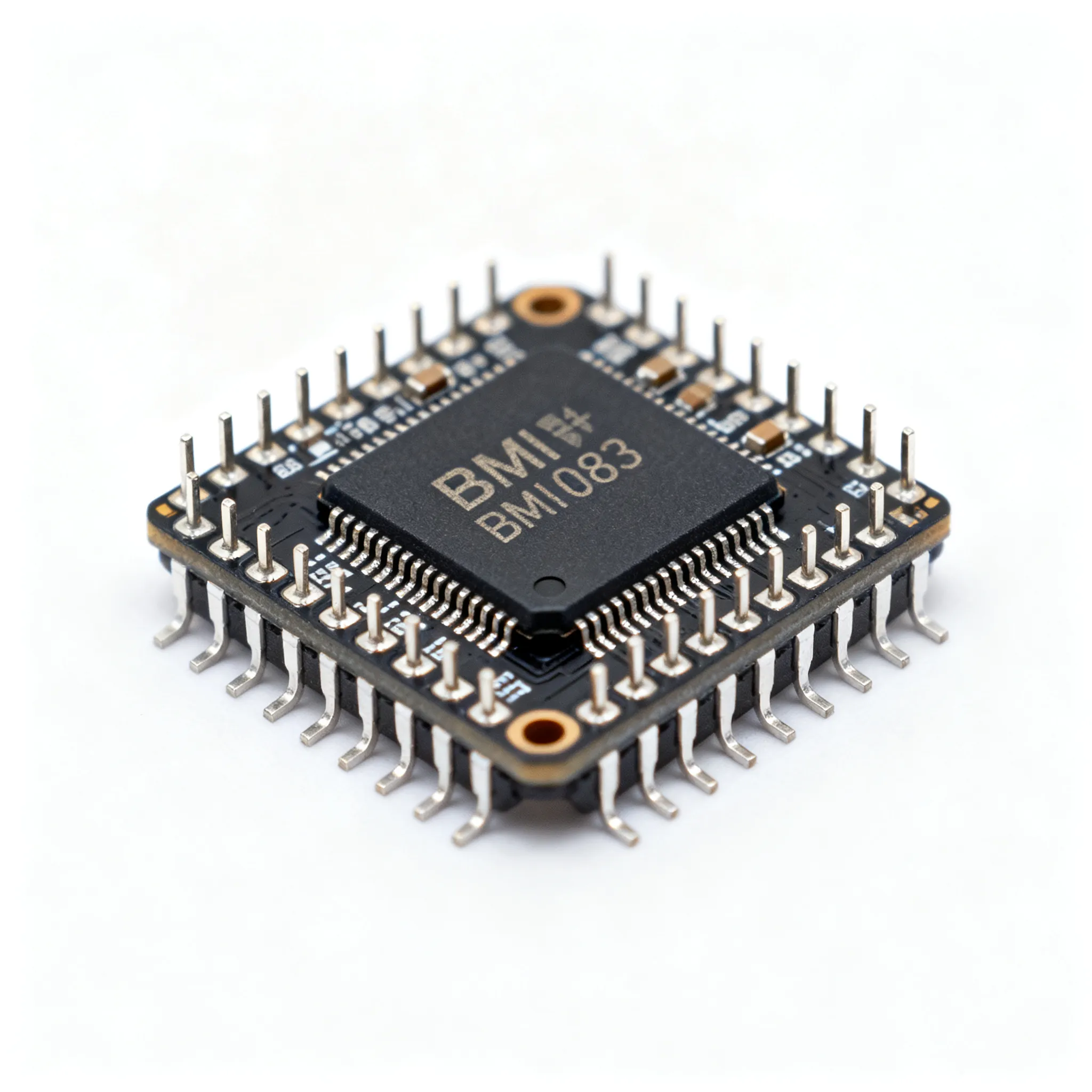
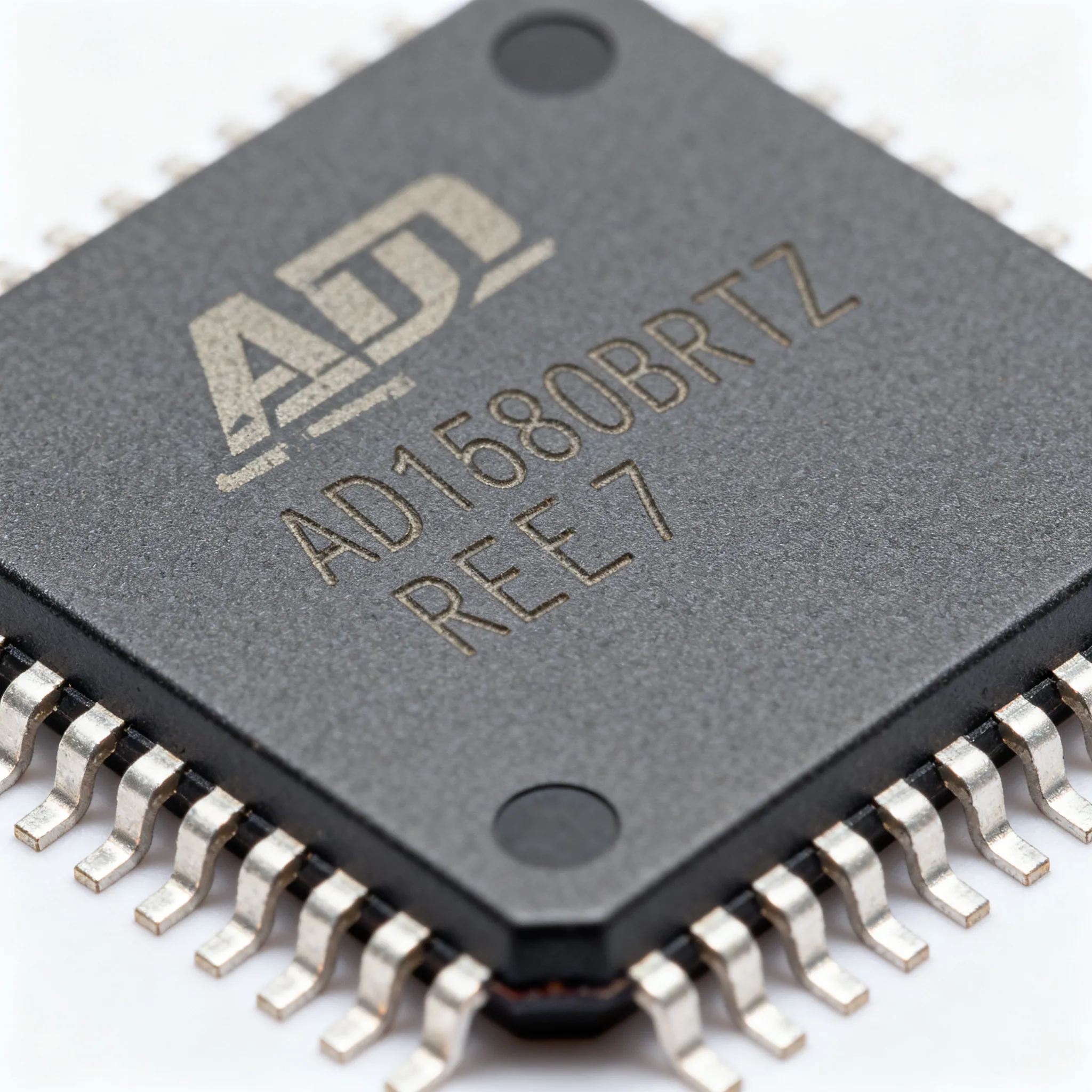
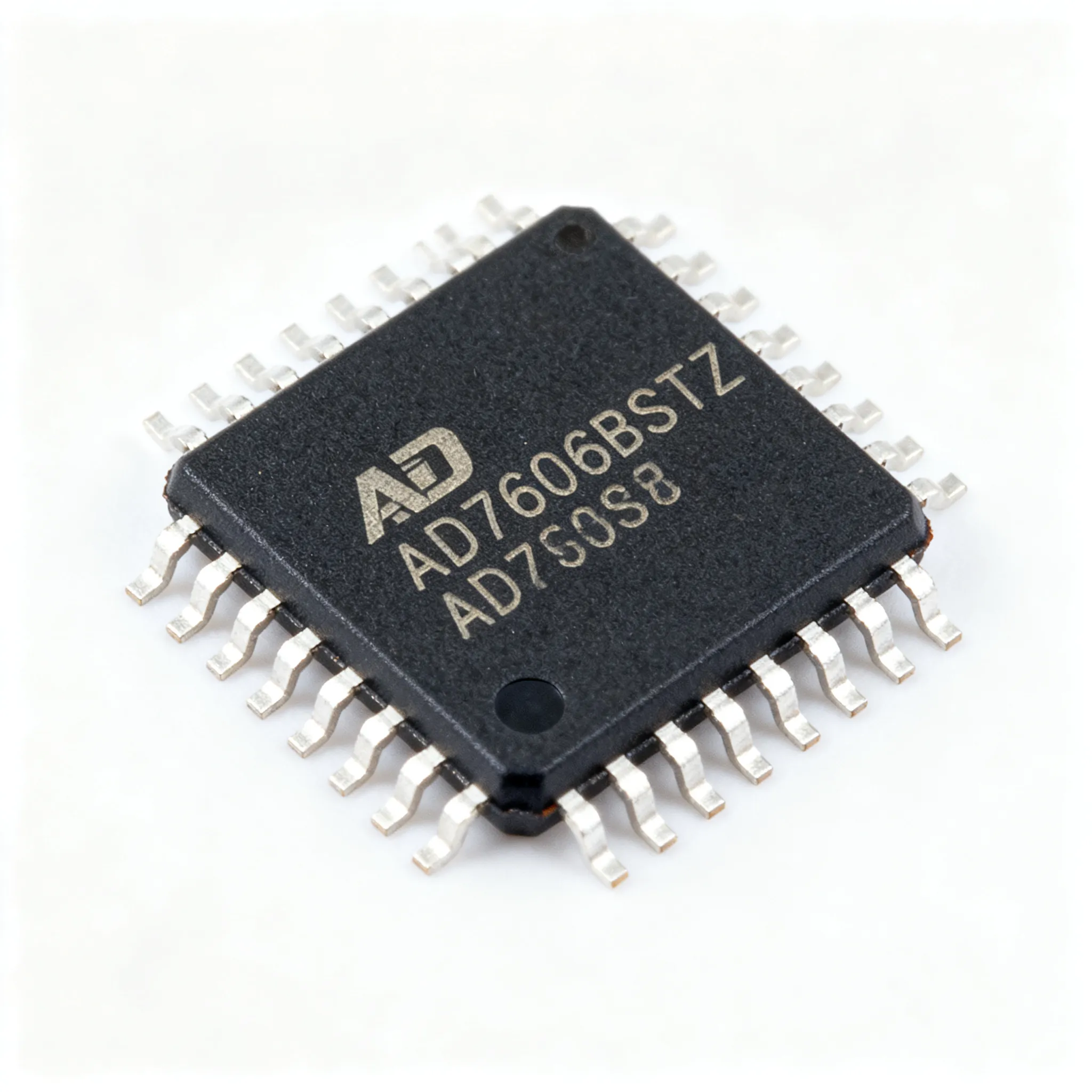
First, write down the parts you need. Each part should fit your technical and quality needs. Use industry rules to help you choose. For example, IPC standards tell you what to look for in printed circuit boards, cable harnesses, and assembly work.
|
Component/Specification |
IPC Standard(s) |
Key Criteria |
|---|---|---|
|
PCB Quality & Construction |
IPC-A-600 |
Board thickness, copper weight, hole quality |
|
Assembly Quality & Workmanship |
IPC-A-610 |
Soldering quality, placement, workmanship |
|
PCB Layout & Footprint |
IPC-D-275 |
Spacing, pad sizes, routing clearances |
You should also see if the parts work with your current systems. Think about upgrades you might need later. Good electronic component suppliers help you match the specs to your needs.
Quantities & Lead Times
Figure out how many parts you need and when you need them. Lead times can change because of the market. For example, the Q2 2025 Electronic Component Lead Time Report says general-purpose parts have steady lead times. But AI parts like DDR4/DDR5 and FPGAs take longer and cost more.
Tip: Parts with tight tolerances or special features can take longer to get. Order early so you do not have to wait.
A good electronic components distributor helps you keep track of inventory. They also help you deal with changes in the supply chain.
Certifications & Brands
Pick parts and distributors with the right certifications. Look for ISO 9001:2015, SAE AS6081, and RoHS compliance. These show they care about quality and stopping fake parts.
When you check electronic component suppliers, see if they are in authorized distributor networks. This helps you get real parts with a warranty. Always pick brands that people trust for being strong and lasting.
Note: Certifications and authorized networks keep your business safe from fake parts. They also help your business do well for a long time.
Research Potential Suppliers
When you look for suppliers, use many sources. This helps you find the best electronic components distributor for your needs. It lets you compare choices and make smart decisions.
Online & Industry Sources
Online electrical parts distributors have many different components. You can check prices and read about each part. Customer reviews and ratings are easy to find. These help you see which suppliers are good. You can also learn about shipping speed and customer support.
-
Online electrical parts distributors have more parts than local stores.
-
You can compare prices from many suppliers fast.
-
Technical datasheets and specs are easy to find online.
-
Customer reviews and ratings show if a supplier is reliable.
-
You can shop anytime, anywhere, without going to a store.
Industry sources like trade groups and directories help you find trusted electronic components distributors. These sources list suppliers with good manufacturer reputation and strong records.
Note: Industry reports use careful research to check online and industry sources. They get data from experts, company reports, and official records. This makes sure you get true and trustworthy information when you research electronic component distributors.
Example - NOVA as a Trusted Source
NOVA is a trusted electronic components distributor. Many manufacturers pick NOVA because it has a good manufacturer reputation. NOVA offers many products and reliable service. Its online platform lets you check if parts are in stock. You can compare prices and see technical specs. There are also many good customer reviews and ratings. These show NOVA cares about quality and support.
Reputation & Track Record
Always check the reputation and track record of each electronic components distributor. A good reputation means the distributor meets quality standards and delivers on time. You can check this in many ways:
-
Check supplier performance, like on-time delivery and defect rates.
-
Read customer reviews and testimonials to learn about communication and problem-solving.
-
Ask for references and talk to current or past clients.
-
Schedule a call or meeting to see how the distributor answers your questions.
Customer reviews and ratings give real feedback about product quality and service. A distributor with a good manufacturer reputation will have many good reviews. They will also have a history of meeting customer needs. You can also check social media and business sites for more feedback.
Industry Recognition and Client Portfolio
Industry recognition means a distributor is respected in the market. Look for awards, certifications, and mentions in industry reports. A strong client portfolio means the distributor has worked with many manufacturers. This experience helps you trust the distributor. It also means they can handle your orders and fix problems fast.
Global Reach & Associations
A good electronic components distributor should have a global reach. This means they can get parts from many places and deliver to you. Global distributors often have more stock and faster shipping.
-
Check if the distributor is part of industry associations.
-
Look for international offices or partnerships.
-
See if they can ship to your country or region.
A distributor with global reach and strong industry ties can help you avoid supply chain problems. They also know how to deal with different rules and standards.
International Presence and Industry Affiliations
International presence means the distributor can help customers all over the world. Industry affiliations show the distributor follows best practices and learns about new trends. You should pick a distributor with both. This gives you more choices and better support.
Evaluate Electronic Component Distributor Reliability
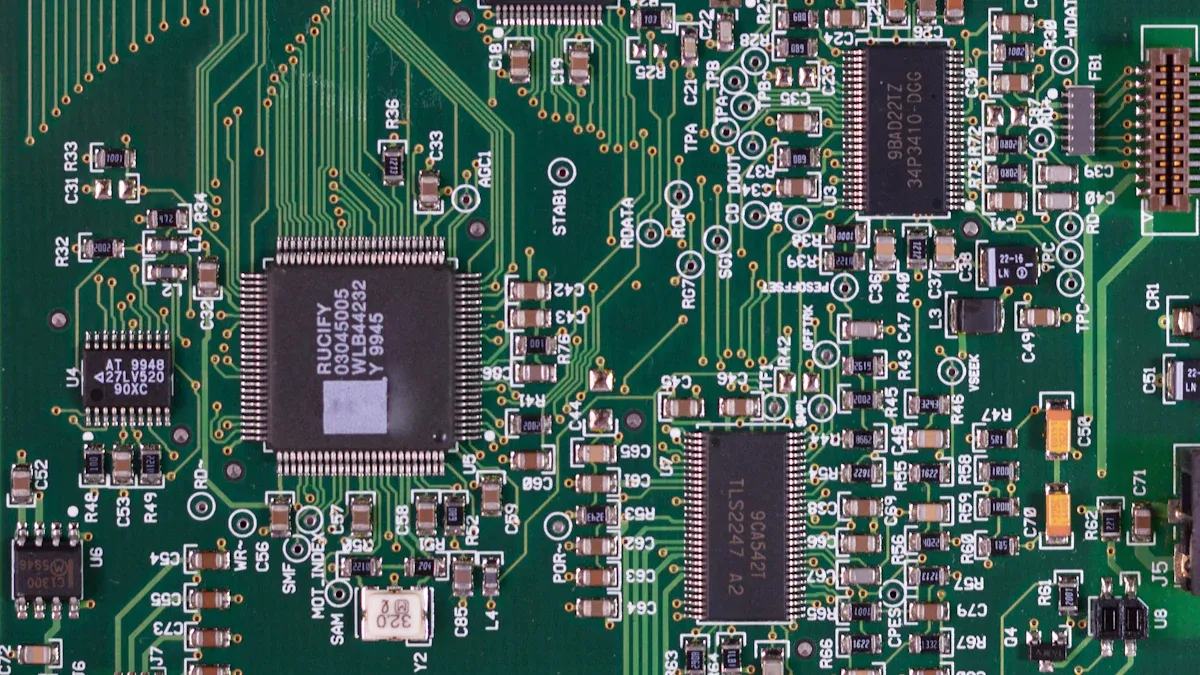
When you pick an electronic component distributor, you need to check if they are reliable and have good quality control. You want to get good parts every time. Here are some ways to check if a distributor is reliable and has good quality.
Product Authenticity & Quality
You must make sure all the parts you buy are real and meet your needs. Top distributors use strong quality checks to stop fake or bad parts. For example, A2 Global Electronics uses the A+ SMART Quality-Control Process. This process checks parts in many ways. They look at risk, keep a list of good parts, watch for problems, track every item, and use ERAI & GIDEP screening. They follow steps like checking suppliers, looking at parts, studying results, sharing reports, and fixing problems to keep quality high.
Industry groups say these ways work well. APQC gives research and stories that show strong quality checks help companies get good parts and keep their supply chains safe. The IPC Study gives data from 59 electronics companies around the world. It talks about defect rates, how happy customers are, how well suppliers do, and what certifications they use. These studies show that using good quality tools and certifications makes quality and reliability better.
Tip: Always ask your distributor how they check parts and handle risks. This helps you see if their quality checks are good and keeps your business safe from big mistakes.
Certifications & Compliance
Certifications show a distributor cares about quality. Always check for ISO 9001:2015, AS9100D, AS9120B, AS6081, and ANSI/ESD S20.20-2014. These prove the distributor follows strict rules for quality and risk. For example:
-
AS9100D and AS9120B add extra rules for aviation, space, and defense. They help stop fake parts.
-
ISO 9001:2015 shows the distributor has a strong quality system.
-
AS6081 helps stop fake parts, mostly in defense and aerospace.
-
ANSI/ESD S20.20-2014 protects parts from static electricity.
-
FAA AC 00-56B and DLA Land and Maritime QSLD show top controls and tracking.
These certifications lower the chance of getting fake parts and help the supply chain work better. They also help you feel sure the parts are real and good. Quality certifications help save money by stopping delays and returns. They also protect your brand and help you get better over time.
Note: Always check certifications before you pick a distributor. This step helps you feel sure about their reliability and quality.
Traceability & Transparency
Traceability means you can follow each part from the start to your door. Transparency means you can see every step in the supply chain. Both are important for trust and reliability. Many studies show that better traceability and transparency mean fewer mistakes and delays.
|
Study (Author, Year) |
Industry |
Supply Chain Stages |
Evidence Type |
Key Findings Related to Distributor Reliability |
|---|---|---|---|---|
|
Brookbanks and Parry (2022) |
Beverage |
Distribution |
Case study |
Blockchain improved trust and reliability. |
|
Bumblauskas et al. (2020) |
Food |
Sourcing, Manufacturing, Distribution, Customers |
Use case |
Blockchain enabled accurate, transparent goods movement, reducing errors. |
|
Carlan et al. (2022) |
Transportation |
Distribution |
Modeling and case study |
Cost and benefit improvements, reduced delays. |
|
Liu et al. (2021) |
Pharmaceutical |
Sourcing, Manufacturing, Distribution, Customers |
Case study |
Improved transparency and security, supporting reliable distribution. |
|
Tönnissen and Teuteberg (2020) |
Multiple |
Sourcing, Manufacturing, Distribution, Retail, Customers |
Collection of 10 use cases |
Blockchain enhanced transparency and trust, supporting reliability. |
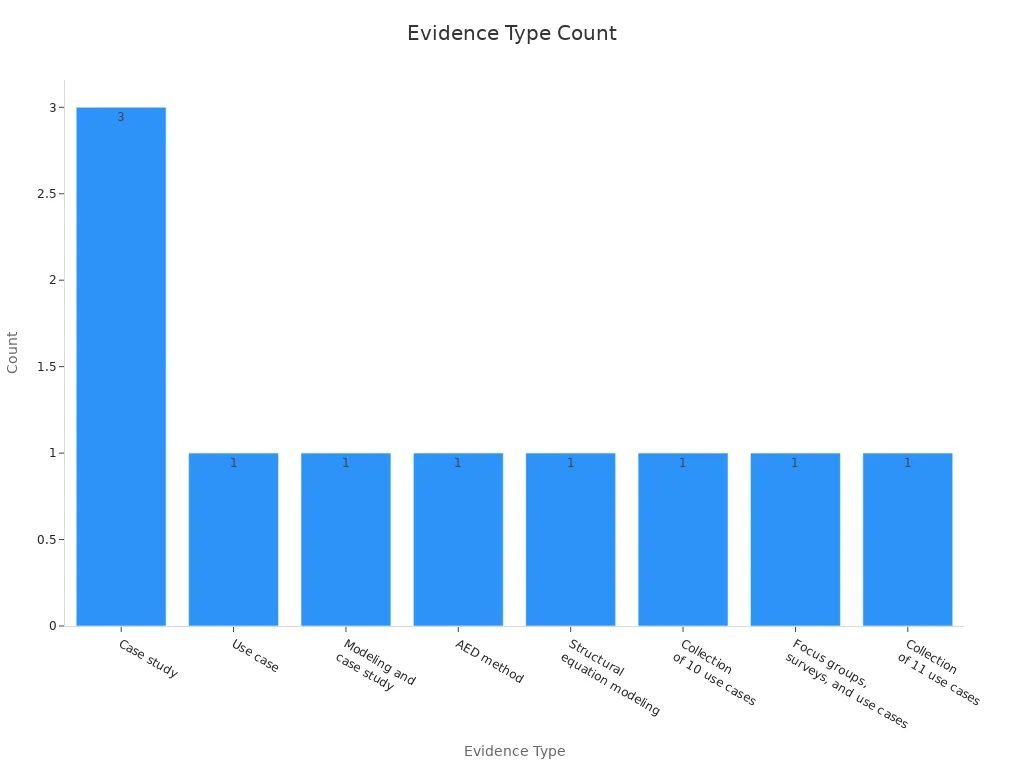
A Deloitte survey found only 18% of companies can see all risks with their main suppliers. Even fewer can see risks further down the chain. Blockchain can help bring back trust and make it easier to find problems early. In one case, a salmonella outbreak in pre-cut melons took weeks to trace. With better traceability, the problem could have been fixed faster, saving time and money.
Callout: Ask your distributor how they track and report each part. Good traceability and transparency help you avoid big problems and keep your supply chain strong.
Inventory Management
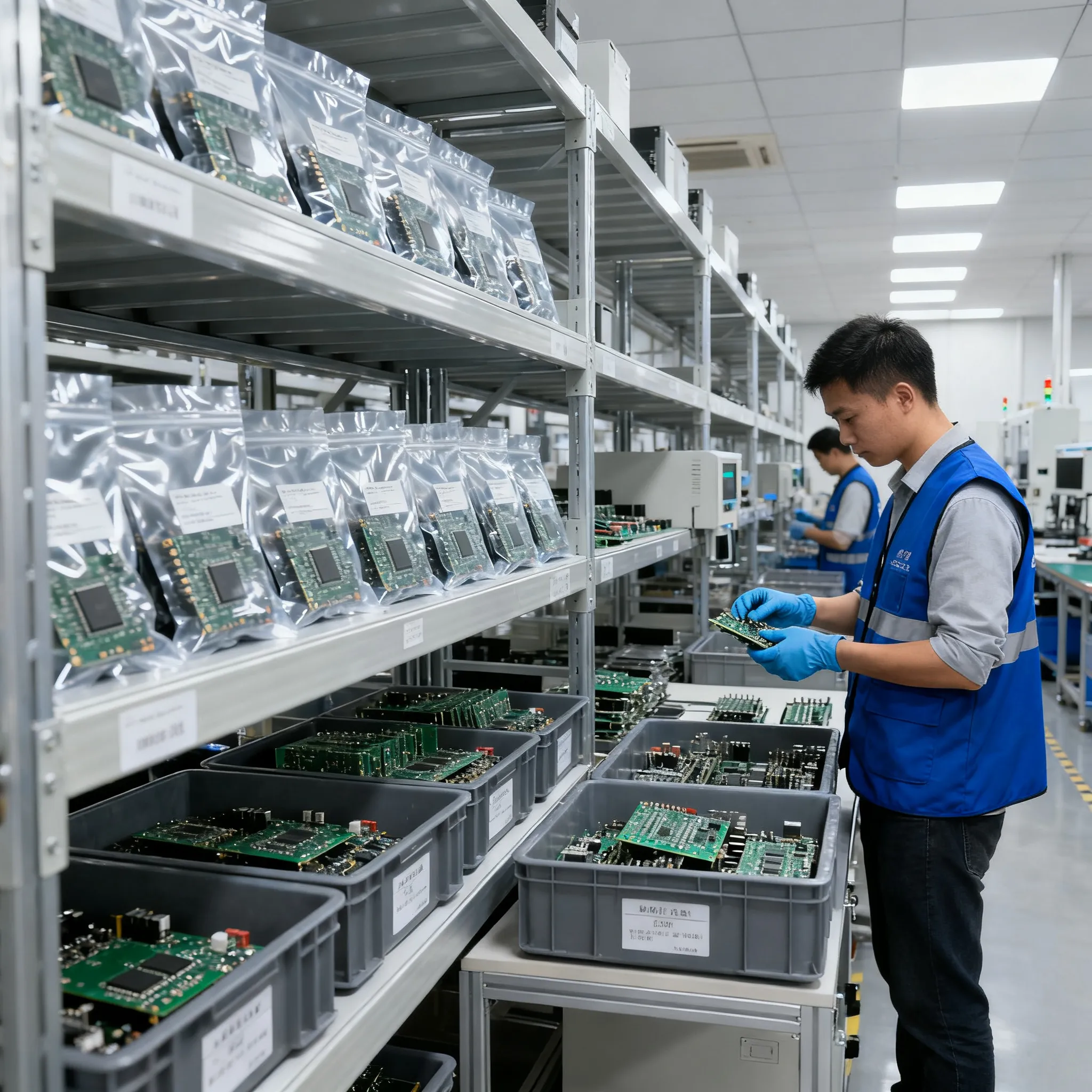
Good inventory management means you always have the parts you need. Check if your distributor uses real-time systems and smart tools. Special inventory software lets you see stock at all locations right away. It uses analytics and machine learning to find trends and guess what you will need. This helps you not run out or have too much.
Look at these key numbers to check inventory quality:
-
Inventory Turnover Ratio: Shows how often stock is sold and replaced. High turnover means things move fast.
-
Average Daily Usage (ADU): Helps set when to reorder and how much extra to keep.
-
Order Accuracy: Shows how many orders are right and on time. Try for over 95% accuracy.
-
Stock-to-Sales Ratio: Compares stock to sales to spot too much inventory.
-
Carrying Cost Percentage: Shows how much it costs to keep inventory. Lower costs mean better efficiency.
Other important numbers are inventory accuracy, stockout rate, average order picking time, and days inventory on hand. Distributors who watch these numbers can change fast when demand or supply changes. They also use automation, robots, and IoT devices for better control.
Tip: Pick a distributor who shares real-time inventory data and uses smart tools. This helps you always have what you need and plan ahead.
Compare Pricing & Support

Pricing & Payment Terms
Always check prices from different distributors. Some give discounts if you buy a lot. Others have special prices for loyal customers. Ask about payment rules before you order. Some let you pay later, but others want money first. Flexible payment rules help your business run better. Good prices and fair payment rules help you trust your supplier. When you trust them, you might get better deals and faster help.
Technical & After-Sales Support
Good technical support is very important. You need a distributor who answers fast and fixes problems quickly. Look for live chat, phone, and email help. Some distributors have engineers to help you pick parts or solve problems. After-sales help matters too. If a part does not work, you want help right away. Good service builds trust and keeps your work on track. When you get strong help, you feel sure about your supplier.
Delivery & Return Policies
Fast and correct delivery keeps your work on time. Check if you can track your order and see shipping choices. Always read the return rules before you buy. Easy and fair returns save you time and worry. Studies show good returns make people happier with their supplier. If returns are planned, people feel better about the company. Unplanned returns can make people upset. A distributor with good delivery and return rules helps you avoid problems and keeps your supply chain strong.
Tip: Pick a distributor with easy delivery and return rules. This helps you lower risks and keep good service.
Select Electronic Component Suppliers for Long-Term Success
Financial Stability
You need to check if each supplier is financially healthy. A stable supplier can help your business during tough times. You can use different financial signs to check stability:
-
Credit-limit use between 30% and 50% is a good sign. Lower use often means better deals.
-
Debt-to-limit ratios show if there is a risk. High ratios can mean trouble.
-
Distributors use many credit lines to keep good scores.
-
High credit use may mean more risk and can change loan choices.
-
Credit reports help you watch credit use and spot problems early.
-
Big credit limits let suppliers borrow more money if needed.
-
Risk models use numbers and expert ideas to set credit limits.
-
New customers get small credit lines at first. This helps suppliers watch payments and lower risk.
-
Lenders use mid-market data to compare and set loans.
-
High credit use can mean a higher chance of not paying, so lenders may change rules or lower limits.
You should also check credit scores from companies like Creditsafe. These scores use many facts to guess if a supplier might fail. Automated checks help you watch scores all the time. This lets you act fast if a supplier’s money situation changes. Manual checks take longer and may miss quick changes. Always look at financial statements and credit ratings to make sure they are reliable. When you check supplier experience, you learn how they handle money problems.
Tip: Ask for recent financial reports and credit ratings before you pick suppliers. This helps you avoid surprises and keeps your supply chain safe.
Flexibility & Adaptability
You want a supplier who can change when you need it. Flexibility helps you keep making products, even if the market changes or parts are hard to find. Many top suppliers use new tech and smart plans to stay flexible:
-
Artificial intelligence helps manage the supply chain. Many companies use AI now.
-
Suppliers update their buildings with new hardware and software.
-
They help you by changing fast to new needs.
-
Aerospace and defense companies use flexible supply chains and digital tools to handle more orders.
-
Digital tech gives better views of the supply chain and helps suppliers work faster.
-
Suppliers use many sources, sign new deals, and do some work themselves to stay strong.
-
Open market distributors find parts from many places, like extra stock and OEMs. They help you get rare parts during shortages.
-
These suppliers can change fast when the market changes, so you do not lose time.
-
Services like quality checks, fake part checks, and safe shipping build trust.
-
Flexible BOM services let you change your order as your project changes.
-
Special account teams help you change sourcing plans quickly.
-
Digital tools and APIs let you update BOMs and get new quotes fast.
-
Suppliers suggest second sources or cross-references to lower risk.
-
Cloud BOM platforms let you update and react quickly.
You get less downtime, faster design changes, and a stronger supply chain. When you check supply chain strength, look for suppliers who use these tools and plans. They should offer just-in-time delivery, technical help, and extra services like design help or making prototypes. Global reach and local help are important too. These things help you react to changes and keep your projects going.
Callout: Pick a supplier who can change fast and help you grow. Flexibility and adaptability keep your business strong when things change.
Product Range & Alternatives
A big product range gives you more choices and helps you avoid delays. The best suppliers have many parts, even rare or old ones. This helps you keep making products, even when parts are hard to find.
-
Global networks help suppliers get parts, even when there are problems.
-
Custom inventory plans and special packaging fit your needs.
-
Advanced systems show real-time stock and keep extra parts ready.
-
Suppliers with many brands and lines help you choose better.
-
You save time by buying from one supplier instead of many.
-
If a part is not available, suppliers can suggest other options or cross-references. This stops delays and keeps your supply chain working.
You should talk to your supplier about future product plans and old parts. Ask how they handle parts that will not be made anymore and what options they have. This planning helps you avoid last-minute problems and keeps your work steady.
Note: Work with a supplier who has a big product range and can suggest other options. This helps you succeed for a long time and builds a strong partnership.
Picking the right electronic component distributor helps your factory do well. You need to check if they have good quality, are reliable, and give support. Use clear rules to help you decide. ISO certifications, strong technical help, and fast delivery keep your business safe from big mistakes. Use these important numbers as your checklist:
|
Criterion |
Target Benchmark |
Importance |
|---|---|---|
|
Defect Rate |
Ensures product quality and reduces failures |
|
|
Customer Satisfaction |
Above 90% |
Indicates service quality and loyalty |
|
Supplier Reliability |
On-time delivery > 95% |
Minimizes production delays |
|
Lead Times |
2-5 days |
Critical for meeting deadlines |
|
Complaint Resolution |
Under 48 hours |
Builds customer trust |
|
Repeat Business Rate |
Increase by 30% |
Reflects long-term satisfaction |
If you follow a careful plan, you can build strong partnerships. This also helps your supply chain work well all the time.
FAQ
What certifications should you look for in an electronic component distributor?
Look for ISO 9001, AS9120, and RoHS certifications. These show the distributor follows important quality and safety rules. Certified distributors help you stay away from fake parts. They also keep your supply chain safe.
How do you verify a distributor’s reputation?
You can:
-
Read what customers say in reviews
-
Look for industry awards
-
Ask for references from other clients
Tip: Good distributors talk about their past work and answer your questions fast.
Why does inventory management matter when choosing a distributor?
Good inventory management helps you avoid running out of parts. Distributors with real-time tracking and smart tools keep your production moving. You can plan better and have fewer problems.
What should you do if a part becomes obsolete?
You should:
|
Step |
Action |
|---|---|
|
Contact distributor |
Ask for other options |
|
Check inventory |
Get any parts that are left |
|
Update BOM |
Add new approved parts |
Note: Planning early helps you stop production from getting stuck.