From Basics to Breakthroughs in Automotive Electronic Control Systems
You may not notice, but Automotive Electronic Control Systems run modern cars. These systems have changed how cars work, making them safer and smarter. For example, safety systems now lower rear-end crashes by 40%. They also reduce injuries from these crashes by 56%. Predictive maintenance, a key feature of Automotive Electronic Control Systems, helps cars break down less often by 50%. It also makes parts last 20-25% longer. These changes save lives and cut costs too. Each new idea keeps improving cars and their technology.
You may not notice, but Automotive Electronic Control Systems run modern cars. These systems have changed how cars work, making them safer and smarter. For example, safety systems now lower rear-end crashes by 40%. They also reduce injuries from these crashes by 56%. Predictive maintenance, a key feature of Automotive Electronic Control Systems, helps cars break down less often by 50%. It also makes parts last 20-25% longer. These changes save lives and cut costs too. Each new idea keeps improving cars and their technology.
Key Takeaways
-
Car electronic systems improve safety, cutting crashes by 40% and injuries by 56%.
-
Predictive maintenance stops cars from breaking down often. It reduces breakdowns by 50% and makes parts last 20-25% longer.
-
Entertainment systems now include maps and phone features, making driving fun and easy.
-
Advanced Driver Assistance Systems (ADAS) lower crash chances by 40%. They make driving safer with tools like crash prevention.
-
Cybersecurity is key for connected cars. It blocks cyber threats and keeps systems talking safely.
Early Foundations of Automotive Electronic Control Systems
The Start of Engine Control Units (ECUs)
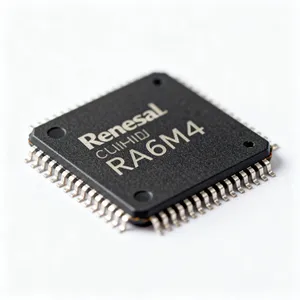
Engine Control Units (ECUs) changed how car engines worked. In the 1970s, they controlled carburetors to save fuel and cut pollution. By the 1980s, ECUs became key for fuel injection and ignition. They used Lambda control to balance air and fuel. This made engines run better and helped the environment.
As tech improved, ECUs did more jobs. In the 1990s, they handled car security and diesel engines, helping turbodiesel grow. By the 2000s, ECUs managed Drive-by-Wire and turbochargers with more accuracy. Today, ECUs do tasks like torque control and hybrid engine management. They use networks like CAN to link car systems smoothly.
Early Ideas in Fuel and Transmission Management
Fuel and transmission systems helped cars use less fuel. Early systems tracked fuel use, saving money for fleet owners. They also collected data to help make better choices.
Predictive maintenance was a big step forward. It studied car data to predict part failures. This stopped sudden breakdowns and made parts last longer. These ideas made cars work better and prepared for smarter car electronics.
How Basic Electrical Systems Helped Car Electronics
Basic electrical systems were the first step for car electronics. In the 1930s, vacuum tube radios were the first car electronics. By the 1960s, diodes improved alternators, and transistors made engines more reliable.
Better batteries and charging systems made cars safer and stronger. Centralized testing made sure all systems worked well together. These early electrical ideas helped build modern car electronics. They also showed how to save space and cut costs with new designs.
Integration and Connectivity in Automotive Electronics
Evolution of Infotainment Systems
Infotainment systems have changed a lot over the years. They started as simple radios but now work like smartphones. In the 2000s, touch screens replaced knobs and buttons. This made dashboards look cleaner and easier to use. Early systems were slow, but now they include navigation, climate control, and phone connections. Bluetooth, Wi-Fi, and LTE let you stream music and use live maps. These features make driving more fun and convenient.
Software like Android Automotive OS and QNX allows app downloads and updates. These systems also collect car data to improve safety and performance. By mixing entertainment with useful tools, infotainment systems are now a key part of cars.
Telematics and Vehicle-to-Everything (V2X) Communication
Telematics systems started with basic GPS but now do much more. They use real-time data to make driving safer. Features like collision avoidance helped 33.94% of the C-V2X market in 2023. OBD dongles check how your car is running and give updates.
V2X technology connects cars to roads, people, and other vehicles. It helps manage traffic and lowers accident risks. As more cars connect, V2X makes roads safer and cities smarter.
Connected Ecosystems in Modern Vehicles
Connected cars are changing how we drive. They make owning electric cars easier by managing charging and showing battery levels. These cars also plan routes to avoid traffic and save energy.
5G technology improves how cars talk to roads and other cars. This makes driving safer and more enjoyable. Connected systems also support eco-friendly travel by sharing rides and using clean energy. By turning live data into helpful tips, these systems make driving safer, greener, and easier.
Advancements in Autonomous Driving Systems
The Role of Sensors and Cameras in Automation
Sensors and cameras help self-driving cars see and stay safe. They act like the car's eyes, gathering details about the surroundings. Cameras on the windshield look for obstacles, people, and road signs. Surround-view cameras around the car help with parking by showing a 360-degree view. Driver monitoring cameras near the dashboard check if you're alert and healthy. This makes driving safer for everyone.
|
Equipment Name |
Location & Purpose |
Use |
Sensing |
Decide |
Command |
Example Use |
|---|---|---|---|---|---|---|
|
Sensing Camera |
Windshield; scans wide areas for safety. |
AD, ADAS |
✔ |
✔ |
✔ |
Lane-keeping, cruise control |
|
Surround View Camera |
Around car; shows 1 m around the car. |
ADAS |
✔ |
✔ |
✔ |
Parking help |
|
Driver Monitoring Camera |
Near dashboard; checks driver’s condition. |
AD |
✔ |
✔ |
✔ |
Driver alertness system |
These tools work with radar and lidar to map the area. By combining data, cars can navigate better and avoid accidents.
AI-Driven Decision-Making in Vehicles
AI helps cars make smarter choices. It uses data from sensors and cameras to spot people, dangers, and road changes. This helps cars adjust to traffic and drive safely. For example, AI helps with lane changes and speed control by quickly analyzing data. It also plans routes to avoid traffic and save time.
AI predicts traffic and spots risks early. This makes driving smoother and safer. Smart computers with AI monitor everything in real time. They improve your driving experience and keep you safe. Adding AI to cars makes them smarter and more dependable.
Understanding Levels of Vehicle Autonomy
Self-driving cars are grouped into levels based on how much they can do. These levels go from no automation to full self-driving.
|
Level |
Description |
Features |
|---|---|---|
|
0 |
No Automation |
Driver does everything manually. |
|
1 |
Driver Assistance |
One system helps, like cruise control. |
|
2 |
Partial Automation |
Car steers and speeds, but you watch it. |
|
3 |
Conditional Automation |
Car decides but needs human backup. |
|
4 |
High Automation |
Car drives itself in most cases. |
At Level 0, you control the car completely. Level 1 adds simple help, like cruise control. Level 2 lets the car steer and speed up, but you must stay alert. Level 3 allows the car to decide, but you might need to step in. At Level 4, the car mostly drives itself, showing the future of self-driving cars.
These levels show how car technology is improving. Higher levels mean safer and smarter transportation for everyone.
Electrification and the Role of Battery Management Systems
Battery Management Systems in Electric Vehicles
Battery management systems (BMS) are important for electric cars. They check and control how the battery works to keep it safe. A good BMS helps the battery last longer and use energy wisely.
New deep learning technology makes BMS even better. It can measure the battery's charge more accurately than older methods. This works well in tough conditions, like cold weather, with fewer mistakes. These improvements help cars save energy and work better in hard environments.
With advanced BMS, car makers can build more reliable vehicles. This technology keeps batteries in great shape and avoids sudden problems.
Integration of Power Electronics in Electrification
Power electronics are key to electric cars. They manage energy between the battery and motor for smooth driving. These systems change electricity into the right type for the motor, saving energy.
Inverters and converters are part of power electronics. Inverters turn battery power (DC) into motor power (AC). Converters adjust voltage for different car systems. Together, they make electric cars more efficient.
These systems also support regenerative braking. This saves energy when you slow down by storing it back in the battery. It improves efficiency and lets your car drive farther.
Overcoming Challenges in Electrification
Electric cars face problems, but new ideas are solving them. One issue is their short driving range. To fix this, better batteries store more energy in less space. This lets cars go farther.
Charging time is another problem. Fast chargers now refill batteries in minutes, not hours. Special cooling systems stop overheating during quick charging.
Electric cars can be expensive. Companies are lowering costs by using cheaper materials and smarter manufacturing. These changes make electric cars affordable and a good choice for the future.
Enhanced Safety Through Automotive Electronic Control Systems
The Evolution of ABS and ESC
Anti-lock Braking Systems (ABS) and Electronic Stability Control (ESC) make cars safer. ABS stops wheels from locking during sudden braking. This helps drivers stay in control. ESC keeps cars steady during sharp turns or on slippery roads. Together, they lower the chances of skidding or rolling over.
Studies show ESC has reduced deadly crashes. While its impact might be slightly overstated, fewer accidents happen with ESC-equipped cars. Tire Pressure Monitoring Systems (TPMS) also improve safety. They have cut tire-related crashes by 20%. These systems show how electronics make driving safer.
Advanced Driver Assistance Systems (ADAS)
Advanced driver-assistance systems (ADAS) are changing driving. Features like collision avoidance and emergency braking prevent accidents. Cars with ADAS have 40% fewer crashes than those without it.
ADAS is judged by safety, reliability, and ease of use. For example:
|
KPI Category |
Description |
Importance in Safety Assessment |
|---|---|---|
|
Safety |
Checks if ADAS prevents crashes and protects people. |
Ensures systems meet safety rules. |
|
Reliability |
Tests if ADAS works well in all conditions. |
Builds trust and shows it’s effective. |
|
User Experience |
Rates how easy and helpful the system is. |
Encourages drivers to use it more. |
|
Operational Efficiency |
Measures how well ADAS improves driving tasks. |
Shows how it boosts safety and performance. |
By 2030, half of all cars will have ADAS. Features like lane-keeping and emergency braking will make driving safer. These tools protect drivers and make driving easier.
Predictive Safety Features in Modern Vehicles
Predictive safety features spot dangers before they happen. Tools like emergency braking, lane assist, and cruise control reduce human mistakes. They also make cars more reliable.
For example:
-
Predictive systems catch 78% of part problems before they fail.
-
Roadside breakdowns have dropped by 62%.
-
Accidents from car issues are down by 47%.
-
Maintenance costs are 28% lower.
These features keep cars safe and running well. By fixing risks early, they make driving smoother and safer.
Cybersecurity in Automotive Electronics
Tackling Cybersecurity Threats
Cars are more connected, but this brings new dangers. Cyber-attacks on connected cars have grown quickly and become smarter. These attacks can steal private data, cause money loss, or even harm people. Between 2019 and 2020, car cybersecurity incidents rose by 99%. In 2022, attacks on car APIs jumped by 380%, making up 12% of all cases. One major attack on Toyota's supplier stopped production and affected many cars.
|
Study Title |
Key Findings |
|---|---|
|
Cybersecurity Testing for Automotive Domain: A Survey |
Shows risks from more connectivity and calls for better security tests. |
|
Vehicle Cybersecurity |
Explains NHTSA's research to solve car cybersecurity problems. |
|
A dataset for cyber threat intelligence modeling of connected autonomous vehicles |
Reports big increases in cyber-attacks on connected cars and the need for better defenses. |
These studies show why fixing car cybersecurity issues is so important.
Keeping Communication Safe
Safe communication systems protect car data from being changed or stolen. These systems make sure parts of the car share data securely. For example, the CAN protocol helps powertrain and safety systems work at 1 Mbps. Ethernet, used in self-driving and ADAS systems, works faster at 1 Gbps and keeps data safer.
|
Protocol |
Speed |
Application |
|---|---|---|
|
CAN |
1 Mbps |
Powertrain, safety systems |
|
LIN |
20 kbps |
Body control systems |
|
FlexRay |
10 Mbps |
Safety-critical applications |
|
MOST |
150 Mbps |
Infotainment |
|
Ethernet |
1 Gbps |
ADAS, autonomous driving |
Using these systems makes car communication faster and more secure.
Fighting Cyber Risks in Connected Cars
New tools help stop cyber-attacks on cars. Intrusion detection systems watch car networks for bad activity. One system, IIDS, found cyber-attacks with 99.47% accuracy using GoogLeNet. Another system, HAIDS, spotted harmful CAN traffic with over 90% accuracy.
|
Study Description |
Key Findings |
Methodology |
|---|---|---|
|
Intelligent Intrusion Detection System (IIDS) |
Found cyber-attacks with 99.47% accuracy using GoogLeNet. |
Used data from a car simulation and pre-trained CNNs. |
|
Cost-effective Intrusion Detection Scheme |
Beat other methods in accuracy, recall, and precision. |
Used a three-layer neural network with Softmax on simulated data. |
|
Hybrid Anomaly-based Intrusion Detection System (HAIDS) |
Found harmful CAN traffic with over 90% accuracy. |
Mixed rule-based and machine learning methods like decision trees. |
These tools show how technology can protect cars from growing cyber dangers.
The history of car electronic systems shows amazing growth. Early ECUs handled simple tasks like fuel injection. Now, advanced systems help cars drive themselves. These changes have made cars safer, more efficient, and smarter.
The future looks even more exciting. Experts say the automotive electronics market will grow big. It could rise from $53.2 billion in 2024 to $88.6 billion by 2030, growing 7.8% each year. New ideas like AI and edge computing will make systems faster and safer. As electric and self-driving cars become normal, ECUs will need strong cybersecurity.
-
Key future trends:
-
Better ECUs are vital for electric and self-driving cars.
-
AI is making cars smarter and safer to use.
-
New chips improve how cars work and stay secure.
-
Connected, electric, and self-driving cars are changing transportation. These technologies promise a safer, greener, and smarter future for everyone.
FAQ
What is an ECU, and why does it matter?
An Engine Control Unit (ECU) is like a car's brain. It controls things like fuel and engine timing. ECUs help cars run better, pollute less, and save energy.
How do sensors help self-driving cars?
Sensors work like a car's eyes. They spot objects, signs, and people. This helps the car decide when to stop or turn. Sensors keep driving safe and smooth.
Why are electric cars more efficient?
Electric cars use smart battery systems and power tools. These systems save energy, make batteries last longer, and reuse energy when braking.
How do connected cars make driving safer?
Connected cars share live data with roads and other cars. This helps avoid crashes, manage traffic, and warn about road dangers. These features make driving safer and easier.
Why is cybersecurity needed in today’s cars?
Modern cars use software and connect to networks. Cybersecurity stops hackers from messing with car systems. It also keeps your data safe and protects the car from harm.