Electronic Integrated Circuits and Their Critical Role in Today's Technology
Electronic integrated circuits are very important in today’s technology. An integrated circuit is small but very powerful. It controls things like smartphones, cars, and medical equipment.
Electronic integrated circuits are very important in today’s technology. An integrated circuit is small but very powerful. It controls things like smartphones, cars, and medical equipment. These electronic integrated circuits do hard jobs. They help devices become faster and smaller. Every ic helps technology work better and cost less. People notice this in things like smart home devices and medical monitors. Without an ic, many devices would not be here. Each ic gives technology the power to get better and help people every day.
Key Takeaways
-
Integrated circuits are small chips. They help control and process signals in many devices. This makes devices faster, smaller, and smarter.
-
There are three main types of integrated circuits. These are analog, digital, and mixed-signal. Each type has a different job in technology.
-
ICs have tiny parts like transistors and resistors. These parts work together to manage electricity and data inside devices.
-
Integrated circuits are used in many areas. They are in consumer electronics, cars, healthcare, telecommunications, energy, and the Internet of Things.
-
In the future, ICs will get smaller, cheaper, and smarter. AI and new materials will help make technology even better.
What Are Electronic Integrated Circuits
Definition
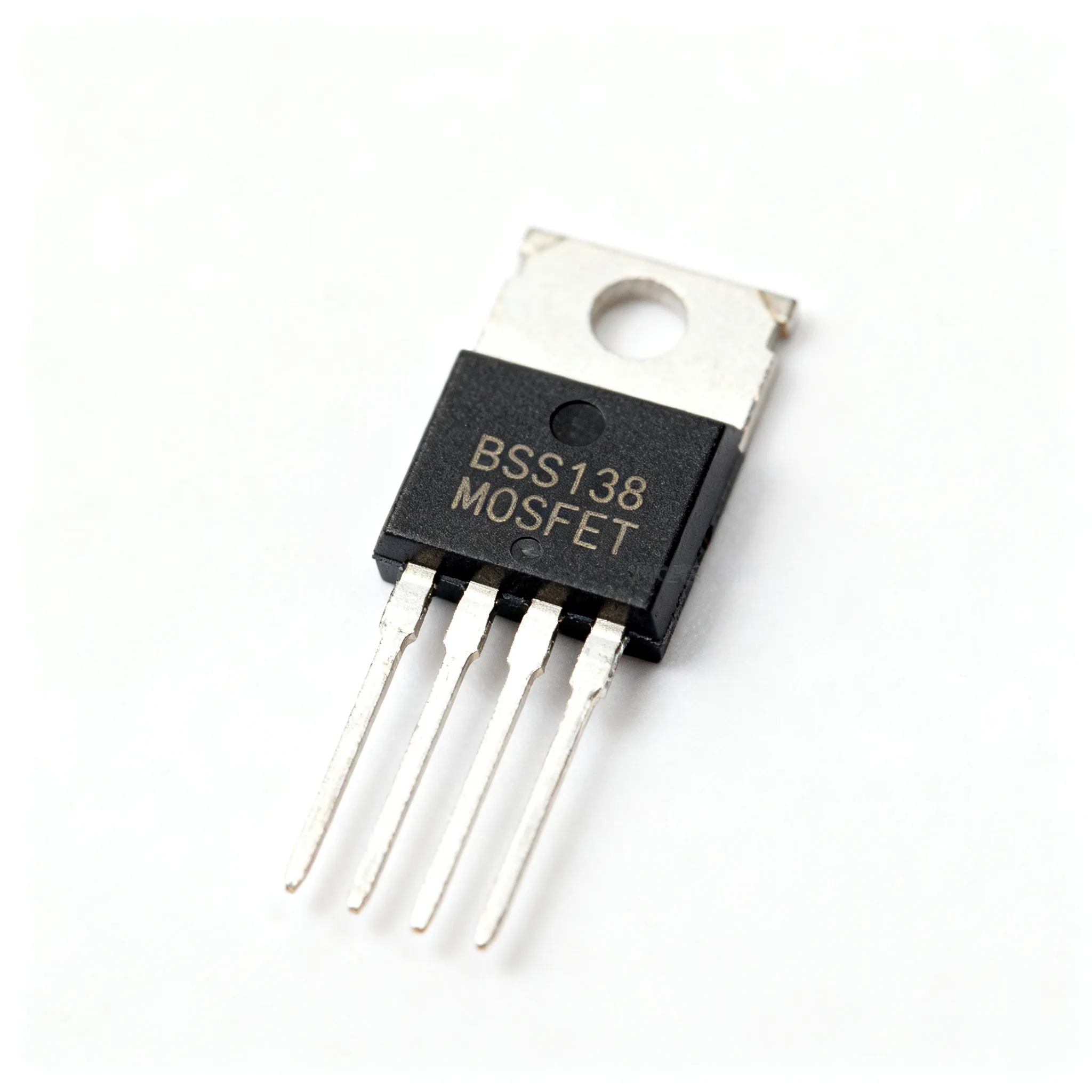
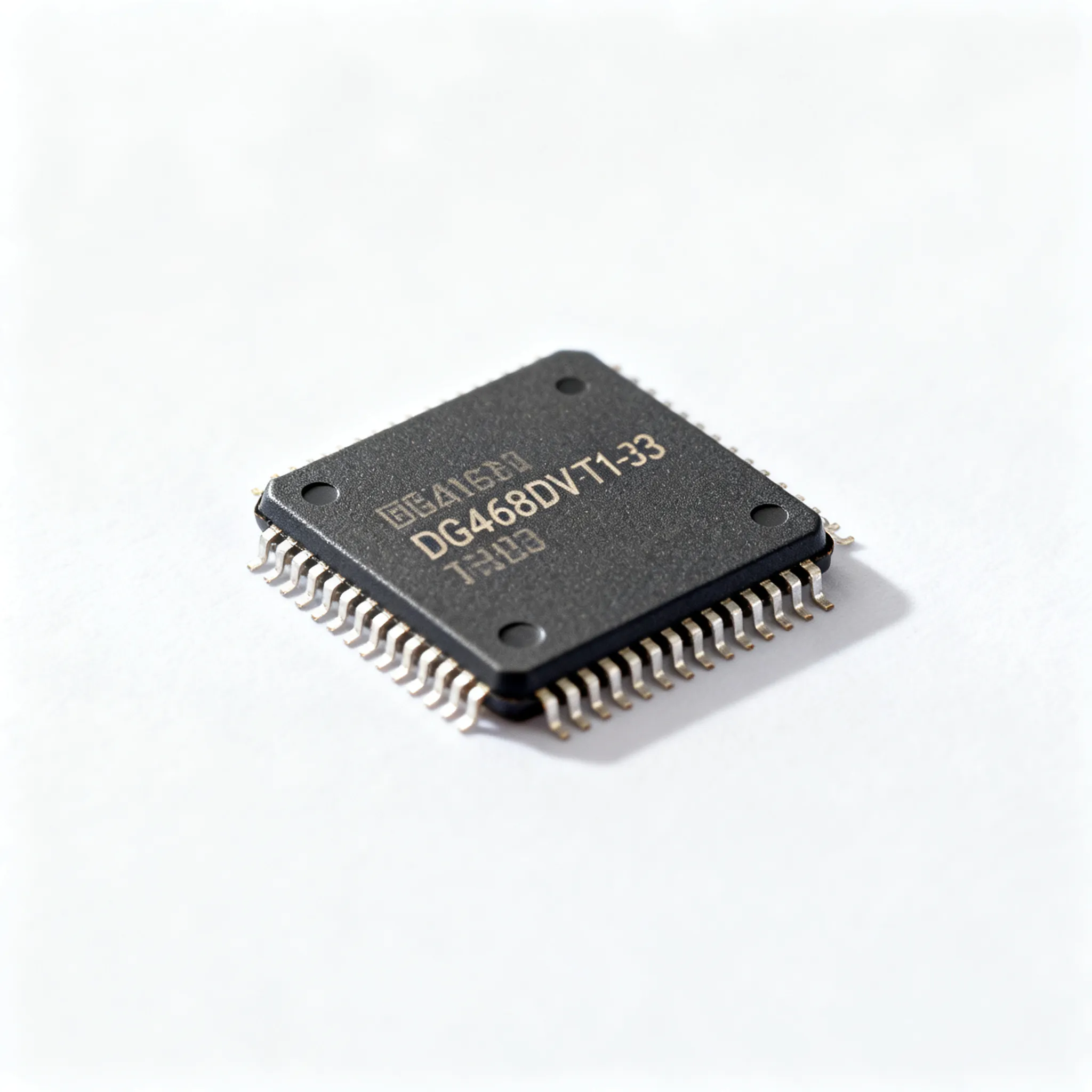
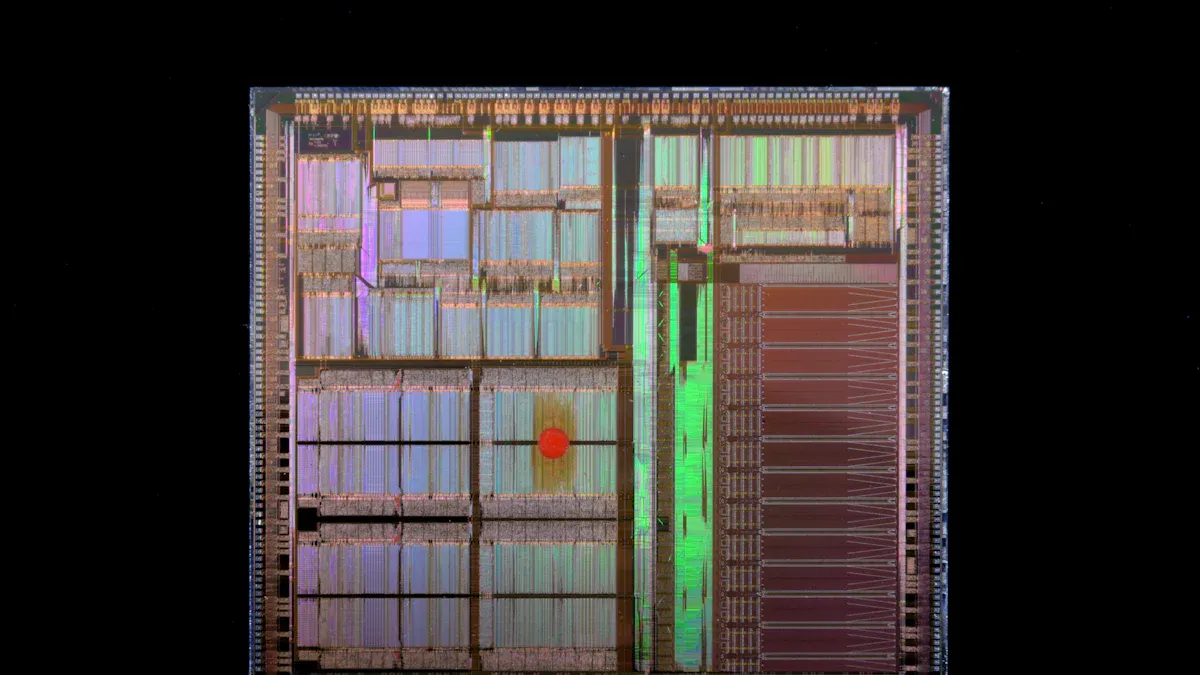
An integrated circuit is a tiny electronic device. It is made from a thin piece of semiconductor material. People also call it a microchip or ic. Engineers use integrated circuit design to put many small parts on one chip. These parts include things like transistors and resistors. Microchips can do many jobs in a small space. Each microchip can work like a brain for devices.
Note: Microchips help make devices smaller, lighter, and stronger.
Electronic integrated circuits put many electrical parts together in one unit. This is not like old circuits that used single pieces. Microchips can handle information, save data, and control signals. Every ic can do the job of many bigger parts. This saves space and energy.
Core Function
The main job of an integrated circuit is to control and process signals. Microchips can do many things at the same time. For example, a microchip in a smartphone helps with calls, messages, and apps. In a car, microchips help run the engine, brakes, and safety systems.
Here are some main jobs of electronic integrated circuits:
-
Work with information fast
-
Save and get back data
-
Control how electricity moves
-
Link different parts of a device
Microchips help devices get smarter and work better. They let engineers add more features without making things bigger. Every ic helps use less power and cost less. Microchips also make technology faster and more reliable.
|
Device |
Role of Microchips |
|---|---|
|
Smartphone |
Runs apps, manages signals |
|
Medical Device |
Monitors health, stores data |
|
Car |
Controls safety, engine |
Electronic integrated circuits are important in almost every device today. Microchips help make technology faster, smaller, and more reliable.
Types of Integrated Circuit
Electronic devices need different integrated circuits for many jobs. Engineers pick the best microchips for each task. There are three main types of integrated circuits. These are analog ICs, digital ICs, and mixed-signal ICs. Each type is important in technology.
Analog ICs
Analog ICs work with signals that change smoothly. These microchips help with sound, light, and temperature. For example, a microphone uses an analog IC to turn sound into electricity. Radios and speakers need analog microchips for music and voice. Many sensors in cars and medical tools use analog ICs. They measure things like speed or heart rate.
Note: Analog microchips help devices sense the world. They work with signals that are not just on or off.
Digital ICs
Digital ICs use signals that are only on or off. These microchips use binary code, which is ones and zeros. Computers, smartphones, and tablets use digital integrated circuits. They process information, store data, and run apps. Digital ICs also control screens. Many digital microchips are called digital ics. These digital ics make devices fast and smart.
Here are some examples of digital ICs:
-
Microprocessors in computers
-
Memory chips in phones
-
Controllers in smart TVs
A digital integrated circuit can be made for a special job. This is called an application-specific integrated circuit. It can run a camera or a game.
Mixed-Signal ICs
A mixed-signal integrated circuit has both analog and digital parts. These microchips help devices talk to the world and use digital data. For example, a smartphone uses mixed-signal ICs for calls. They change a voice into digital data. Smartwatches and fitness trackers use these microchips too. They count steps and send the data to an app.
|
Type of IC |
Main Use |
|---|---|
|
Analog ICs |
Handle real-world signals |
|
Digital ICs |
Process digital information |
|
Mixed-Signal ICs |
Connect analog and digital data |
Microchips come in many types. The right integrated circuits help devices do more and work better.
How ICs Work
Components
Integrated circuits contain many small parts that work together. Each IC has transistors, resistors, capacitors, and diodes. These parts sit on a thin piece of silicon called a chip. Transistors act like tiny switches. They turn signals on or off. Resistors control the flow of electricity. Capacitors store and release energy. Diodes let electricity move in only one direction.
Engineers connect these parts with tiny wires. The wires form paths for electricity. Each path lets the IC do its job. Some ICs have millions of transistors. Others have only a few. The number of parts depends on what the IC needs to do.
Tip: The way these parts connect explains how integrated circuits work. Each part has a special role. Together, they help the IC process signals and control devices.
Manufacturing
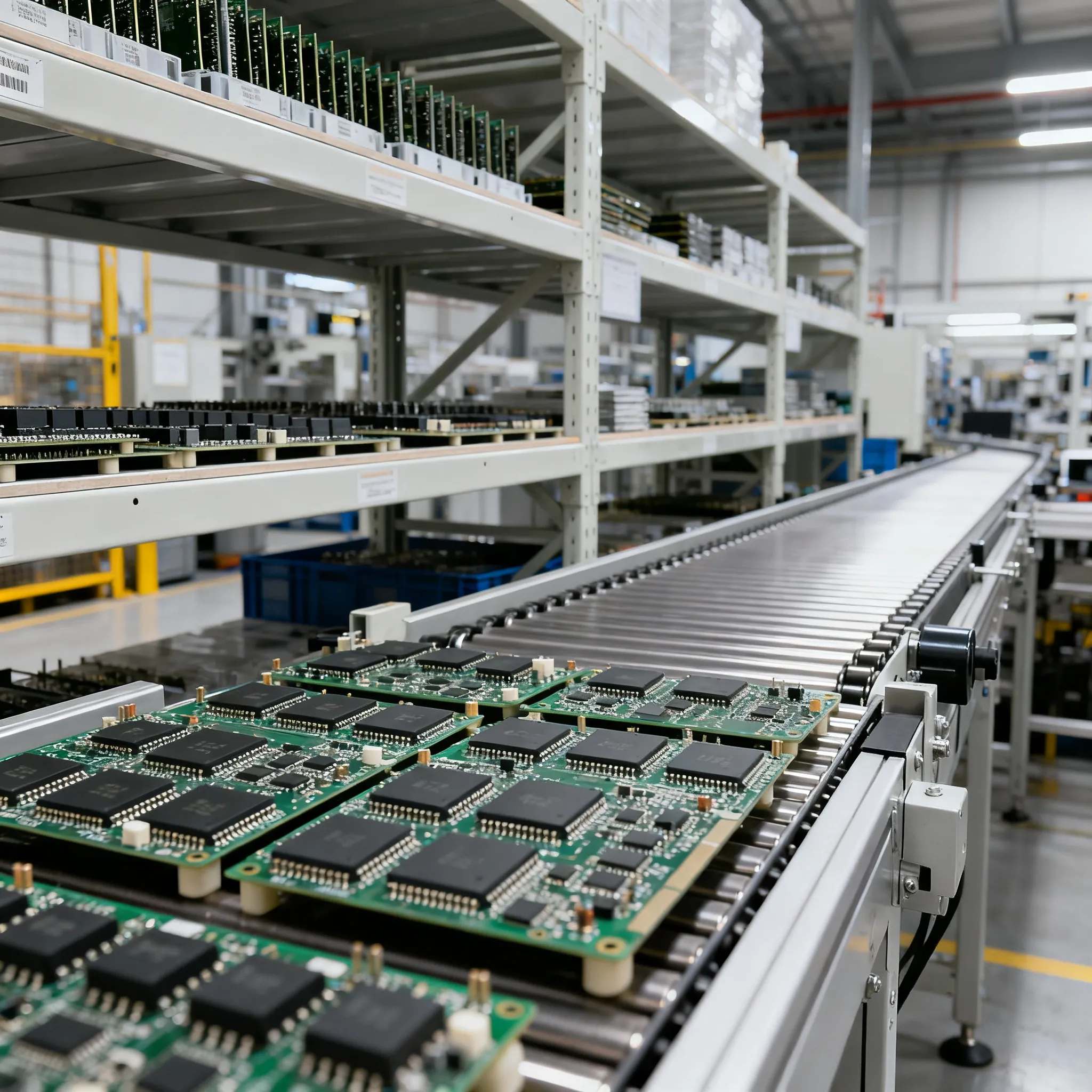
The manufacturing process of ics uses advanced machines and clean rooms. Workers start with a pure silicon wafer. They add layers to the wafer using chemicals and light. Each layer forms new parts or wires. Machines cut the wafer into small chips. Each chip becomes one IC.
The manufacturing process of ics needs great care. Even a tiny speck of dust can ruin a chip. Workers wear special suits to keep the area clean. Robots move the wafers from one step to the next. After building the chips, machines test each one. Only the best chips go into devices.
The manufacturing process of ics allows companies to make many chips at once. This helps lower the cost. It also makes ICs more reliable. People can see how integrated circuits work by looking at the steps in this process. Each step adds new features to the chip.
|
Step |
What Happens |
|---|---|
|
Start with silicon |
Make a clean wafer |
|
Add layers |
Build parts and wires |
|
Cut into chips |
Make each IC |
|
Test and package |
Check and protect the chip |
Applications of Integrated Circuits
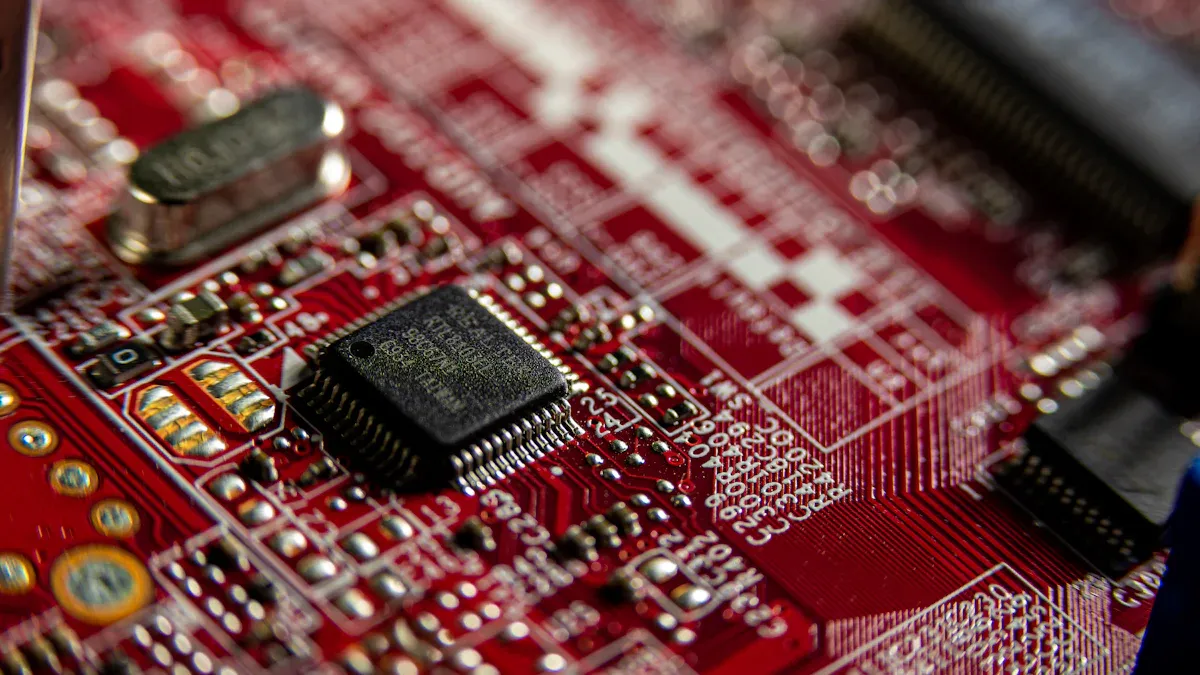
Integrated circuits are used in many fields. They help make technology smaller and faster. ICs also make devices more powerful. Almost every part of life uses ICs in some way. Each field uses ICs to make things work better.
Consumer Electronics
Consumer electronics need ICs to add smart features. These chips also save space inside devices. Smartphones, tablets, and laptops all use ICs. Microchips help run apps and store photos. They also help connect to the internet. Smart TVs use ICs for clear pictures and streaming. Game consoles use microcontrollers for graphics and games.
Note: ICs let engineers put more power in small gadgets. This makes devices lighter and easier to carry.
Smart home devices use ICs too. Smart speakers, thermostats, and cameras need microcontrollers. These chips help connect to Wi-Fi and answer voice commands. More products use ICs as new gadgets come out.
Automotive
Modern cars have many ICs inside. ICs control engines, brakes, and airbags. They help cars stay safe and use less fuel. Microcontrollers check tire pressure and watch for obstacles. Electric cars use ICs for batteries and motors.
A car’s entertainment system uses ICs too. Touchscreens, speakers, and maps need microchips. Driver-assistance systems use ICs for parking and lane changes. These uses make cars safer and smarter.
|
Automotive Application |
Role of ICs |
|---|---|
|
Engine Control |
Manage fuel and timing |
|
Safety Systems |
Control airbags, ABS |
|
Infotainment |
Run screens and audio |
|
Electric Vehicles |
Monitor battery and power |
Healthcare
Healthcare uses ICs to help patients. Medical devices like heart monitors need microcontrollers. These chips collect data and send alerts. ICs make devices small enough to wear or carry.
Hospitals use ICs in imaging and lab machines. These uses help doctors see inside the body and test quickly. Medical tests use ICs to process results and share info. Wireless sensors in healthcare use microcontrollers.
Tip: ICs help healthcare devices use less power. This lets patients use them at home or while moving.
ICs in healthcare keep growing. New devices track health and send updates to phones.
Telecommunications
Telecommunications need ICs for fast, steady connections. ICs power cell towers, routers, and satellites. They help send calls, texts, and data far away. Microcontrollers manage signals and keep networks working.
Smartphones and computers use ICs to get online. Video calls, streaming, and games all need these chips. Telecom companies use ICs for faster networks and more users.
|
Telecommunications Application |
IC Function |
|---|---|
|
Cell Towers |
Manage signals |
|
Routers |
Direct internet traffic |
|
Satellites |
Process communication data |
|
Smartphones |
Connect to networks |
ICs help telecom give better service and new features. These uses make it easier for people to stay in touch.
Energy and Renewables
Energy and renewables use ICs to control systems. Solar panels and wind turbines have ICs to track energy. Microcontrollers adjust settings for more power from sun or wind.
Smart meters use ICs to measure electricity use. These uses help save energy and lower bills. Power grids use ICs to balance supply and demand.
Note: ICs help renewable energy systems work better. They make clean energy easier to use at home and in cities.
ICs also protect equipment from harm. They shut down systems if something is wrong. ICs in energy and renewables help make the world cleaner and smarter.
IoT and Integrated Circuits
The IoT connects things to the internet. ICs and microcontrollers make this happen. Smart sensors in homes, factories, and farms use ICs to collect and share data. These uses help people control lights, track packages, and watch crops.
IoT devices use very little power. ICs help them run for months or years on small batteries. ICs in IoT are in smart watches, fitness trackers, and smart appliances.
Tip: The IoT uses ICs to link billions of devices. This helps solve problems and makes life better.
ICs help IoT devices talk to each other and the cloud. They let devices automate tasks and react quickly. IoT keeps growing because of better ICs.
Challenges and Future Trends
Miniaturization
Engineers have problems when making integrated circuits smaller. Small chips make technology faster and stronger. They also use less power. But tiny parts can break more often. Heat can build up in small chips. Companies must find ways to keep chips cool and tough. Miniaturization lets phones and tablets do more in less space. People want lighter and smarter things, so this trend will keep going.
Note: Miniaturization lets technology fit in new things, like wearables and smart sensors.
Cost and Production
Making new integrated circuits costs a lot of money. Factories need special tools and very clean rooms. The price of materials can change fast. Companies must make chips quickly to keep up. If a chip has a problem, it can slow everything down. Engineers try to make chips cheaper and faster. They use new ways to test and build chips. Lower costs help more people use digital technology every day.
AI and IoT
AI is changing how people use technology. Integrated circuits now help ai in many devices. Smart speakers, cameras, and cars use ai to learn and decide. The iot links billions of devices together. Each device uses ai to collect and share data. Digital chips help ai work faster and smarter. Engineers make new circuits for ai jobs. This makes technology more useful at home, in school, and in hospitals.
-
AI helps devices understand words and pictures.
-
The iot uses ai to control lights, track health, and manage energy.
Next-Gen ICs
Next-generation integrated circuits will change technology’s future. These chips will use new materials and new designs. Nanotechnology will make chips even smaller and faster. AI will be more important in how chips work. Digital circuits will connect more things with the iot. Future ICs will help fix problems in health, energy, and communication.
|
Trend |
Impact on Technology |
|---|---|
|
Nanotechnology |
Smaller, faster chips |
|
AI Integration |
Smarter, adaptive devices |
|
IoT Expansion |
More connected products |
Tip: Next-gen ICs will help technology grow in ways we cannot imagine today.
Electronic integrated circuits change how we use technology. They make things work in houses, hospitals, and cars. ICs help engineers build faster and smarter products. These chips bring new ideas and make technology better.
In the future, ICs will be even more important for AI and IoT. People will see stronger and more connected devices as ICs improve.
FAQ
What is the main purpose of an integrated circuit?
An integrated circuit helps control signals in electronics. It lets devices work faster and use less energy. ICs also help keep things small. Engineers put ICs in products to make them smarter.
How do integrated circuits help save energy?
ICs have tiny parts that do not need much power. Devices with ICs can last longer on batteries. They also waste less energy. This saves money and helps the planet.
Can integrated circuits break easily?
Most ICs work for many years. They might break if they get too hot or damaged. Engineers make ICs strong for normal use in phones and cars.
Where can people find integrated circuits in daily life?
People find ICs in phones, computers, and cars. Kitchen gadgets and TVs use ICs too. Medical tools and smartwatches also have these chips. ICs help many things work better every day.