Crystal Oscillator Fundamentals: How These Precision Components Power Modern Electronics
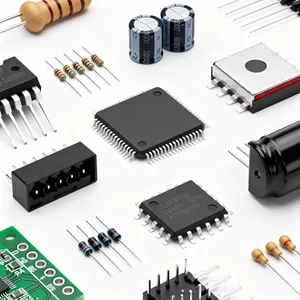
Crystal Oscillator Fundamentals are crucial components that generate stable frequencies in electronics. They utilize quartz crystals to maintain accurate timing, even under varying conditions. These crystals exhibit remarkable stability, with temperature effects as minimal as 10^-6. This reliability makes them essential for modern technology.
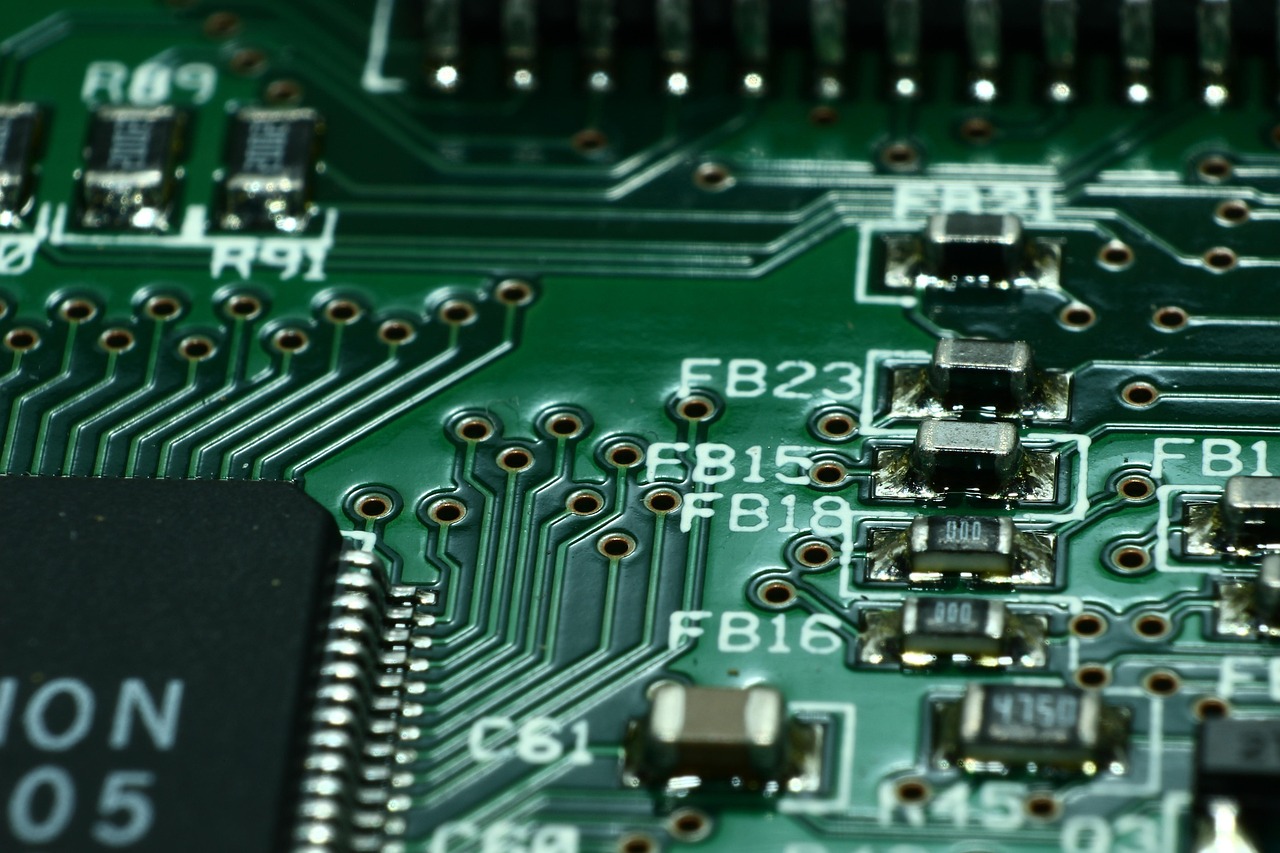
Crystal Oscillator Fundamentals are crucial components that generate stable frequencies in electronics. They utilize quartz crystals to maintain accurate timing, even under varying conditions. These crystals exhibit remarkable stability, with temperature effects as minimal as 10^-6. This reliability makes them essential for modern technology.
Many industries require crystal oscillators more than ever. Devices such as smartphones and laptops depend on them for seamless operation. In telecommunications, they play a vital role in maintaining stable frequencies for networks like 5G. Additionally, cars incorporate them to operate advanced electronic systems, enhancing safety and performance.
Understanding Crystal Oscillator Fundamentals reveals how they deliver dependable timing, synchronization, and frequency control, making them indispensable in today’s interconnected world.
Key Takeaways
-
Crystal oscillators use quartz to make steady frequencies for timing.
-
Knowing features like stability and temperature helps pick the right one.
-
Types like TCXOs and OCXOs are used for special jobs.
-
They keep devices in sync and stop timing mistakes.
-
5G and other tech need accurate timing, so these are important.
Crystal Oscillator Fundamentals
What Is a Crystal Oscillator?
A crystal oscillator makes steady and exact frequencies for electronics. It uses quartz crystals to create vibrations that help with timing. These vibrations keep devices like phones and computers working smoothly.
Quartz crystals are the main part of these oscillators. When electricity touches the crystal, it shakes at a set frequency. This shaking makes a steady rhythm that circuits use for timing. These oscillators are very accurate, even in tough conditions.
New technologies like 5G and IoT need more crystal oscillators. In North America, their market is growing fast because of small and powerful designs. They are key for phones, networks, and smart health devices.
Key Parts of a Quartz Crystal Oscillator
A quartz crystal oscillator has important parts that make it work well. Knowing these parts shows how it stays stable and accurate.
|
Feature |
What It Does |
Why It Matters |
|---|---|---|
|
Frequency |
The crystal's vibration speed, measured in Hertz (Hz). |
Needed for timing and sending data. Must match the system. |
|
Frequency Tolerance |
How much the frequency can change, measured in ppm. |
Affects timing accuracy. Precise systems need tight limits. |
|
How steady the frequency stays with temperature or voltage changes. |
Keeps devices working in different conditions. Important for time-sensitive tasks. |
|
|
Load Capacitance |
Extra capacitance needed for proper vibration, measured in pF. |
Helps the crystal vibrate correctly. Wrong values can cause errors. |
|
Operating Temperature Range |
The temperature range where the oscillator works well, in °C. |
Matches the environment. Ensures the device stays reliable. |
|
Aging |
How the frequency changes over time. |
Important for long-term use, like in calibration tools. |
|
Package Type |
The physical shape, like surface mount or through-hole. |
Depends on the circuit board design. |
|
Drive Level |
The power used to excite the crystal, measured in µW. |
Too much power can harm the crystal. Correct levels keep it safe. |
|
Cost |
The price of the oscillator. |
Balances cost with performance needs. |
Each part helps the oscillator work correctly. For example, frequency stability keeps it steady in changing conditions. Load capacitance adjusts the crystal to the right frequency. Knowing these features helps you pick the best oscillator for your needs.
How Crystal Oscillators Work
The Role of Piezoelectricity
Crystal oscillators use piezoelectricity to make steady frequencies. When you press or squeeze quartz, it creates electricity. This special ability lets quartz crystals work as sensors and oscillators in electronics.
Inside a crystal oscillator, piezoelectricity causes vibrations. These vibrations make exact timing signals. The crystal's size and shape decide its natural vibration speed. The back-and-forth voltage from piezoelectricity keeps the vibrations steady. This is important for accurate timing in circuits.
Scientists have studied piezoelectricity in crystal oscillators. For example, quartz sensors help in medical tests. They measure how plasma reacts with fibrinogen using piezoelectric effects. A formula, Δf = −2fq²/(PqVq)mf, explains how mass changes affect frequency.
|
Concept |
Explanation |
|---|---|
|
Piezoelectric Effect |
Quartz makes electricity when squeezed or pressed. |
|
Oscillation Induction |
Voltage causes regular vibrations for steady timing signals. |
|
Frequency Change Formula |
Δf shows how mass changes affect the crystal's frequency. |
Piezoelectricity helps crystal oscillators stay reliable, even in tough conditions. This makes them perfect for devices like phones, GPS, and timing circuits.
Frequency Generation and Stability
Crystal oscillators are great at making stable frequencies for electronics. Quartz vibrates at a set speed when powered by electricity. These vibrations create steady signals for timing circuits.
Tests show crystal oscillators are very reliable. MEMS oscillators are even better than quartz ones. They stay accurate under changing temperatures and use digital tuning to avoid drift. MEMS oscillators last longer and fail less often.
-
MEMS oscillators are more accurate than quartz ones.
-
They work well in changing temperatures, keeping signals steady.
-
Digital tuning stops frequency drift and aging problems.
-
MEMS oscillators are durable and last a long time.
New methods improve crystal oscillator designs. Experiments show less than 0.05 ppm error when predicting heat effects. These methods keep frequency signals stable.
Crystal oscillators are key for timing in communication, computers, and industry. Knowing how they work shows why they are so important.
Why Crystal Oscillators Matter in Electronics
Accuracy and Dependability in Everyday Devices
Crystal oscillators are key for accuracy in modern electronics. You use them daily in phones, GPS, and laptops. They create steady signals that keep devices working well, even in tough conditions. For example, car-grade oscillators handle heat and vibrations. They help cars run systems like navigation, communication, and controls reliably.
The global market shows how important these oscillators are. In 2023, they made over $3 billion in sales. By 2030, this could grow to $4.1 billion. This rise is due to 5G, 6G, and new tech in cars and gadgets. It shows how much industries need stable and precise devices.
These oscillators affect your life in many ways. They stop timing errors that could cause car problems or communication issues. Their ability to stay steady in changing conditions makes them a must-have for modern electronics.
Helping Devices Work Together in Sync
Crystal oscillators help devices stay in sync. They give exact timing signals for smooth operation. In computers, they make clock speeds like 15MHz for processors. They also create 32.768kHz signals for real-time clocks. These signals keep parts working together.
In communication, accurate timing is very important. RF systems need precise signals to work properly. Ethernet controllers use 25MHz oscillators to send data. Sync protocols also depend on oscillators to align clocks and avoid errors.
|
Feature |
What It Does |
|---|---|
|
Sync Phases |
Keeps clocks aligned for better accuracy. |
|
Drift Problems |
Stops clocks from drifting apart over time. |
|
Overlapping Sync |
Makes sure sync phases overlap to avoid mistakes. |
Crystal oscillators make sure your devices work together smoothly. Whether you're watching videos, calling, or using GPS, they keep everything running in sync.
Types of Crystal Oscillators
Temperature-Compensated Crystal Oscillator (TCXO)
TCXOs keep their frequency steady, even in changing temperatures. They use sensors to check temperature changes and adjust the frequency. This helps them give accurate timing signals in tough conditions.
TCXOs are great for tasks needing high stability. They focus on staying stable, handling temperature changes, and lasting a long time. By managing heat well, TCXOs create exact frequencies. This makes them perfect for GPS devices and communication tools.
Tip: Use TCXOs in places with changing temperatures. They stay reliable and work consistently.
Voltage-Controlled Crystal Oscillator (VCXO)
VCXOs let you change their frequency by using a control voltage. This makes them useful for tasks needing adjustable frequencies, like syncing audio and video or phase-locked loops.
VCXOs are stable under normal conditions, measured in ppm (parts per million). Their frequency range depends on the control voltage. This flexibility makes them a top choice for systems needing frequency adjustments.
|
Metric |
What It Means |
|---|---|
|
Frequency response stability |
Shows how steady the frequency is at 20°C, measured in ppm. |
|
Deviation or Pull ability |
The range of frequency changes based on control voltage, in ppm. |
Oven-Controlled Crystal Oscillator (OCXO)
OCXOs are the most stable type of crystal oscillator. They keep the quartz crystal at a steady temperature inside a tiny oven. This stops temperature changes from affecting the frequency.
OCXOs are best for tasks needing super-high stability, like telecom and science tools. They have very low phase noise and tight temperature stability. Even though they use more power to warm up, they work well in tough conditions like high shock or vibration.
|
Specification |
Details |
|---|---|
|
Phase Noise |
Meets strict WiMAX standards for phase alignment and noise. |
|
Frequency Stability |
Keeps frequency steady, better than 1 x 10^-10/day. |
|
Temperature Stability |
Stays stable within +/-75 x 10^-9 from -20°C to +70°C. |
|
Power Consumption |
Uses less than 0.35 W after warming up in two minutes. |
|
Operational Environment |
Works well in harsh places with shock, vibration, or radiation. |
Note: OCXOs cost more than other oscillators. But their amazing stability makes them worth it for important uses.
Applications of Crystal Oscillators
Consumer Electronics (e.g., Smartphones, Laptops)
Crystal oscillators are important for gadgets like phones and laptops. They help devices keep accurate timing and work smoothly. These parts make sure your electronics run well, even in tough conditions.
As devices get smaller, tiny and powerful oscillators are needed. Phones use them to sync signals and manage tasks. Laptops rely on them for fast data transfer and clock speeds. Wearables, like fitness trackers, use them to save battery while staying reliable.
-
Consumer electronics need precise timing for complex systems.
-
Small oscillators are key for tiny, efficient devices.
-
They are used in TVs, computers, cameras, and radios.
Communication Systems (e.g., GPS, Radio)
Crystal oscillators are crucial for communication tools like GPS and radios. GPS devices use special oscillators (TCXOs) to keep timing accurate. This helps GPS signals stay in sync, improving performance.
Radios also depend on oscillators for steady signals. They make sure messages are clear and reduce errors. Whether using GPS or listening to the radio, oscillators keep signals stable and reliable.
Tests show that oscillators with smart algorithms improve GPS signals. About 80% of GPS timing errors are under 12 μs, proving their importance in communication.
Industrial and Automotive Systems
Crystal oscillators are vital for cars and factories. They provide the accuracy needed for advanced systems. Cars use them for safety features like lane-keeping and emergency brakes. These oscillators handle heat and vibrations, ensuring they work well.
The car industry needs precise oscillators for modern vehicles. Features like adaptive cruise control rely on them. In factories, oscillators keep machines and tools running on time, boosting efficiency.
|
Aspect |
Details |
|---|---|
|
Market Growth |
More complex cars increase demand for oscillators. |
|
Demand Drivers |
Safety systems and electric cars need accurate timing. |
|
Application Areas |
Used in lane-keeping, cruise control, and braking systems. |
|
Reliability Requirements |
Must handle heat and shaking without failing. |
-
Smart cars and tools need oscillators for better performance.
-
Factories use them to keep machines working accurately.
Choosing the Right Crystal Oscillator
Factors to Think About (Frequency Stability, Temperature Range, Size)
Picking a crystal oscillator means checking key factors. These affect how well your device works.
-
Frequency Range: The oscillator's frequency must fit your device's needs.
-
Low frequencies (up to 100 kHz) work for clocks and watches. They use less power and stay stable.
-
Medium frequencies (1 MHz to 30 MHz) are good for communication tools. They balance speed and efficiency.
-
High frequencies (up to hundreds of MHz) are needed for fast processors and RF systems.
-
-
Operating Temperature Range: Oscillators must work in different temperatures.
-
Regular ones handle -10°C to 60°C. Industrial ones manage -40°C to 85°C.
-
Special oscillators can survive extreme heat or cold, from -55°C to 125°C.
-
-
Size and Packaging: Smaller designs, like surface-mount types, save space. They are great for portable gadgets and still perform well.
The table below shows market trends to guide your choice:
|
Aspect |
What It Covers |
|---|---|
|
By Frequency |
Groups oscillators by frequency for different uses. |
|
By Packaging |
Focuses on compact designs like surface-mount devices. |
|
By Application |
Lists uses across industries, showing specific needs. |
|
By Geography |
Gives regional insights for market trends. |
Thinking about these factors helps you pick an oscillator with good stability and performance.
Matching Oscillator Types to Uses
The right oscillator depends on what you need it for. Each type has special features for different tasks.
For very precise jobs like GPS or science tools, oven-controlled crystal oscillators (OCXOs) are best. They keep the crystal warm to stay stable in changing conditions. Temperature-compensated crystal oscillators (TCXOs) are better for portable devices like phones. They stay accurate even when temperatures change.
Voltage-controlled crystal oscillators (VCXOs) are great for adjustable frequencies. They work well for syncing audio and video or phase-locked loops. Their flexibility makes them useful for many tasks.
A study shows how matching oscillator types to uses improves performance. Advanced algorithms, like the fast adaptive chirp mode decomposition (FACMD), help detect and choose the right oscillator. This ensures better results for both simple and complex systems.
By picking the right oscillator type, you get the precision, stability, and flexibility your device needs.
Crystal oscillators are important for running modern electronics. They make accurate signals, which are needed for devices like phones, GPS, and factory machines. These parts are very steady and work well in many areas, like communication and car systems.
When picking an oscillator, think about what your device needs. Look at things like how stable the frequency is, how it works in different conditions, and its overall performance. Choosing the right one helps your system stay precise and reliable.
FAQ
Why are quartz crystals good for oscillators?
Quartz crystals are very steady and vibrate at exact speeds. They make reliable timing signals because of their special piezoelectric abilities. This makes them great for jobs needing accuracy, like phones and computers.
How do crystal oscillators keep their frequency steady?
Crystal oscillators use quartz vibrations to make stable signals. Quartz resists changes from heat or electricity, keeping timing reliable in different conditions.
Can crystal oscillators work in tough environments?
Yes, some types, like OCXOs, are made for hard conditions. They keep the quartz crystal warm to stay steady, even in extreme heat or cold.
Why are crystal oscillators important for communication?
Crystal oscillators give exact timing for sending data in networks. They help systems like 5G work smoothly by keeping signals steady.
How can I pick the right crystal oscillator?
Think about things like stability, temperature range, and size. Match the type to your needs. TCXOs are good for portable gadgets, while OCXOs are best for very precise tasks.