Comparing Turnkey vs. Partial PCB Assembly and Manufacturing Services
When making a printed circuit board, there are two options for pcb assembly and manufacturing. Turnkey PCB assembly does everything for you. You provide the design, and they handle parts and building. Partial PCB assembly needs your help. You supply parts or materials, and they perform certain jobs.
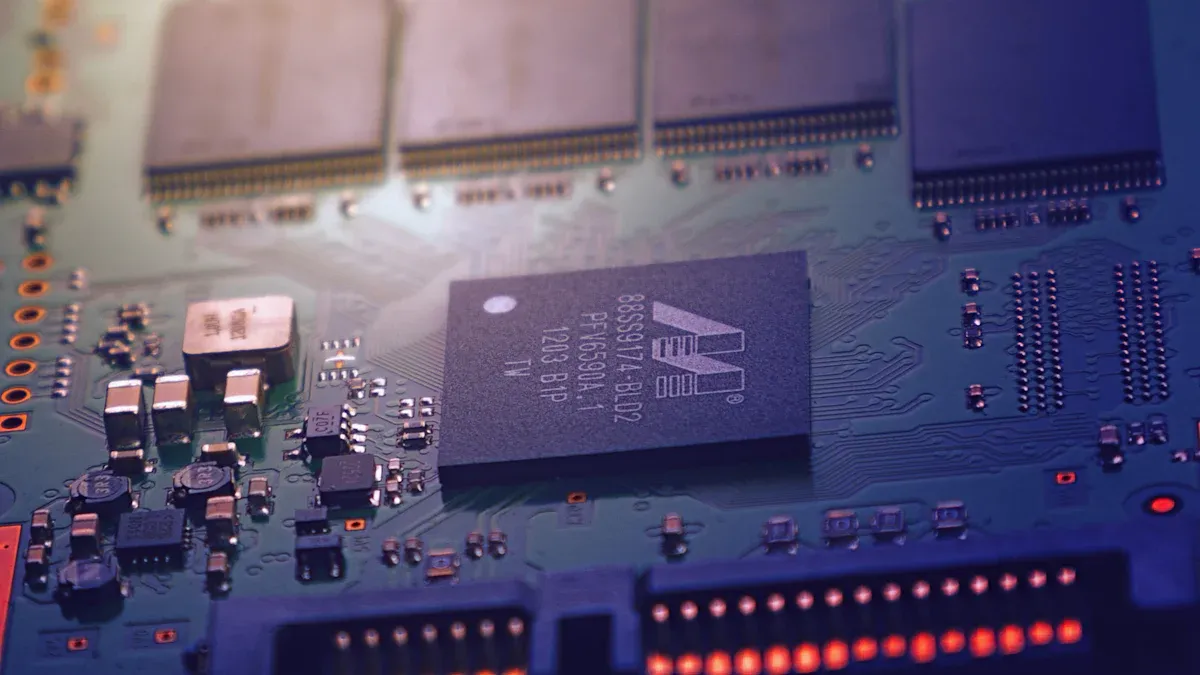
When making a printed circuit board, there are two options for pcb assembly and manufacturing. Turnkey PCB assembly does everything for you. You provide the design, and they handle parts and building. Partial PCB assembly needs your help. You supply parts or materials, and they perform certain jobs.
Choose based on your project needs and goals. Turnkey is ideal for fast and easy projects, while partial works well for special requirements or cost savings.
Key Takeaways
-
Turnkey PCB assembly does everything for you. It’s great for fast projects. You give the design, and they handle parts and assembly.
-
Partial turnkey PCB assembly lets you provide some parts. This gives you more control and can save money. It’s good for special or low-cost projects.
-
Both types have challenges. Turnkey can cost more at first. Partial needs good planning and talking to avoid delays.
-
Pick the right service based on your project needs. Think about your budget, time, and team skills to decide.
-
Always check that your parts are good quality. This helps avoid problems with the final product.
Understanding Partial Turnkey PCB Assembly
What Is Partial Turnkey PCB Assembly
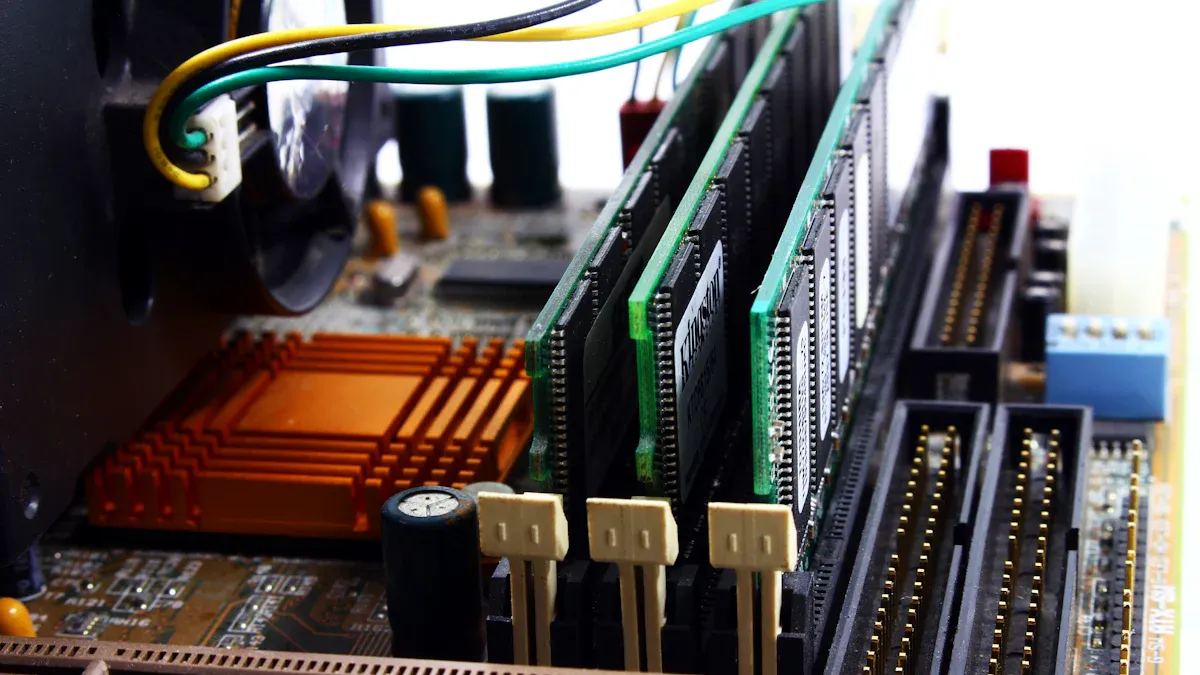
Partial turnkey PCB assembly is a flexible way to make PCBs. You work with a provider by giving them some parts or materials. The provider then takes care of the other tasks, like assembly and testing. This method lets you stay in charge of certain steps, such as finding special parts, while using the provider's skills for the rest.
Partial turnkey follows industry rules, like IPC standards, to ensure quality. These rules cover everything from picking parts to final production. They help make sure your project is high-quality and meets important guidelines.
|
Assembly Type |
Description |
|---|---|
|
Clients give some parts, and the provider does the rest, matching the partial turnkey approach. |
Ideal Use Cases for Partial Turnkey PCB Assembly
Partial turnkey PCB assembly is great for custom or budget-friendly projects. It’s useful if you already have certain parts or need rare ones. This option also works well for small production runs where you want to manage some materials.
This method fits businesses with buying experience or those wanting to save money by getting parts themselves. Startups and small companies often pick this to balance quality and cost. It’s also perfect for projects needing design or assembly flexibility.
Advantages of Partial Turnkey PCB Assembly
Partial turnkey PCB assembly has many benefits:
-
Cost Savings: Buying your own parts can save money, especially for bulk or special items.
-
Customization: You control the materials to meet your exact needs.
-
Flexibility: You can change the process to fit your project.
-
Quality Assurance: Picking your own parts ensures they meet your standards.
-
Collaboration: Working with the provider combines your knowledge with theirs for a better product.
Tip: Make sure your parts follow IPC standards to keep quality high during assembly.
Challenges of Partial Turnkey PCB Assembly
Partial turnkey PCB assembly is flexible but has challenges. Finding parts can be hard, especially rare or popular ones. You need good planning and suppliers to avoid delays. Without this, your project timeline might get disrupted.
Keeping schedules on track is another problem. When you handle some tasks, teamwork with your provider is key. Late parts or poor communication can slow the whole project. Make sure all materials arrive on time to avoid delays.
Checking quality is also very important. If you provide parts, you must check them first. Bad parts can cause the final product to fail. This means extra work for you to ensure everything meets standards.
Saving money while staying efficient can be tough too. Buying your own parts might cost less but takes time and skill. If you're not experienced, you could spend more time and money than planned. This might cancel out the savings.
To handle these issues, work closely with a trusted provider. Plan well and talk clearly to solve problems early. This will help your project run smoothly and create a great circuit board.
Exploring Full Turnkey PCB Assembly
What Is Full Turnkey PCB Assembly
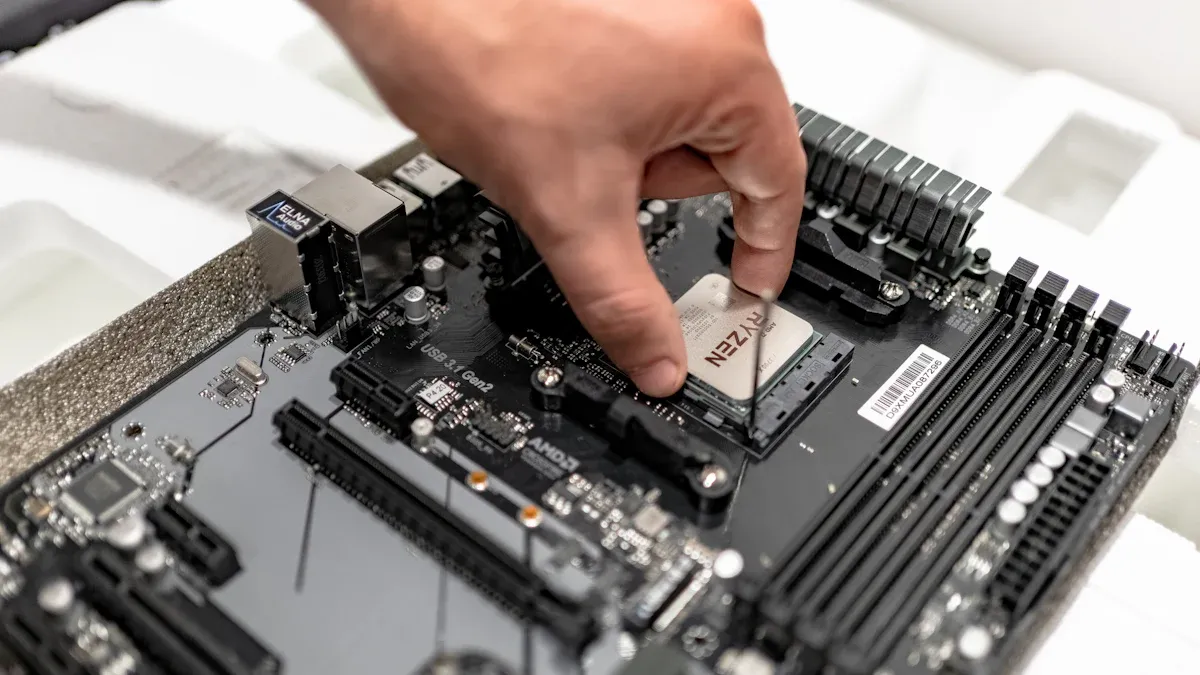
Full turnkey PCB assembly means the provider does everything. They handle all steps of making a printed circuit board. This includes design, testing, and putting parts together. You don’t need to do much, so you can focus on other work.
Main steps in full turnkey services are:
-
PCB Design: The provider makes plans based on your ideas.
-
Prototyping: Test boards are made to check the design.
-
Fabrication: The basic boards are created.
-
Assembly: Parts are added and soldered onto the boards.
-
Testing: Finished boards are checked for quality.
-
Enclosures: Providers can help with cases or final assembly if needed.
This service makes production easier by handling everything for you.
Ideal Use Cases for Full Turnkey PCB Assembly
Full turnkey PCB assembly works well for industries needing reliable solutions. It’s great for projects where speed is important or when you don’t have resources to manage production. Common uses include:
|
Industry |
Example Use Case |
|---|---|
|
Automotive |
Car electronics |
|
Medical |
Health devices |
|
Military |
Defense systems |
|
IoT |
Smart gadgets |
|
Smart Home |
Home tech |
|
Industrial Control |
Factory automation |
|
Aerospace |
Aircraft systems |
If your project is complex or needs many boards, full turnkey services can help you succeed.
Advantages of Full Turnkey PCB Assembly
Full turnkey PCB assembly has many benefits:
-
Lead Time Reduction: Projects finish faster, often in 4-5 weeks.
-
Cost Savings: Total costs drop by up to 23%.
-
Quality Improvement: Mistakes are rare, usually less than 0.5%.
-
Scalability: Production can grow by 300% without extra effort.
-
Time-to-Market: Faster production means quicker launches.
This service also reduces vendor issues and speeds up production steps. Tasks can happen at the same time, saving even more time. These advantages make it a smart choice for businesses wanting better results.
Challenges of Full Turnkey PCB Assembly
Full turnkey PCB assembly is convenient but has some challenges to think about.
-
Limited Control Over Component Selection
You might lose control over picking parts. Providers choose components based on cost and availability. This may not match what you want. If your project needs special parts, it could affect the design or how it works. -
Higher Initial Costs
This service costs more at the start. Providers handle buying, building, and testing, which adds to the price. While it can save money later, the upfront cost might be hard for small businesses or startups. -
Dependency on Provider’s Expertise
You rely on the provider’s skills a lot. If they don’t know your industry well, it might hurt the quality of your circuit board. Picking a trusted provider is very important to avoid problems. -
Potential Delays in Procurement
Even though this service is fast, delays can happen. Providers might struggle to find parts or manage shipping. These issues can slow your project. Choosing a provider with a good history can help prevent this. -
Communication Challenges
Clear communication is key to success. Misunderstandings about designs or needs can cause mistakes. Regular updates and clear instructions help keep your project on track.
Even with these challenges, full turnkey services are still a great choice. Working with a reliable provider like NOVA PCBA can reduce risks and ensure top-quality results.
Comparing Turnkey and Partial PCB Assembly Services
Cost and Budget Considerations
When picking between turnkey and partial PCB assembly, think about costs. Each option affects your budget based on your project’s needs. Turnkey PCB assembly costs more upfront because the provider does everything. They handle buying parts, building, and testing. This can save money later by cutting management time and improving efficiency.
With partial turnkey services, you control some costs. You can buy certain parts yourself to save money. This is helpful if you know affordable suppliers. It’s a good choice for businesses with tight budgets or special part needs.
Here’s a simple look at cost factors:
|
Cost Factor |
Description |
|---|---|
|
Board Complexity and Design |
Costs depend on layers, size, and how packed the board is. |
|
Types of Components |
SMT, through-hole, or BGAs change the price of assembly. |
|
Assembly Technology |
SMT, through-hole, or mixed methods affect total costs. |
|
Order Quantity |
Bigger orders lower the cost per board. |
|
Lead Time Requirements |
Faster delivery means higher prices. |
|
Percentage of Total Cost |
Prices for PCB assembly range from $5 to $50 per board. Simple boards in large amounts can cost as little as $2 to $10 each. While saving money is important, always focus on quality to avoid problems later.
Tip: On a tight budget? Use partial turnkey services to save by buying key parts yourself.
Time and Efficiency Factors
Time matters in any project. Your choice between turnkey and partial PCB assembly affects your schedule. Turnkey PCB assembly is faster because the provider handles everything. They manage design, parts, and testing. This makes the process smooth and helps finish projects quickly. If speed is important, turnkey services are a great option.
Partial turnkey services need more effort from you. You’ll buy parts and work closely with the provider. Delays can happen if parts arrive late or there are supply issues. While this option is flexible, it needs careful planning to stay on track.
Here’s a quick comparison:
|
Feature |
Turnkey PCB Assembly |
Partial PCB Assembly |
|---|---|---|
|
Project Management |
Easy, one point of contact |
Harder, multiple points of contact |
|
Timeline |
Faster with streamlined steps |
Slower if parts are delayed |
|
Cost |
Higher upfront, lower overall |
Lower upfront, but risks extra costs |
Turnkey services reduce miscommunication since one provider handles everything. This keeps your project on time. Partial turnkey services need constant coordination, which can slow things down if not managed well.
Note: Need speed and efficiency? Go with full turnkey services.
Procurement Responsibility and Flexibility
Who handles buying parts depends on the service type. With turnkey PCB assembly, the provider does it all. They buy parts, manage fabrication, and handle assembly. This lets you focus on other tasks while they ensure smooth production.
In partial turnkey services, you handle some parts. You can provide special or custom components, and the provider does the rest. This is great for projects needing unique parts or when you want to use your own suppliers.
Here’s a comparison of responsibilities and flexibility:
|
Service Type |
Responsibilities |
Flexibility Options |
|---|---|---|
|
Turnkey PCB Assembly |
- Provider buys parts |
- Full control by the provider, no flexibility for the client. |
|
- Client supplies some parts |
- Client controls key parts, flexible sourcing options. |
Partial turnkey services let you use special parts while relying on the provider for assembly. This mix gives you both control and expert help.
Tip: Pick partial turnkey if you need special parts or want control over some steps.
Target Audience and Project Types
Picking between turnkey and partial PCB assembly depends on your project and needs. Each service fits different goals, so knowing what works for you is key.
Who Benefits from Turnkey PCB Assembly?
Turnkey PCB assembly is great for people wanting an easy solution. If you’d rather focus on ideas than managing details, this is for you. It’s perfect for companies without the tools or skills to handle circuit board production.
Industries like cars, healthcare, and airplanes often use turnkey services. These fields need top-quality boards that follow strict rules. For example, making a medical device requires a provider to handle parts and testing. Turnkey services save time and meet important standards.
Startups also like turnkey PCB assembly. If you’re launching something new, you probably have tight deadlines and few workers. A turnkey provider speeds things up, helping you get your product ready faster.
Who Should Consider Partial Turnkey Services?
Partial turnkey services are good for people who want more control. If you already have parts or suppliers, this option lets you use them. It’s ideal for businesses with buying experience or projects needing special parts.
This service works well for small projects. Hobbyists or small business owners can save money by buying their own materials. For example, if you’re making a custom smart device, you can provide special sensors while the provider handles the rest.
Schools and research labs often pick partial turnkey services. They might already have parts or want students to help with buying. This method teaches skills while keeping costs low.
Matching Project Types to the Right Service
Your project type helps decide between turnkey and partial services. Here’s a simple guide:
|
Project Type |
Best Service |
Why It Works |
|---|---|---|
|
Large production runs |
Turnkey PCB Assembly |
Easy process and can handle big orders. |
|
Testing and prototypes |
Turnkey PCB Assembly |
Quick results and full support. |
|
Unique or custom designs |
Partial Turnkey Services |
Lets you use special parts. |
|
Budget-friendly projects |
Partial Turnkey Services |
Saves money by letting you buy parts. |
|
Projects with strict rules |
Turnkey PCB Assembly |
Experts ensure quality and follow rules. |
|
School or DIY projects |
Partial Turnkey Services |
Hands-on learning and lower costs. |
Knowing your needs and project type helps you choose wisely. Whether you want turnkey’s ease or partial’s flexibility, picking the right service leads to success.
Choosing the Right PCB Assembly and Manufacturing Service
Assessing Your Project Requirements
Picking the right PCB assembly service starts with knowing your project needs. Think about how complex your design is and what it requires. Decide which assembly process fits your goals best. For example, if your design uses advanced PCB technology, make sure the provider can handle it.
Consider how many boards you need. Big orders need providers who can handle large production. Smaller projects might need a more flexible approach. Look for providers with quality certifications like ISO 9001 to ensure high standards.
Ask about testing and inspection methods. Good testing helps your PCB work well and avoids problems. Use this checklist to help:
-
What types of assembly does the provider offer?
-
Can they handle advanced PCB designs?
-
Do they support the production size you need?
-
Do they have certifications like ISO 9001?
-
Do they offer special testing and inspections?
By checking these points, you can match your needs with the provider’s abilities.
Tip: Ask if the provider has worked on similar projects to make sure they’re a good fit.
Evaluating Your Budget and Resources
Your budget is important when choosing a PCB assembly service. Start by figuring out how much money you have and set a clear budget. Plan how to spend it on parts, assembly, and testing.
If money is tight, partial turnkey services can save costs. You can buy some parts yourself to lower expenses. Turnkey services, though, make budgeting easier since they handle everything. This can save money later by being more efficient.
Here’s how to plan your budget:
-
Focus on the most important needs first.
-
Share cost details with your team for clarity.
-
Set money aside for tools, workers, and technology.
-
Keep extra funds for unexpected costs.
-
Track spending regularly to stay on budget.
Use tools like spreadsheets or project software to manage costs. For tricky decisions, methods like NPV can help you see if your spending is worth it.
Note: Don’t cut costs on key parts. Cheap components can hurt your final product.
Considering Time Constraints and Deadlines
Deadlines often decide whether to pick turnkey or partial PCB assembly. If you need fast results, turnkey services are better. They handle everything, which avoids delays and speeds up delivery.
Partial turnkey services are flexible but need careful planning. You’ll buy parts and work closely with the provider. Late parts can slow things down, so plan ahead to avoid problems.
Here are tools to help manage time:
|
Tool Type |
What It Does |
|---|---|
|
Compares planned vs. actual progress to spot delays. |
|
|
Risk Register |
Tracks risks, their chances, and how to fix them. |
|
Status Report |
Shows how the project is doing with time, money, and quality. |
Pick providers with a history of meeting deadlines. Stay in touch with them to keep things moving smoothly.
Tip: Need speed? Choose turnkey services to avoid delays and finish faster.
Matching Your Team’s Skills and Goals
Picking between turnkey and partial PCB assembly depends on your team’s abilities and goals. Think about what your team is good at and where they need help. This will guide you to the best choice for your project.
Checking Your Team’s Skills
Look at your team’s knowledge about printed circuit boards. If they know how to buy parts, work with suppliers, and manage assembly, partial PCB assembly could be a good option. It lets your team use their skills while staying in control of some tasks.
If your team doesn’t have much experience, turnkey PCB assembly is easier. The provider does everything, from buying parts to testing. This lets your team focus on other work and avoids mistakes during production.
Tip: Make a list of your team’s skills. Find out what they’re good at and where they need help. This will show which service fits best.
Matching Service to Project Goals
Your project’s goals should help you decide. If saving money is your main goal, partial PCB assembly might work better. You can buy cheaper parts or use ones you already have. But if you need fast results or top quality, turnkey PCB assembly is the smarter choice.
Think about how hard your project is. Simple designs or small orders are easier for your team to handle with partial assembly. For big or complex projects, turnkey services give the expert help you need.
Working Together
Good teamwork with the provider is important. With partial PCB assembly, your team must stay organized and share parts on time. Clear communication is key to avoid delays.
Turnkey services make teamwork simpler. The provider handles most tasks, so your team can focus on checking progress and giving feedback. This reduces confusion and keeps the project moving smoothly.
Planning for the Future
Think about what your team wants to achieve later. If they want to learn more about PCB assembly, partial PCB assembly is a great way to practice and grow their skills.
If your goal is to make more products or expand your business, turnkey PCB assembly is better. Providers like NOVA PCBA can handle big orders and keep quality high, helping your business grow.
Note: Picking the right service based on your team’s skills and goals makes the project easier and more successful.
Deciding between turnkey and partial PCB assembly depends on your project. Turnkey services are easy and save time, while partial assembly gives you more control. Here’s a simple comparison to help you choose:
|
Feature |
Full Turnkey |
Partial PCB Assembly |
|---|---|---|
|
Responsibility |
Provider does everything |
Client handles some tasks |
|
Process Management |
Provider manages all steps |
Client oversees certain steps |
|
Benefits to Clients |
Offers more control and flexibility |
Think about your goals, budget, and deadlines before deciding. If you’re not sure, ask experts like NOVA PCBA for advice. Picking the right option will help your project succeed and ensure high-quality results.
FAQ
1. What’s the key difference between turnkey and partial PCB assembly?
Turnkey PCB assembly means the provider does everything for you. Partial PCB assembly needs you to give some parts or materials. Turnkey is great for easy projects, while partial gives you more control.
Tip: Pick turnkey for quick results. Choose partial for flexibility.
2. Can I change from partial to turnkey PCB assembly during a project?
Yes, switching is possible if your provider offers both services. Talk to them about your needs to make the change smooth. Switching might cost more or take extra time, so plan ahead.
Note: Providers like NOVA PCBA make switching easier by offering both options.
3. How do I choose the best service for my project?
Think about your project’s size, money, and deadlines. Turnkey works well for big or fast projects. Partial is better for custom designs or saving money. Match the service to your team’s skills and goals.
Tip: Write down your needs and ask experts for advice.
4. Are turnkey services pricier than partial PCB assembly?
Turnkey services cost more at first because the provider handles everything. But they save time and lower risks, which can reduce total costs. Partial assembly seems cheaper but needs more work from you.
5. Can I use my own parts in turnkey PCB assembly?
Yes, many providers let you add your own parts to turnkey projects. This helps meet special design needs while using the provider’s skills for assembly and testing.
Note: Check with your provider to make sure this option is available.