Applications and Advantages of Small Outline Integrated Circuits in Modern Electronics
Small Outline Integrated Circuits let engineers make smaller devices. These chips have a thin, rectangle shape. They fit closely on circuit boards. > Many designers pick them because they save space.
Small Outline Integrated Circuits let engineers make smaller devices. These chips have a thin, rectangle shape. They fit closely on circuit boards. > Many designers pick them because they save space. They also help products work better. Today, people want smaller and faster things. This makes these parts popular in many industries.
Key Takeaways
-
Small Outline Integrated Circuits (SOICs) help save space. They let more parts fit on circuit boards. This makes devices smaller and lighter. SOICs work well with machines in factories. This helps make products faster and cheaper. It also means there are fewer mistakes. These circuits help devices work better. They lower signal loss and handle heat better than some other types. SOICs are used in many things like electronics, cars, and medical devices. They are popular because they are small and work well. But SOICs need special tools to use. They are not good for high-power or very hot places.
Small Outline Integrated Circuits
Definition
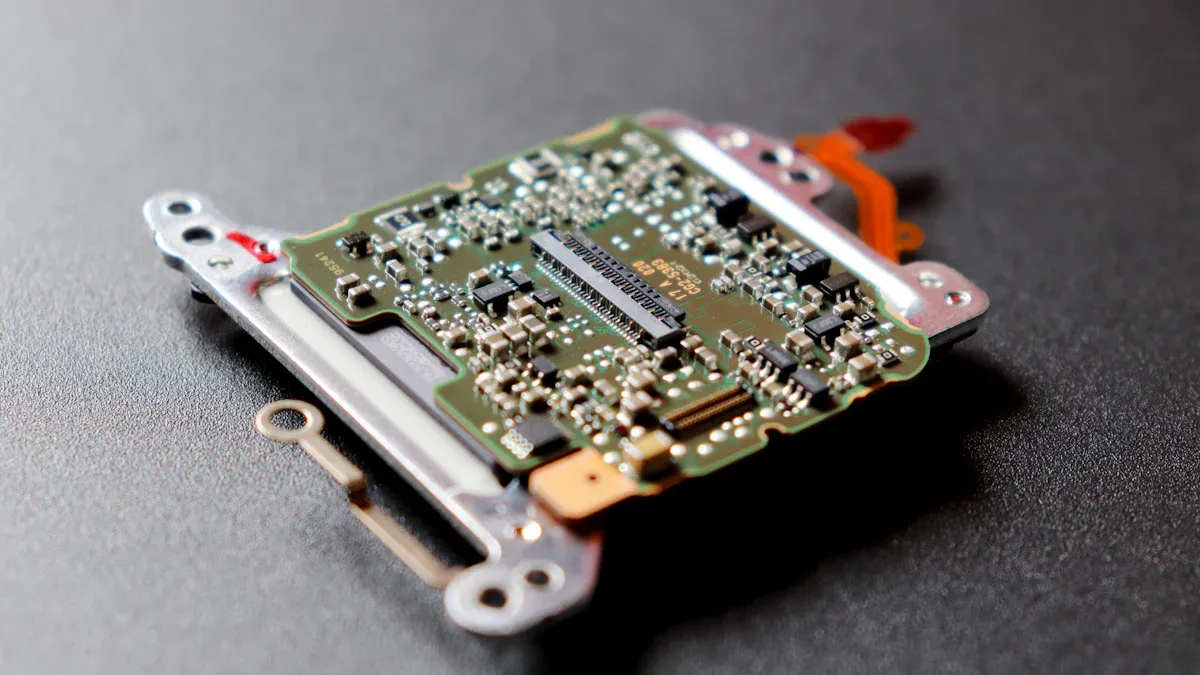
Small Outline Integrated Circuits are a kind of surface-mounted package. They use much less space than a dual in-line package. They are also much thinner than DIPs. This small size lets engineers put more parts on one board. These circuits are important in modern electronics. They help make devices smaller and lighter. Many companies pick them when they need to save space.
Structure
-
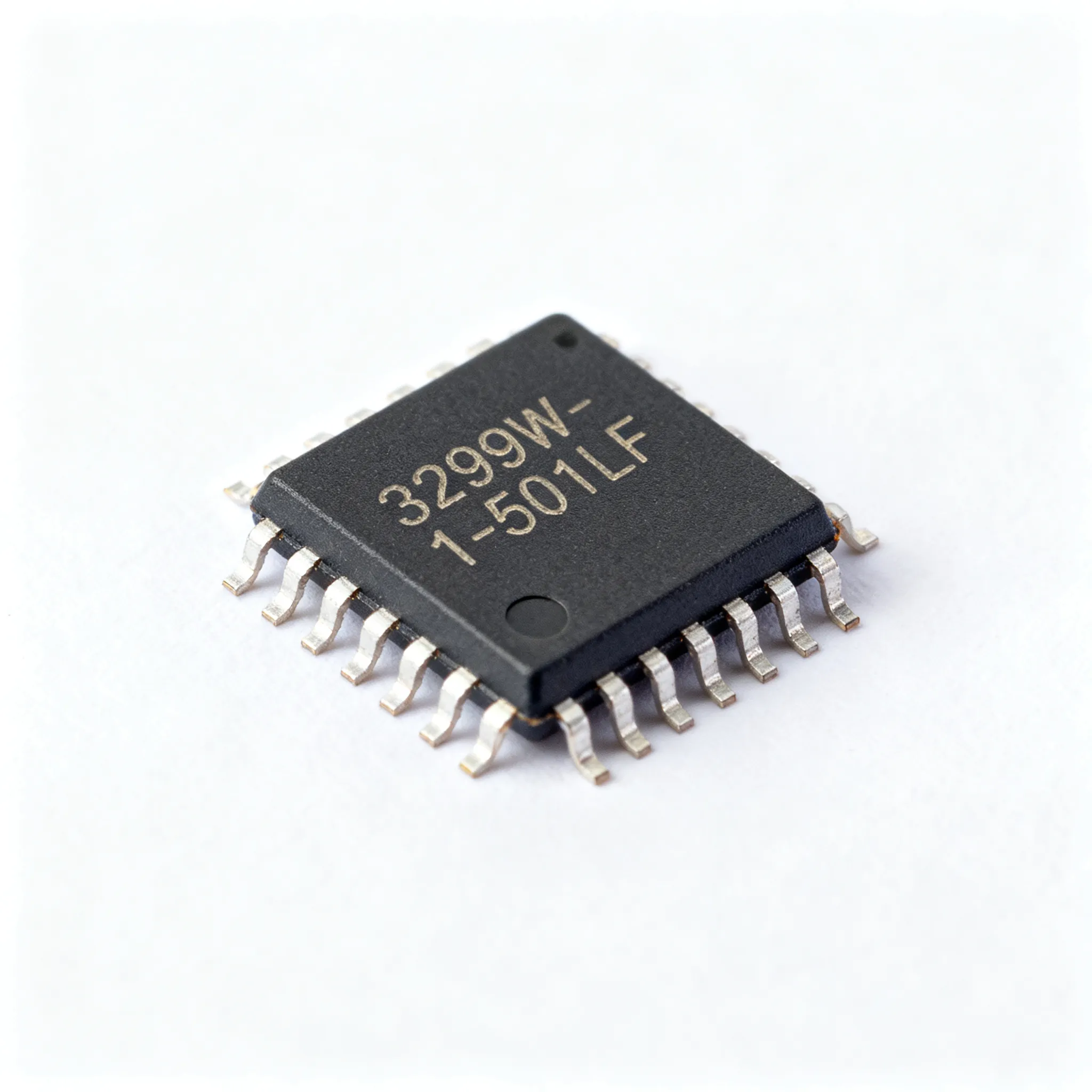
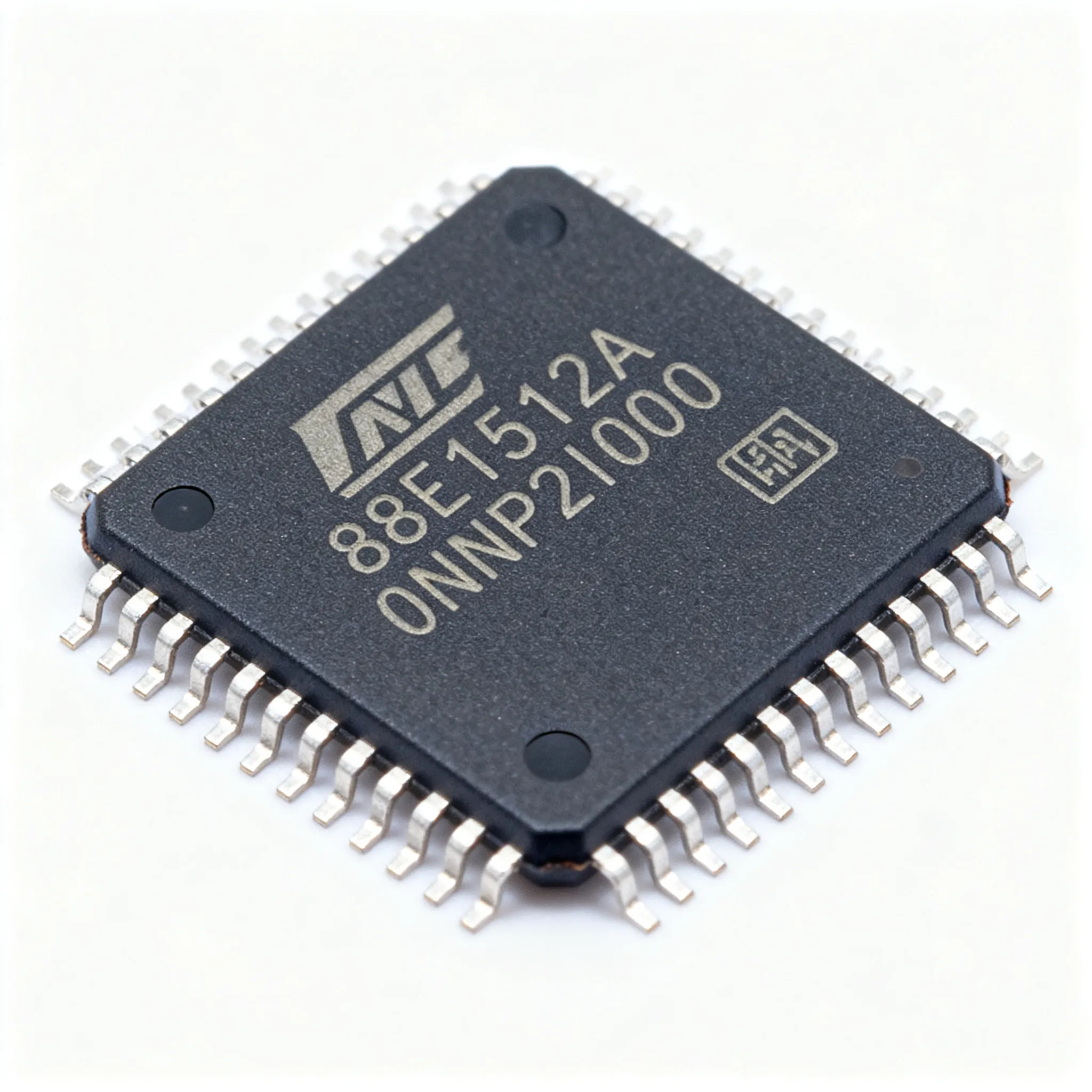
SOICs have a thin, rectangle body with metal legs on two sides. The legs bend out like a bird’s wing. This shape helps them stick well to the board.
-
There are two main types. One is narrow-body and about 3.9 mm wide. The other is wide-body and about 7.5 mm wide.
-
The space between each leg is 1.27 mm. This makes them easier to solder than some smaller packages.
-
SOICs often have 8 to 32 pins. Some have even more pins.
-
When compared to other packages:
-
SOICs are thicker and have bigger spaces between pins than TSSOP. This makes them easier to hold.
-
They have legs on just two sides. QFPs have legs on all four sides.
-
SOICs are smaller and use surface-mount technology. DIP packages use through-hole mounting.
-
Key Features
-
SOICs work with surface-mount technology. This lets machines place and solder them fast.
-
Their shape and size make them easy to check and fix.
-
They are a good mix of size, price, and how easy they are to use. This makes them popular for analog ICs, memory chips, and microcontrollers.
-
SOICs handle heat better than some other packages. But they are not the best for high-frequency or very hot uses.
-
These circuits let engineers put more parts on a board. This helps make devices stronger and smaller.
Note: Small Outline Integrated Circuits are not the same as System on Chip. SoC is a very integrated chip, not a package type.
SOIC Advantages
Space Efficiency
Engineers choose SOICs because they help save space on circuit boards. These packages have a compact shape and use less area than older types like DIP. The leads sit on two sides, which lets designers place more parts close together. This makes it possible to build smaller and lighter devices.
The table below shows the size of different SOIC packages. Each type uses a standard pin pitch of 1.27 mm. This small pitch allows for higher component density on the board.
|
Package Type |
Width (mm) |
Length (mm) |
Pin Pitch (mm) |
|---|---|---|---|
|
SOIC-4 |
3.90 |
4.90 |
1.27 |
|
SOIC-6 |
4.90 |
6.50 |
1.27 |
|
SOIC-8 |
5.30 |
9.90 |
1.27 |
|
SOIC-10 |
6.00 |
9.90 |
1.27 |
|
SOIC-12 |
6.50 |
9.90 |
1.27 |
|
SOIC-14 |
7.60 |
9.90 |
1.27 |
|
SOIC-16 |
8.20 |
10.30 |
1.27 |
|
SOIC-18 |
8.20 |
13.50 |
1.27 |
|
SOIC-20 |
9.90 |
14.30 |
1.27 |
|
SOIC-24 |
11.80 |
14.90 |
1.27 |
|
SOIC-28 |
11.80 |
15.40 |
1.27 |
|
SOIC-32 |
11.80 |
20.20 |
1.27 |

SOICs use surface-mount technology. This means they do not need holes in the board, so the board can be smaller. Devices like smartphones and tablets use SOICs to fit more features in a tiny space. Some SOIC types, like SSOP, have an even smaller pin pitch, which helps with miniaturization.
Tip: Using SOICs helps engineers design products that are both compact and powerful.
Manufacturing Benefits
SOICs work well with automated assembly lines. Machines can place and solder these packages quickly. The gull-wing leads make it easy for machines to check the solder joints. This reduces mistakes and saves time during production.
Compared to DIP packages, SOICs offer several manufacturing advantages:
-
They allow for double-sided mounting on printed circuit boards.
-
They reduce the amount of drilling needed, which lowers costs.
-
Their shape and size make them less likely to have soldering problems.
Manufacturers can fit more SOICs on a single board. This increases the number of features in a device without making it bigger. The use of surface-mount technology also means less material waste and faster assembly.
Performance
SOICs improve the performance of electronic devices. Their short leads help signals travel faster and with less loss. This design reduces the risk of signal problems like crosstalk and noise.
Testing shows that SOICs have strong reliability. They pass tests for things like resistance, leakage current, and breakdown voltage. Yields often reach over 99%, which means most parts work as expected. SOICs also handle heat better than some smaller packages, which helps keep devices safe.
Engineers use several methods to keep SOICs reliable:
-
They place components close together to shorten signal paths.
-
They use ground planes to lower electromagnetic interference.
-
They add thermal vias and heat sinks to manage heat.
Small Outline Integrated Circuits help designers build devices that are small, reliable, and fast. Their surface-mount design supports high-density layouts and strong signal integrity.
Applications

Consumer Electronics
Small Outline Integrated Circuits are found in many home gadgets. Engineers put them in smartphones, tablets, and laptops. These chips help make products thinner and lighter. Televisions, game consoles, and smartwatches also use SOICs. Because these circuits are small, companies can add more features. Devices do not get big or heavy. For example, a smartphone can have a camera, sensors, and wireless chips on one board. SOICs help keep everything small and work well.
Note: SOICs make it easy to build and fix devices. This helps companies give customers products that work well.
Automotive
Car electronics need parts that are strong and small. SOICs are used in many car systems. They control airbags, power steering, and engine sensors. The Automotive MEMS Sensor Market report says SOIC is important for these jobs.
-
SOICs are a good choice for size, price, and how they work.
-
Many car electronics still use SOICs, even as new types come out.
-
Using SOICs shows they are good for saving money and being reliable.
Car makers like SOICs because they work in tough places. These circuits help cars stay safe and work well.
Industrial and Medical
Factories and hospitals use SOICs in many machines. In factories, engineers put them in control panels, sensors, and power supplies. These circuits help machines work safely and smoothly. In medical devices, SOICs are in monitors, pumps, and test tools. Their small size lets people make portable and simple equipment.
SOICs help make devices that are small, strong, and easy to fix. This helps hospitals give better care and factories work better.
Considerations
Limitations
Small Outline Integrated Circuits have many good points, but they also have some downsides. Because they are tiny, it can be hard to handle them. People need special tools to put them on circuit boards. Soldering them by hand is tricky and mistakes happen more often than with bigger packages. SOICs are not always the best choice for every place. High heat or strong shaking can cause trouble. The thin leads can bend or break if you are not careful. Sometimes, SOICs cannot carry as much power as larger packages. This means they are not used in devices that need a lot of power.
Note: Fixing or changing SOICs on a board is harder than with bigger, through-hole packages. Technicians usually need special tools to take out and put in these parts.
Selection Tips
Picking the right IC package depends on what the project needs. Designers should think about the device size, how it will be made, and how it will be used. SOICs are best when there is not much space and the product will be made in big numbers. They are also good when you need strong electrical performance and good heat control.
The table below shows when to use SOICs or other packages like DIP:
|
Criteria |
SOIC Package |
DIP Package |
|---|---|---|
|
Size |
Compact, saves space |
Larger, takes more space |
|
Thermal/Electrical Performance |
Better for high-speed, less noise |
Lower performance |
|
Mass Production |
Great for automated assembly |
Less suited for automation |
|
Manual Handling/Repair |
Harder to handle by hand |
Easier to handle and repair |
|
Prototyping/Legacy Use |
Less common for prototyping |
Preferred for testing and old designs |
|
Cost (Low Volume) |
May cost more in small batches |
Often cheaper for small runs |
Tip: If you want a new, small device that needs fast signals and must work well, SOICs are a good pick. If you need easy repairs or simple testing, DIP packages might be better.
SOICs let engineers make devices that are smaller and faster. These devices also work better and last longer. More people want tiny and powerful electronics now. This helps SOICs become more popular in factories. The market for SOICs is getting bigger every year. By 2033, it may reach USD 540.9 million.
|
Aspect |
Details |
|---|---|
|
Projected Market Size (2033) |
USD 540.9 Million |
|
CAGR (2024-2033) |
5.2% |
|
Leading Region |
North America (40.2%) |

-
People want smaller and better electronics more each year.
-
New materials and machines help make SOICs stronger.
-
Electric cars and smart gadgets help SOICs improve.
SOICs will stay important as technology gets smaller and smarter.
FAQ
What does SOIC stand for?
SOIC means Small Outline Integrated Circuit. This package helps engineers use less space on boards. It uses surface-mount technology. The leads are on two sides.
How do SOICs differ from DIP packages?
SOICs use surface-mount technology. DIP packages use through-hole mounting. SOICs are smaller and thinner than DIP packages. They let engineers put more parts on a board.
Can someone solder SOICs by hand?
People can solder SOICs by hand, but it is tricky. You need special tools and some skill. The small leads make it harder than bigger packages. Many engineers use a magnifier and a fine-tipped iron.
Where do engineers use SOICs most often?
Engineers use SOICs in electronics, cars, and medical devices. These circuits help make products smaller and lighter. They also help make things more reliable.
Are SOICs good for high-power applications?
SOICs are not good for high-power uses. Their thin leads cannot carry much current. Engineers pick other packages for devices that need more power.