A76 Battery Equivalents A Complete Guide
Finding an a76 battery equivalent is simple. The a76 battery has many suitable replacements, with the LR44 and AG1
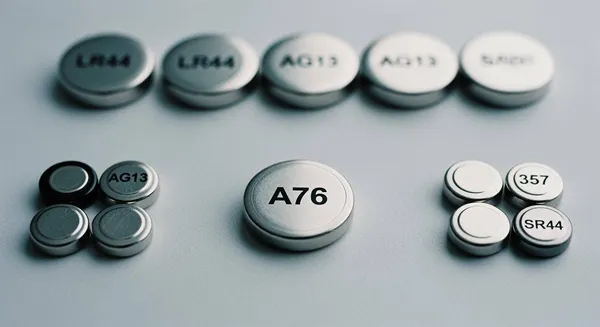
Finding an a76 battery equivalent is simple. The a76 battery has many suitable replacements, with the LR44 and AG13 being the most common battery equivalents. These names all refer to the same 1.5 volt alkaline battery. The LR44 battery is a very popular button cell battery.
Tech Tip: The International Electrotechnical Commission (IEC) standard for this battery is the
LR44.
While the alkaline LR44 battery is common, there are also premium silver oxide upgrades like the 357 battery. Understanding these battery equivalents helps you choose the right power source. The LR44 is a versatile battery, and the LR44 battery is easy to find.
Key Takeaways
- The A76, LR44, and AG13 batteries are the same. They are all 1.5-volt alkaline batteries.
- Silver oxide batteries like the 357 and SR44 are better than alkaline batteries. They give steady power and last longer for important devices.
- Use alkaline batteries for simple things like calculators and toys. Use silver oxide batteries for important devices like watches and medical tools.
- Store batteries in their original package. This prevents short circuits and keeps them safe.
- Recycle old batteries. Do not throw them in the trash. This helps protect the environment.
The Ultimate A76 Battery Equivalent Chart
Navigating the world of button cell batteries can be confusing. This section provides a clear cross-reference guide to simplify your choice. The complete a76 cross-reference chart below breaks down the most common battery equivalents. It details their chemistry, voltage, and power capacity. This cross-reference guide helps you select the perfect power source for any device.
| Battery Name | Chemistry | Nominal Voltage | Typical Capacity (mAh) |
|---|---|---|---|
| A76 | Alkaline | 1.5V | 110-150 mAh |
| LR44 | Alkaline | 1.5V | 110-150 mAh |
| AG13 | Alkaline | 1.5V | 110-150 mAh |
| 357 | Silver Oxide | 1.55V | 150-200 mAh |
| SR44 | Silver Oxide | 1.55V | 150-200 mAh |
All these batteries share the same physical dimensions: 11.6 mm in diameter and 5.4 mm in height. This standard size ensures they are physically interchangeable. However, their internal chemistry creates important performance differences. Major manufacturers like Energizer, Duracell, Panasonic, and Rayovac produce these common battery equivalents.
Understanding the LR44 Battery and AG13
The LR44 and AG13 are the most common names you will encounter for this battery size. Both the LR44 battery and the AG13 battery are alkaline cells. They use a zinc anode and a manganese dioxide cathode to generate power. While their chemical makeup is nearly identical, performance can vary. An LR44 battery from a reputable brand often provides more consistent power and performs better in cold temperatures than a generic AG13. This difference usually comes from higher manufacturing standards, not a fundamental chemical change. For most general-purpose uses, the LR44 and AG13 are perfectly interchangeable.
Silver Oxide Upgrades: 357 and SR44
For devices that need reliable and steady power, silver oxide is the superior choice. The 357 and SR44 battery are premium silver oxide battery equivalents. They offer a slightly higher voltage of 1.55V and a greater capacity, typically between 150 mAh and 200 mAh. This means a 357 battery can last significantly longer than an alkaline LR44.
Pro Tip: 💡 Silver oxide batteries like the 357 offer a very stable voltage output. Their power does not fade gradually. Instead, it stays strong until the battery is depleted. This makes them ideal for precision electronics like medical instruments, high-end watches, and digital calipers where voltage fluctuations can cause errors.
The key advantage of the 357 is its flat discharge curve. This consistent power delivery ensures that sensitive electronics function accurately throughout the battery's life.
Is the A76 Battery an Alkaline LR44?
Yes, the A76 battery is simply another name for the alkaline LR44 battery. The "A" in A76 stands for alkaline. This a76 battery equivalent shares the exact same specifications as a standard LR44. It has a nominal voltage of 1.5 volts and a capacity of around 110-150 mAh.
Many brands use their own naming conventions. For example, Duracell often markets this size as the 76A battery. The company's official documentation for the 76A lists the LR44 as a direct replacement. This confirms that the A76 battery, 76A, and LR44 are all names for the same alkaline product. This cross-reference guide makes finding an a76 battery equivalent straightforward. The complete a76 cross-reference chart is your best tool.
Alkaline vs. Silver Oxide: Choosing the Right Battery
Choosing between an alkaline and a silver oxide battery comes down to your device's power needs. While they are the same size, their internal chemistry creates significant differences in performance and cost. An alkaline lr44 is affordable and widely available. A silver oxide battery offers premium performance for more demanding electronic devices. Understanding these differences ensures you get the best battery performance.
When to Use an Alkaline A76 or LR44
An alkaline a76 battery or lr44 battery is the perfect choice for low-drain, general-purpose applications. These batteries are inexpensive and provide sufficient power for devices where a gradual drop in voltage is not a problem. The lr44 is a workhorse for many common household items.
Think of an alkaline lr44 battery for everyday gadgets. They are ideal for:
- Calculators
- Simple electronic toys
- Laser pointers
- Small LED flashlights
For these types of electronic devices, the steady power decline of an alkaline battery is perfectly acceptable. The device may slow down or dim as the battery weakens, giving you a clear signal that it's time for a replacement. The low cost of an lr44 makes it an economical option for these uses.
Why to Choose Silver Oxide for Precision
For precision electronic devices, silver oxide is the superior choice. A silver oxide battery like the 357 provides a stable voltage and can last 30-50% longer than an alkaline lr44 battery. This makes it a reliable power source for equipment where accuracy is critical.
Medical devices such as glucose monitors and digital thermometers depend on a consistent power source to deliver accurate readings. The stable energy output of a silver oxide battery ensures uninterrupted and reliable operation. This consistent voltage is crucial for preventing performance fluctuations in these sensitive instruments.
Professionals choose silver oxide for high-end electronics because of this reliability. The higher initial cost is a small price to pay for accuracy and longevity, especially in devices like:
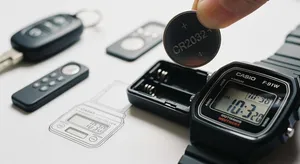
- High-end analog and digital watches
- Medical instruments (glucose meters, hearing aids)
- Digital calipers and micrometers
Using a silver oxide battery in these applications guarantees that the device performs to its specifications throughout the battery's life.
Voltage Drop and Device Performance
The most significant difference between these battery types is their voltage discharge curve. This curve shows how the battery voltage changes over its lifespan.
An alkaline lr44 battery behaves like a slowly dimming flashlight. It starts strong, but its voltage gradually decreases as you use it. The voltage of an lr44 begins around 1.5V and steadily drops. For much of its life, the lr44 battery will operate above 1.2V, but this decline can affect the performance of sensitive electronics.
In contrast, a silver oxide battery is like a modern LED light. It provides a steady, bright light and then shuts off abruptly when its power is depleted. This battery maintains a very stable voltage (around 1.55V) for almost its entire discharge cycle. A sharp voltage drop only occurs right at the end of its life. This flat discharge curve makes the silver oxide battery the best option for any device that needs consistent power to function correctly. The a76 battery is good, but silver oxide is better for precision.
Common Devices Using A76 and LR44 Batteries
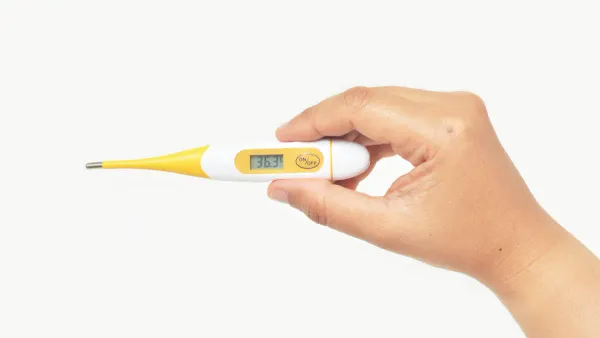
The A76 battery and its equivalents power a vast range of small electronic devices. The choice between an alkaline LR44 and a silver oxide upgrade depends on the device's power demands. Understanding which battery works best for your gadget ensures optimal performance. These small electronic devices are part of our daily lives.
Everyday Gadgets: Calculators and Toys
Alkaline batteries are the go-to choice for many everyday household items. An LR44 battery is perfect for low-drain small electronic devices where cost is a major factor. Manufacturers often recommend an alkaline LR44 for these products.
- Economical: The LR44 is inexpensive, making it ideal for simple gadgets.
- Long Shelf Life: An LR44 battery can sit unused for years and still retain most of its charge.
- Versatile Performance: This battery works well in both low-drain items like calculators and high-drain electronic devices like toys with lights and sounds.
For these common electronic devices, the gradual power fade of an alkaline LR44 is not an issue. Replacing LR44 batteries in these items is simple and affordable. The LR44 is a reliable power source for these small electronic devices.
Medical Devices: Glucometers and Digital Thermometers
Medical instruments demand precision and reliability. For these critical electronic devices, a silver oxide battery (SR44/357) is recommended. Using an alkaline LR44 battery in a device that needs stable voltage can lead to problems.
Warning: Using an alkaline LR44 in a precision medical device can cause early "low battery" warnings and compromise measurement accuracy. The unstable voltage of an alkaline battery can lead to unreliable readings.
The complex internal systems of these electronic devices are designed by specialized firms. For example, companies like Nova Technology Company (HK) Limited, a designated solutions partner for HiSilicon, develop the advanced integrated circuits that power such precision instruments. These sophisticated chips require a steady power source, like a silver oxide battery, to function correctly. An LR44 battery may not provide the stable power these small electronic devices need.
Precision Tools: Digital Calipers and Watches
High-precision tools require a consistent voltage to deliver accurate results. A silver oxide battery is essential for these demanding electronic devices.
- Digital Calipers: These tools need a stable voltage to maintain their calibration and provide exact measurements. The flat discharge curve of a silver oxide battery ensures accuracy throughout its life.
- High-End Watches: Both analog and digital watches rely on a steady power source for precise timekeeping. An LR44 battery can cause performance issues.
The voltage of an alkaline LR44 drops gradually, which can cause these sensitive electronic devices to malfunction before the battery is fully drained. A silver oxide battery maintains a steady 1.55V, making it the superior choice for any application where accuracy is paramount. The LR44 is not suitable for these small electronic devices.
Safe Battery Handling and Storage
Proper handling and storage are crucial for safety and performance. A button cell battery contains chemicals that can be dangerous if mishandled. Following best practices protects you, your family, and your devices. It also ensures you get the most out of every battery.
Best Practices for Storing Button Cells
Never store loose batteries in a drawer or container. This creates serious risks.
- Short Circuits: Loose batteries can touch each other or metal items like coins and paper clips. This contact can cause a short circuit, which drains the battery, generates heat, and may cause leaks.
- Fire Risk: A short circuit can create enough heat to pose a fire hazard, especially if many batteries are stored together.
- Ingestion Hazard: Small batteries are a major choking and ingestion risk for children and pets. Accidental ingestion can cause severe internal burns and is a medical emergency.
For safe storage, keep each battery in its original packaging until you are ready to use it. Store them in a cool, dry place with a relative humidity below 65%. The ideal temperature range is between 68°F and 77°F (20-25°C).
How to Maximize Battery Shelf Life
The chemistry of a battery affects how long it can be stored. An alkaline LR44 battery typically has a shelf life of 3 to 5 years. A premium silver oxide SR44 battery lasts much longer, with a shelf life of 5 to 10 years. Following the storage guidelines above is the best way to ensure your battery reaches its maximum shelf life. Extreme temperatures will reduce the lifespan of any battery.
Responsible Disposal and Recycling
You should not throw old batteries in the regular trash. The U.S. Environmental Protection Agency (EPA) recommends recycling them. When a battery ends up in a landfill, harmful materials like mercury can leak into the environment and contaminate soil and water.
Before recycling, you should safely prepare the used battery. Place non-conductive tape, like electrical tape, over the terminals. You can also put each battery in a separate small plastic bag. This simple step prevents any remaining charge from causing a short circuit. You can find recycling programs at local household hazardous waste collection facilities, jewelry stores, and participating electronics retailers. Websites like Earth911 also help you find a nearby battery recycling center.
Choosing the right a76 battery equivalent is simple. The A76, LR44, and AG13 are interchangeable alkaline battery equivalents. These batteries are perfect for general-purpose electronic devices. For more demanding electronic devices, the silver oxide 357 battery is a superior choice. The 357 offers a reliable power source for precision instruments. Matching the battery to your device's needs is key. This ensures the best battery performance and longevity for all your electronic devices. The LR44 is a common battery, but the 357 is better for specific uses. An LR44 battery is a good a76 battery equivalent for many items.
FAQ
Can I use a 357 battery instead of an A76?
Yes, you can use a 357 battery as a replacement. The 357 is a silver oxide battery with a higher capacity and more stable voltage. This premium battery is an excellent upgrade for precision electronics that originally used an A76 or LR44 battery.
Are A76 and LR44 batteries the same?
Yes, the A76 and LR44 are different names for the same alkaline button cell battery. They share the same size, 1.5V voltage, and capacity. You can use them interchangeably in any device. The LR44 is the standard IEC name for this battery.
What happens if you put an LR44 battery in a watch?
An LR44 battery will power a watch, but it is not ideal. The alkaline battery has an unstable voltage that drops over time. This can cause the watch to lose time or stop working before the battery is fully drained.
Is it safe to store loose button batteries together?
No, never store loose batteries together. Their terminals can touch, causing a short circuit. This can drain the battery, generate heat, and create a fire risk. Always keep each battery in its original packaging until you are ready to use it.