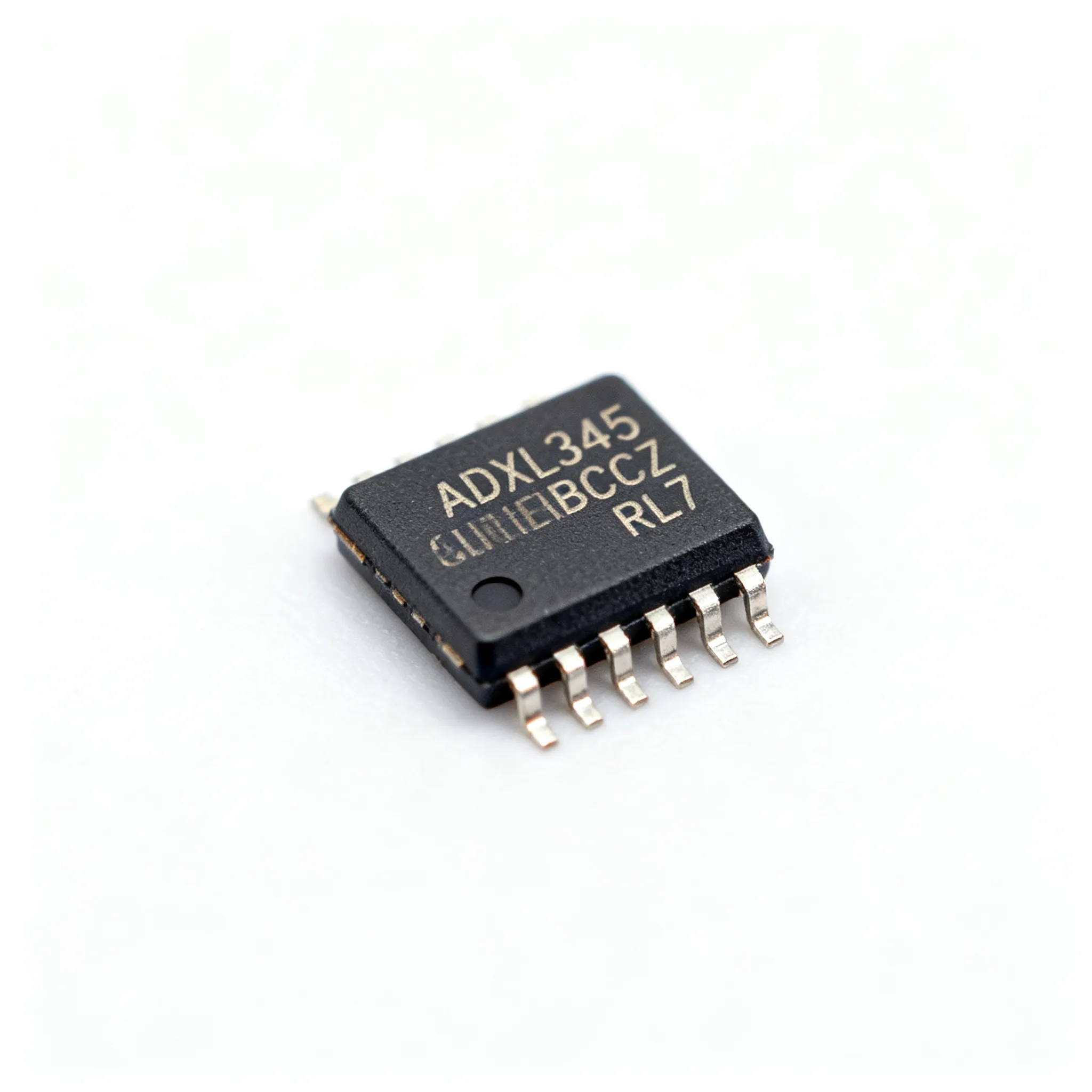
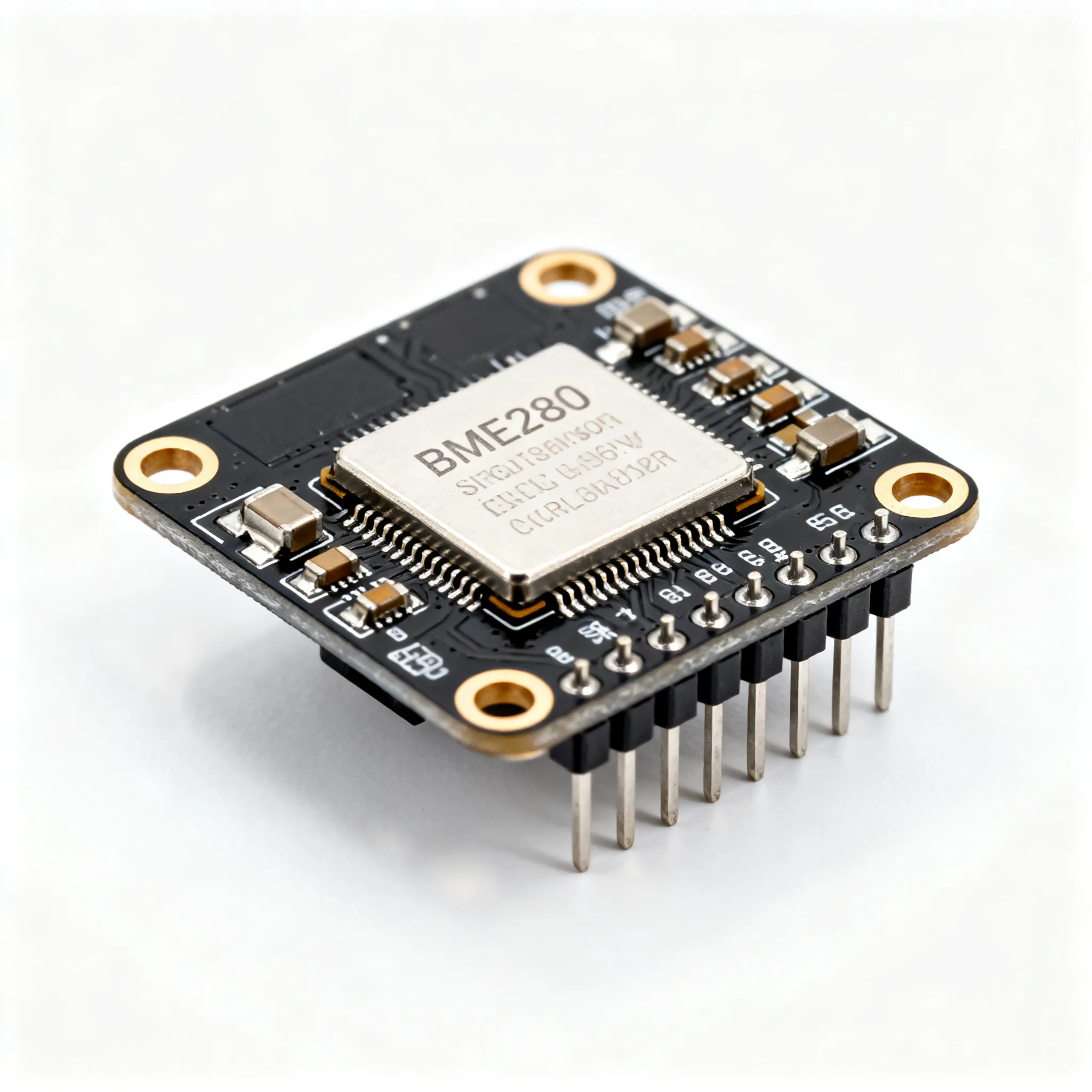
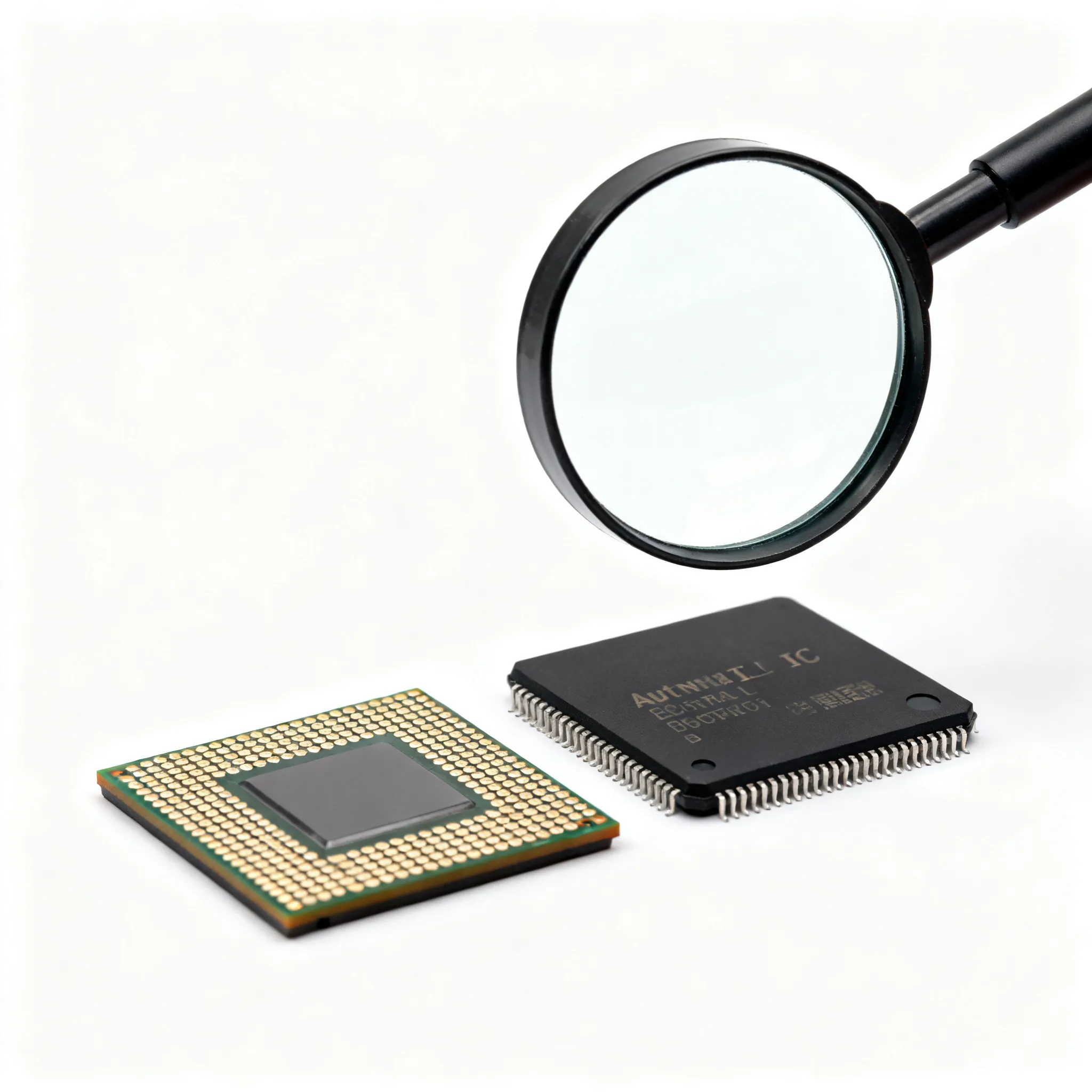
A Practical Approach to Choosing the Right RF Integrated Circuits for Wireless Systems
When you want to select the right RF integrated circuits for wireless systems, it's essential to focus on key performance checks. This becomes even more critical as new technology demands faster speeds and reduced delays.

When you want to select the right RF integrated circuits for wireless systems, it's essential to focus on key performance checks. This becomes even more critical as new technology demands faster speeds and reduced delays. Consider these points:
-
Power-saving mmWave circuits require careful performance testing.
-
Analyzing signal paths and fine-tuning antennas can significantly enhance growth, particularly with 5G and emerging technologies.
-
The rapid expansion of 5G highlights the importance of selecting the right RF integrated circuits.
These developments emphasize that aligning circuits with system requirements is vital. By evaluating compatibility, cost, and how components integrate, you can prevent errors and operate more efficiently.
Key Takeaways
-
Figure out what your wireless system needs first. This makes sure it works well and fits properly.
-
Check important things like noise levels and frequency ranges. These affect how well your RF circuits work.
-
Think about saving power in your RF designs. Saving power means less heat, more energy saved, and longer device life.
-
Pick RF parts that balance cost and performance. Get parts that work well without spending too much money.
-
Test your RF circuit choices by building samples. Testing early finds problems and makes sure your design works.
Define Wireless System Requirements
When building a wireless system, start by listing its needs. This helps you pick an RF circuit that fits your goals. By focusing on important features and specific uses, you can avoid errors and improve your design.
Key Performance Metrics for RF ICs
Knowing performance features is key when choosing RF circuits. These features show if a circuit can handle your system's tasks. Below is a table with some important features:
|
Performance Metric |
Description |
|---|---|
|
Transit frequency at unity current gain |
Shows the highest frequency the device works well at. |
|
Maximum frequency of oscillation |
The top frequency where the device can still oscillate. |
|
Noise |
Unwanted signals that can mess up performance. |
|
Adjacent channel power ratio (ACPR) |
Checks interference from nearby channels, important for clear signals. |
|
Breakdown voltage |
The highest voltage the device can take before breaking. |
|
Capacitor density |
Shows how many capacitors can fit in the circuit. |
|
Varactor and inductor quality |
Measures how well variable capacitors and inductors work. |
Each feature affects how well your system works. For example, noise can make signals unclear, while ACPR reduces channel interference. By studying these, you can pick an RF circuit that works well.
Application-Specific RF Needs
Different systems need different RF circuits. For example, satellites need high frequencies and low noise. IoT devices, however, need small parts and low power use.
Look at the RF circuits available to meet these needs. Low-noise amplifiers (LNAs) improve signal quality for high frequencies. Power amplifiers (PAs) make signals stronger for long distances.
Think about where your system will be used. A mobile device needs parts that handle changing signals. A base station needs circuits that are stable and powerful.
By matching RF circuits to your system's needs, you can boost performance and save energy. This ensures your wireless system works well in its environment.
Evaluate RF Integrated Circuit Specifications
Matching RF ICs to System Needs
When picking an RF chip, it must fit your system. Every wireless system has different needs. The RF chip should meet these needs without losing performance. Start by checking technical standards used in the industry. These standards help you decide if the RF chip is right for your use.
|
Standard |
Testing Method |
Description |
|---|---|---|
|
Stripline Method |
Tests the chip using a stripline setup like TEM cells. |
|
|
IEC 62132-9 |
Surface Scan Method |
Uses a probe to send RF signals to the chip for testing. |
These tests check if the RF chip works well in tough conditions. For example, the stripline test shows how the chip handles signal interference. This is important for keeping wireless communication clear.
Think about how the RF chip helps your system work better. Research shows flexible RF designs improve wireless communication. For example:
-
CMOS RF chips improve signal clarity and power for cell phones.
-
Real-time adjustments help devices work in changing signal conditions.
-
Wide tuning ranges allow better system adjustments for future needs.
By focusing on these points, you can choose an RF chip that works now and adapts later. This is especially important for advanced tech like 5G, where flexibility and performance matter most.
Power Efficiency in RF Designs
Saving power is key in RF designs, especially for battery devices. A good RF chip uses less power but still works well. To check power efficiency, look at lab tests and energy measurements.
|
Measurement Aspect |
Description |
|---|---|
|
No-load Output Voltage |
Shows how rectifiers work without needing extra voltage. |
|
Efficiency Limit |
Maximum rectifier efficiency is found to be 66.7%. |
|
Output Power Characteristics |
Tested across different chip technologies for accuracy. |
|
Design Methodologies |
Compares designs and results for various rectifier circuits. |
These tests show why each part of the RF system matters. For example, rectifiers and amplifiers affect the system's total efficiency. To get the best results, make each part efficient and ensure they work well together.
Practical design choices also matter. Wireless power systems need careful tuning to save energy and perform well. By improving the RF signal chain, you can cut energy waste and make your system last longer.
Saving power isn’t just about energy. It also keeps RF parts cooler, which makes them last longer. Choosing energy-saving RF chips helps your system work well and reduces its impact on the environment.
Ensure RF IC Integration and Compatibility
Design Compatibility Considerations
When picking an RF chip, it must match your system's needs. Compatibility is key for smooth communication and good performance. Standards like IEC 60601-1-2 and FDA Guidance help ensure electromagnetic compatibility (EMC). These rules are especially important for devices like medical tools that need high performance.
|
Standard |
Description |
|---|---|
|
IEC 60601-1-2 |
Sets EMC rules for medical devices, including tests and performance. |
|
FDA Guidance Document |
Requires RFID systems to follow EMC rules for reliable use. |
Check if the RF chip fits your system's design. For example, fractional-N synthesis lowers phase noise and speeds up PLL switching. This helps combine many parts on one chip. The UAA3536 transceiver is another option. It works well for GSM handsets, offering fast data and saving costs.
|
Integration Strategy |
Description |
|---|---|
|
Fractional-N Synthesis |
Cuts phase noise and speeds up PLL switching for better use. |
|
UAA3536 Transceiver |
A budget-friendly choice for GSM handsets with fast data speeds. |
Using these methods ensures your RF parts work well together. This improves how your system performs overall.
Packaging and Footprint in RF Systems
The size and packaging of RF parts affect how systems work. New packaging methods, like Antenna-in-Package (AiP), make RF systems smaller and better. These are great for 5G and 6G networks, where small size and high speed are needed.
-
AiP technology puts antennas inside the package, saving space and boosting performance.
-
Substrate materials like LTCC improve heat control and reduce signal problems.
-
Tiny packaging allows many parts, like amplifiers and transceivers, to fit in one module.
Picking the right packaging makes RF systems smaller and better. Smaller parts save space and handle heat better, even at high speeds. This is important for things like MIMO setups, where many transceivers share one chip to improve network speed and efficiency.
|
Application |
Description |
|---|---|
|
Satellite Communication |
RFSoC chips improve reliability and simplify communication systems. |
|
5G Networks |
Handles fast data and supports uses like enhanced mobile broadband (eMBB). |
|
MIMO Deployments |
Combines many transceivers on one chip for better network performance. |
By focusing on packaging, you can make RF systems that are efficient and ready for future upgrades.
Balance Cost and Availability of RF ICs
Cost-Performance Trade-offs
When picking RF parts, balance cost and performance carefully. Check how much a part helps your system without overspending. High-quality RF parts often cost more, but not all systems need them.
First, figure out the lowest performance your system can work with. For example, low-power IoT devices need energy-saving parts, not high-frequency ones. But for 5G base stations, spending more on high-frequency parts makes sense for better performance.
Compare different RF parts to find the best fit. Use a table to match their cost with key features:
|
Component Name |
Cost ($) |
Frequency Range (GHz) |
Power Efficiency (%) |
Performance Rating |
|---|---|---|---|---|
|
Component A |
5 |
0.8–2.4 |
85 |
Moderate |
|
Component B |
15 |
1.0–6.0 |
90 |
High |
|
Component C |
25 |
2.0–10.0 |
95 |
Very High |
This side-by-side view helps you choose wisely. It ensures your system works well without wasting money.
Long-Term RF IC Supply and Support
Having parts available is as important as their cost. Make sure the RF parts you pick will be easy to get for years. If parts run out or stop being made, it can slow production and raise costs.
Work with trusted suppliers who deliver parts reliably. Choose companies with a history of steady supply and long-term support. Some suppliers promise to keep parts available for many years, which is great for long-lasting products like medical tools or factory machines.
Think about future upgrades for your system. Pick RF parts that can handle changes, like wider frequency ranges or better performance. This way, your system can improve later without needing a full redesign.
By balancing cost, performance, and availability, you can build a strong RF system that works well now and in the future.
Test and Validate RF IC Selection
Prototyping and Testing RF ICs
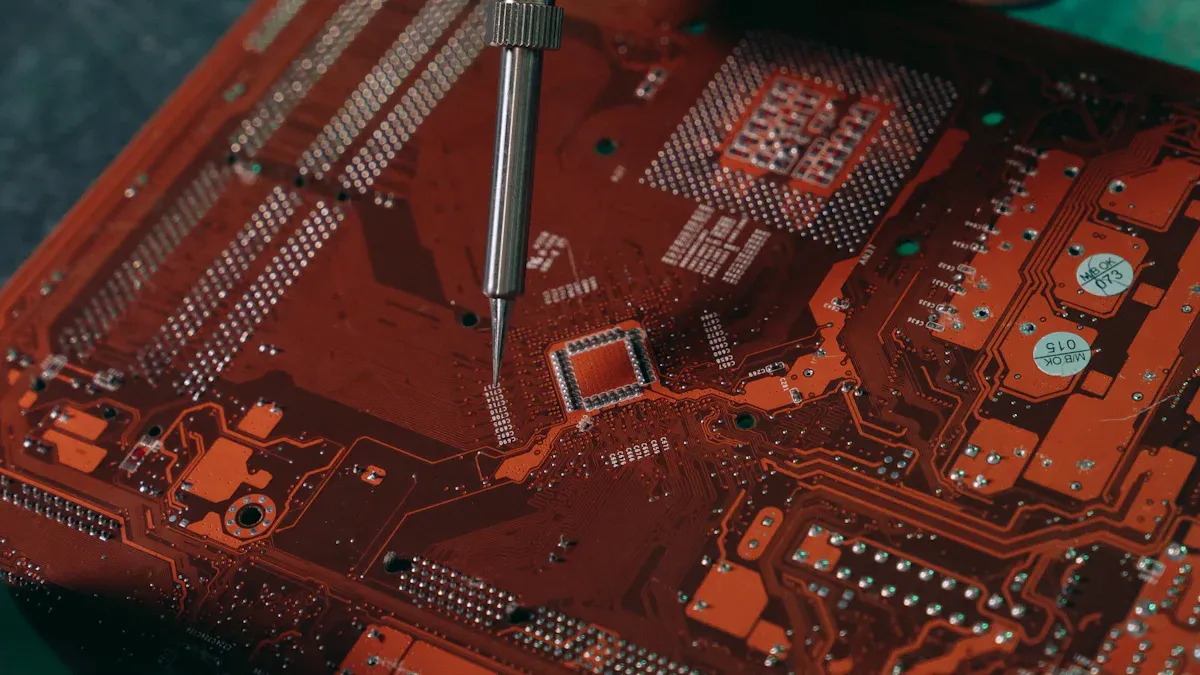
Making and testing prototypes is important for RF parts. Simulation tools show how RF systems work in real situations. After simulations, build prototypes to check if the design works well. Test things like signal strength, noise, and bandwidth to see how good the design is.
Testing should happen during every step of development. High-frequency signals are tricky, so testing helps avoid problems. Tools like the X-Microwave system make prototyping faster. You can build and test RF designs quickly, saving time.
After testing, compare physical results with simulation data. This step checks if the design is accurate before production. For example, tests show prototypes can change electromagnetic waves well. One test showed a frequency shift of 12 Hz during fast communication. These results show why testing is key for good performance.
Expert Feedback for RF Designs
Getting advice from experts helps improve RF designs. Experts find problems and suggest ways to make designs better. They also help adjust designs for uses like IoT or 5G systems.
Working with skilled engineers ensures RF parts meet industry rules. Experts know new trends and tech, helping designs stay updated. Their advice helps pick the best parts for your system, making it work better.
By using prototypes, testing, and expert advice, you can make RF systems that work reliably and perform well.
Picking the right RF integrated circuits helps your wireless system work well. Match your choice to system needs, compatibility, cost, and testing. Each part is important for making a design that fits your goals.
Tip: Always check datasheets closely. They show key details about performance and fit.
Testing your design early finds problems before they grow. Talking to experts can improve your choices and results. By doing these steps, you can create a strong and future-ready wireless system.
FAQ
What are RF integrated circuits used for?
RF integrated circuits manage radio signals in wireless devices. They are found in smartphones, IoT devices, and satellites. These circuits amplify signals, cut noise, and keep communication clear.
How do you choose the right RF IC for your system?
First, figure out what your system needs. Check things like frequency range, power use, and noise levels. Compare these needs to the RF IC's features. Make sure it fits your design and is worth the cost.
Why is power efficiency important in RF ICs?
Power efficiency saves energy and keeps devices cooler. This makes systems last longer, especially battery-powered ones. Efficient RF ICs also work better and are kinder to the environment.
Can RF ICs work in extreme environments?
Yes, some RF ICs are built for tough conditions. Space-grade RF ICs can handle radiation and big temperature changes. Always check the datasheet to see if it works in harsh places.
What tools can help you test RF ICs?
You can use simulation software or tools like X-Microwave. These tools test signal strength, noise, and other features. Testing makes sure your design works before it’s made.
Tip: Test your RF IC choice in real-world setups to avoid mistakes.