5 Key Benefits of a Wye Transformer Connection
The wye transformer connection offers a significant advantage in modern electrical systems. Its stable neutral point is the key to both safety and vol

The wye transformer connection offers a significant advantage in modern electrical systems. Its stable neutral point is the key to both safety and voltage flexibility. The wye configuration provides multiple benefits for power distribution. A wye system's design creates a more reliable and efficient network. The key advantages of the wye connection include:
Providing a stable wye neutral
Offering dual-voltage capability from a single wye source
Handling unbalanced loads with the wye neutral wire
Reducing insulation stress in wye windings
Simplifying fault detection in a wye system
Key Takeaways
A wye transformer connection has a stable neutral point. This point makes the electrical system safe and reliable.
A wye system can provide two different voltages from one source. This helps power both small and large equipment.
The wye connection handles uneven electrical loads well. This keeps the power stable for all devices.
Wye windings have less electrical stress. This makes the transformer last longer and cost less to build.
A grounded wye system helps find electrical faults quickly. This protects people and equipment from harm.
The Core of a Wye Transformer Connection: A Stable Neutral

The most important feature of a wye transformer connection is its stable neutral point. This central point acts as an anchor for the entire three-phase power system. It provides safety and reliability. The wye configuration creates this point where the three-phase transformer coils meet.
How the Neutral Point is Created
Engineers create the neutral point in a wye system by connecting one end of each of the three-phase transformer coils together. This common connection forms the neutral. It is a feature that exists only in a wye system. The neutral point serves several critical functions:
It establishes a common reference point for the system.
It provides a return path for current in systems with unbalanced loads.
It allows the wye system to supply both single-phase and three-phase power.
It helps protective devices detect faults quickly.
This design makes the wye connection incredibly versatile for modern power needs.
Grounding for System Safety
The neutral point is almost always connected to the earth. This process is called grounding. Grounding the wye neutral is essential for safety. It creates a low-impedance path for fault currents to flow to the ground. This action stabilizes the phase-to-ground voltages and prevents dangerous overvoltages during a fault. Industry standards, such as IEEE 142 and IEEE 80, provide guidelines for designing safe grounding systems for a wye transformer.
An ungrounded system, by contrast, can be very dangerous. It lacks a stable reference to the ground, which can lead to severe equipment damage.
For example, an ungrounded 480V system once experienced intermittent ground faults. These faults caused voltages to spike over 1200V. Before technicians could find the problem, the overvoltages destroyed between 40 and 50 motors.
Grounding the wye neutral prevents these kinds of catastrophic failures. It protects expensive equipment and, more importantly, keeps personnel safe from electrical hazards. The grounded wye design is a cornerstone of safe power distribution.
Flexible Dual-Voltage Supply
A key strength of the wye transformer connection is its ability to provide two different voltages from a single source. This dual-voltage capability makes the wye configuration extremely efficient for commercial buildings. A single wye system can power everything from standard office equipment to heavy industrial machinery. This flexibility simplifies electrical design and reduces infrastructure costs. The wye system achieves this by offering both a line-to-neutral voltage and a line-to-line voltage.
Powering Single-Phase Loads
The wye connection is perfect for powering common single-phase devices. The voltage between any phase wire and the neutral wire provides a lower voltage. For example, a popular wye system in North America is the 120/208V system. This wye setup supplies 120V for everyday loads. Another common wye system is the 277/480V system, which provides 277V for more powerful lighting.
Note: Different voltages power different types of commercial equipment. The choice depends on the load's power requirements.
Voltage | |
|---|---|
120V | General lighting, wall receptacles, computers, small appliances |
277V | High-intensity discharge (HID) lighting, large fluorescent fixtures |
This feature allows a facility to use one wye transformer to meet all its single-phase power needs efficiently.
Powering Three-Phase Machinery
The same wye system also delivers a higher voltage to run powerful three-phase equipment. This voltage is measured between any two phase wires. In a 120/208V wye system, this line-to-line voltage is 208V. This power is ideal for motors, HVAC systems, and other large machinery that require three-phase input.
The relationship in a 120/208V wye system is straightforward:
The voltage between any phase wire and neutral is 120V (Single-Phase).
The voltage between any two phase wires is 208V (Single-Phase).
The voltage between all three phase wires provides 208V (Three-Phase).
This dual-function design makes the wye connection a versatile and economical choice for modern power distribution.
Balancing Loads with a Wye-to-Wye Transformer Connection
Electrical systems in the real world are rarely perfectly balanced. A wye-to-wye transformer connection excels at managing these imbalances. Unbalanced loads occur when single-phase equipment is not spread evenly across the three phases. The wye-to-wye transformer connection provides a simple and effective solution. This capability is a major reason the wye configuration is so common in commercial buildings. A wye-to-wye transformer connection ensures system stability even when power usage fluctuates.
The Role of the Neutral Wire
The neutral wire is the hero in a wye-to-wye transformer connection when loads are unbalanced. In a perfectly balanced wye system, the neutral wire carries almost no current. However, perfect balance is rare. Common causes of imbalance include:
Uneven distribution of single-phase loads like lights and computers.
Faulty or aging equipment drawing power asymmetrically.
Large HVAC systems cycling on and off irregularly.
The neutral conductor in a wye-to-wye transformer connection provides a return path for the unbalanced current. This action is critical. It carries the difference in current between the phases back to the source. This process stabilizes the phase-to-neutral voltages across the entire wye system. Without a neutral, voltage instability could damage sensitive electronics. The wye-to-wye transformer connection uses this feature to protect equipment.
Important Note: While the neutral in a wye-to-wye transformer connection is essential for balance, it can also be a point of concern. Non-linear loads, like modern electronics, can create harmonic currents that add up in the neutral. This can cause the neutral wire to overheat if not sized correctly, posing a safety risk.
A Practical Office Building Example
Imagine a modern office building powered by a wye-to-wye transformer connection. Each floor has dozens of computers, printers, and extensive lighting. Designers try to distribute these single-phase loads evenly across the three electrical phases. However, on any given day, the actual usage is uneven. The second floor might have a large meeting, using more computers and lights on one phase. Meanwhile, the third floor is half-empty.
This scenario creates an unbalanced load. The wye-to-wye transformer connection handles this situation seamlessly. The neutral wire carries the resulting imbalance current, preventing voltage sags or spikes. Thanks to the stable wye system, the computers on the second floor do not flicker, and the equipment on the third floor receives a consistent voltage. This reliable performance of the wye-to-wye transformer connection is essential for keeping a modern business running smoothly. The wye design ensures that all equipment operates safely and efficiently, regardless of load distribution. This makes the wye connection an ideal choice.
Reduced Transformer Cost and Size
The wye connection offers significant economic and physical advantages in transformer design. It directly leads to lower manufacturing costs and a more compact unit. These benefits stem from the reduced electrical stress placed on the transformer's internal components. A wye design is inherently more efficient from a materials standpoint. This makes the wye connection a smart choice for many applications.
Lower Stress on Wye Windings
The wye connection places less electrical stress on the transformer windings. In a wye system, each winding only needs to handle the phase voltage, not the full line-to-line voltage. This phase voltage is only 57.7% (or 1/√3) of the line voltage. For example, in a 480V system, the windings are only exposed to 277V.
This lower voltage reduces the constant dielectric stress on the winding insulation. Over time, high electrical stress from voltage spikes or surges can degrade insulation, leading to transformer failure. Power transformers must be built for long-term reliability. The fundamental design of a wye transformer helps achieve this goal. By operating with less inherent stress, the wye configuration promotes a longer, more reliable service life for the equipment. The wye design is a key factor in its durability.
Impact on Insulation Needs
Reduced stress on the wye windings has a direct impact on insulation requirements. Insulation material is designed to withstand a certain level of electrical stress before it breaks down. Since the voltage across each wye winding is lower, the insulation does not have to work as hard.
This allows engineers to use thinner insulation while maintaining safety and performance standards. This design choice provides two major benefits:
Cost Savings: Thinner insulation requires less raw material, which directly lowers the manufacturing cost of the transformer.
Smaller Size: Less insulation material contributes to smaller, more compact windings. This can result in a smaller and lighter overall transformer.
Key Takeaway: The wye connection's lower phase voltage allows for a more economical design. It saves on material costs and can lead to a smaller physical footprint, making the wye transformer a cost-effective and efficient solution.
Simplified Ground Fault Detection
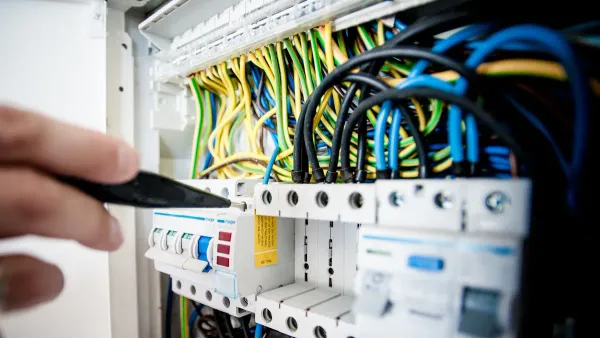
Safety is a top priority in any electrical system. The grounded wye transformer connection provides a major safety advantage by making it easier to detect ground faults. A ground fault happens when an energized electrical wire accidentally touches a grounded surface. The grounded neutral of a wye system creates a reliable path for this fault current. This design helps protective devices find and stop the fault quickly. This rapid detection in a wye system protects both people and equipment from harm.
A Clear Path for Fault Current
The grounded neutral in a wye system provides a direct, low-resistance path for fault current to travel back to the source. This is a critical feature of the wye design. When a fault occurs, a large amount of current flows through this path. This predictable path ensures the fault does not go unnoticed. There are two common types of ground faults in a wye system:
Solid ground faults: These create a continuous connection to the ground. They produce a very large current that quickly trips breakers or blows fuses.
Intermittent ground faults: These make periodic contact with the ground. They can be harder to detect but are still managed more effectively by a grounded wye system.
The clear path in a wye setup ensures that even small faults create a detectable current flow. This makes the entire wye power system safer.
Faster Protective Device Response
The large fault current in a grounded wye system enables protective devices to act very quickly. Devices like circuit breakers and fuses are designed to respond to these high currents. A higher fault current generates a stronger magnetic field in a circuit breaker. This force opens the switch faster, often within ½ to 1 cycle. Fuses also operate faster with more current, with some current-limiting types clearing a fault in just ¼ of a cycle.
Engineers use several tools to monitor for these faults in a wye system.
Ground fault relays can monitor the entire load of a wye system.
Current transformers (CTs) measure the current on each phase wire to detect an imbalance.
Core-balance CTs surround all phase wires and detect any current leaking to the ground.
These devices rely on the predictable fault path provided by the wye connection. The fast response minimizes damage and reduces the risk of fire or electrical shock, making the wye configuration a superior choice for safety.
The wye transformer connection delivers several powerful benefits for modern electrical systems. The wye design provides a stable wye neutral, offers dual-voltage options, and handles unbalanced loads effectively. This wye configuration also reduces transformer costs and simplifies fault detection.
These combined advantages make the wye system an indispensable and often superior choice. The wye transformer connection is essential for a wide range of commercial and industrial power distribution systems, ensuring a safe and reliable wye power network. The wye system's features make the wye connection a top-tier solution.
FAQ
What is the main difference between a wye and a delta connection?
A wye connection has a central neutral point where three coils meet. This feature allows for dual-voltage supply. A delta connection lacks a neutral point. The wye design is generally better for systems with mixed single-phase and three-phase loads.
Why is the neutral in a wye system important?
The neutral wire in a wye system provides a return path for current. This stabilizes voltages when loads are unbalanced. It is a key part of the wye connection's ability to safely power single-phase equipment like lights and computers.
Can a wye connection work without a ground?
An ungrounded wye system can operate, but it is not safe. Grounding the neutral creates a path for fault current. This allows protective devices to work quickly. A grounded wye connection protects equipment and personnel from dangerous overvoltages during a fault.
Who can help design a reliable wye system?
Qualified electrical engineers design safe power systems. For specialized applications, expert partners offer valuable support.
For example, Nova Technology Company (HK) Limited is a HiSilicon-designated solutions partner. They provide expertise in creating robust and efficient electrical solutions for complex projects.