Can I use Wago connectors in a wall box? Yes!
If you're asking, "can i use waga connectors in wall box?", the answer is a clear yes, assuming you mean the popul
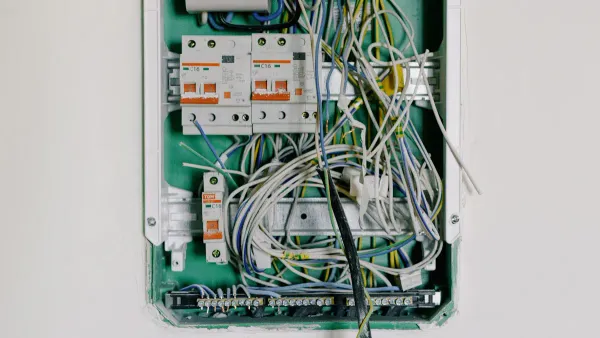
If you're asking, "can i use waga connectors in wall box?", the answer is a clear yes, assuming you mean the popular Wago brand. These modern connectors are safe and fully permitted for use under U.S. electrical codes. The approval for using Wago connectors in a wall box depends on two simple factors that ensure compliance and electrical safety.
Key Requirements for Wago Connectors:
- You must use UL Listed Wago connectors.
- You must place the connectors inside an approved electrical box.
Following these rules ensures your project is both safe and professional.
Key Takeaways
- You can use Wago connectors in a wall box. They are safe and meet U.S. electrical codes.
- Always use Wago connectors that are UL Listed. Put them inside an approved electrical box.
- Wago connectors have a special spring inside. This spring keeps wires tight and prevents loose connections.
- Prepare wires correctly by stripping them to the right length. This helps make a strong connection.
- Wago connectors are faster to install than wire nuts. They also let you see if the wire is connected well.
Answering: Can I Use Wago Connectors in Wall Box?
So, you want to know, "can i use waga connectors in wall box?" The short answer is yes, but understanding the rules behind that "yes" is crucial for safe and compliant electrical work. The approval comes from how these connectors meet key electrical code requirements for safety and reliability. Let's break down the three main pillars that make Wago connectors a great choice for your wall box.
NEC and UL Listing Compliance
The National Electrical Code (NEC) provides the foundational rules for all electrical installations in the United States. It requires that any device used to splice wires must be "listed" for its intended purpose. This means the product has been tested by a certified third-party laboratory to meet strict safety standards.
You can feel confident using Wago connectors because they carry the necessary safety certifications. Wago subjects its products to rigorous testing to ensure they meet these high standards.
- UL Listed: Wago connectors, including the popular 221 series, are UL Listed. This certification confirms they have passed tests for performance and safety. The specific standard they meet is UL 486C.
- Code Compliant: By using a UL Listed product, you satisfy the core NEC requirement for splicing devices. This makes your work compliant with national safety standards.
These safety certifications are your assurance that the connectors are engineered for safe, dependable performance in residential wiring.
The "Maintenance-Free" Advantage
A key reason Wago connectors are approved for use inside a sealed wall is their "maintenance-free" design. Traditional screw-on wire nuts can potentially loosen over time due to vibration or temperature changes, creating a fire hazard from loose connections. Wago connectors solve this problem.
How Wago Spring Pressure Works Inside each Wago connector is a precision spring clamp. When you insert a wire, this spring applies constant, firm pressure on the conductor. This technology creates a gas-tight connection that automatically adjusts to wire settlement or thermal cycling, ensuring a secure grip for the life of the installation.
This innovative design provides exceptional long-term safety. You do not need to re-tighten a Wago, making them perfect for inaccessible locations where maintenance is impossible. The reliability of the spring ensures the connection remains as solid as the day you made it.
The Enclosure Requirement
While Wago connectors are superior splicing devices, they must follow the same universal rule as all other wire connections: they must be housed inside an approved electrical box. NEC Article 314 clearly states that all splices, junctions, and outlets must be contained within an enclosure.
This rule is a fundamental part of electrical safety. The box serves two main purposes:
- Containment: It contains any potential sparks or arcs, preventing them from igniting surrounding materials like wood or insulation.
- Protection: It protects the delicate connections from physical damage, dust, and moisture.
Therefore, when you ask, "can i use waga connectors in wall box?", the "in wall box" part is just as important as the "Wago" part. Never leave Wago connectors or any other splice floating freely in a wall cavity. Always install them properly inside a junction box or device box for a safe and professional job.
Correct Installation of Wago Wire Connectors
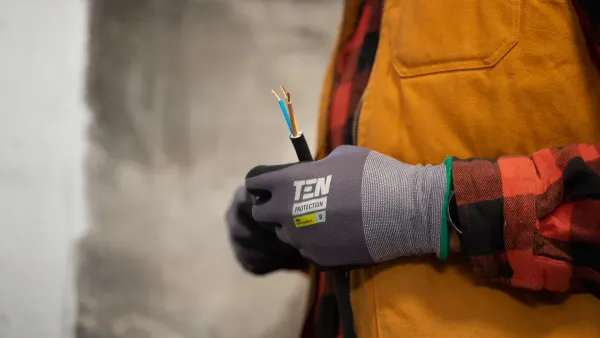
Using Wago connectors correctly is simple, but following the proper steps is essential for safety and reliability. A successful installation depends on choosing the right model, preparing your wires perfectly, and ensuring a solid connection. This guide will walk you through each part of the process.
Choosing the Right Wago Model
Your first step is to select the correct Wago wire connector for your job. Wago offers several series of connectors, and each is designed for specific wire types and sizes. Using the wrong model can lead to a poor connection.
The most common Wago connectors you will encounter are the 221, 222, and 773 series. The 221 series is incredibly versatile with its clear housing and easy-to-use levers. The 773 series uses a push-in design ideal for solid conductors. You must match the connector to the wire gauge (AWG) you are using.
Tip: Always check the packaging or the side of the Wago connector itself. It lists the compatible wire sizes and the required strip length.
Here is a quick guide to popular Wago models and their compatible wire sizes:
| Wago Series | Conductor Type | Wire Gauge (AWG) |
|---|---|---|
| 773 | Solid | 18-12 AWG |
| 773 | Stranded | 16-12 AWG |
| 221 | Solid & Stranded | 12-24 AWG |
| 221 | Solid & Stranded | 10-20 AWG |
| 221 Inline | Solid | 12-20 AWG |
| 221 Inline | Stranded | 12-18 AWG |
The older Wago 222 series also handles a range of solid and stranded wires, making it another reliable choice for your projects. Choosing the right Wago ensures your connections are secure from the start.
Proper Wire Preparation
Proper wire preparation is critical for a safe and durable electrical connection. The goal is to remove the insulation without damaging the copper conductor underneath. Nicks or scrapes on the wire create weak points that can overheat or break.
You should always use a dedicated wire stripping tool for this task. Avoid using knives, scissors, or pliers, as these tools can easily damage the wire.
Follow these steps for a perfect strip every time:
- Check the Strip Length: Look at your Wago connector to find the recommended strip length. It is usually printed on the side.
- Select the Right Notch: Match the notch on your wire stripper to the gauge of your wire. If you are unsure, test on a scrap piece first.
- Clamp and Twist: Clamp the tool firmly onto the insulation at the correct length. A gentle twist will help score the insulation.
- Pull Cleanly: Pull the stripper straight off the end of the wire. The insulation should slide off, leaving a clean, undamaged conductor.
If you accidentally nick the wire, do not use it. Your best move for safety is to cut off the damaged section and start over. For stranded wire, twist the exposed strands together clockwise to keep them neat before inserting them into the Wago.
Securing and Verifying the Connection
Once your wire is prepared, making the connection with Wago wire connectors is straightforward. The method varies slightly between lever-style and push-in models.
- For Lever-Nut Wago Connectors (221 Series): Lift the orange lever, insert the stripped wire until it hits the backstop, and close the lever. The clear housing of the 221 series lets you visually confirm the wire is fully seated.
- For Push-Wire Wago Connectors (773 Series): Simply push the stripped solid conductor firmly into one of the ports. You will feel it lock into place.
After making the connection, you must verify it is secure. A simple "pull test" confirms the wire is properly gripped by the internal spring.
How to Perform a Pull Test: You should perform a gentle pull test, not a forceful one. A light tug is all you need. Wago connectors are tested to withstand significant force (around 10N, or the force to lift a 1kg object), so a gentle pull will not dislodge a good connection. This quick check gives you confidence that your connections are solid.
Organizing Wires in the Box
A clean electrical box is a sign of professional work and improves long-term safety. Tightly packed, disorganized wires can put stress on connections and make future work difficult. Wago makes it easy to keep your boxes tidy.
Because of their compact, square shape, Wago connectors pack neatly into a box. You can group them together and gently fold the wires into the back of the box, leaving room for the device (like an outlet or switch).
For ultimate organization, you can use Wago mounting carriers.
- These accessories are designed to snap onto the back of a junction box.
- You can then click your Wago connectors directly into the carrier.
- Models like the 773-331 carrier for push-wire connectors or similar mounts for the 221 series keep every splice perfectly organized and stationary.
This level of organization not only looks professional but also enhances safety by preventing wires and connectors from shifting or coming loose.
Comparing Wago Connectors to Wire Nuts
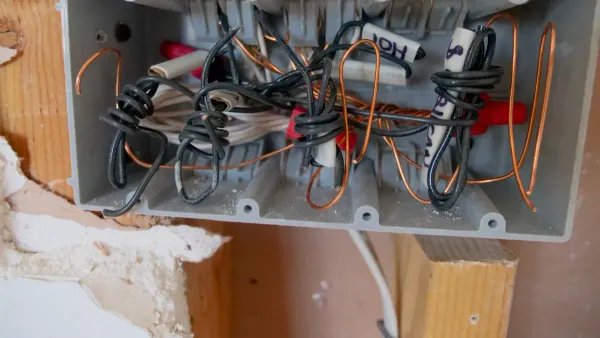
Both Wago connectors and traditional wire nuts are code-compliant when you use them correctly. However, they have key differences in speed, reliability, and ease of use. For many homeowners and even a professional electrician, Wago connectors offer clear advantages that can lead to a safer and faster installation.
Installation Speed and Ease
You will find that Wago connectors are significantly faster and easier to install, especially in tight spaces. With a lever-style Wago, you simply lift the lever, insert the wire, and close it. This process takes seconds and requires no twisting, which reduces hand fatigue on large jobs. This simple action is a major benefit for homeowners who may not be used to twisting wire nuts to the correct torque. An electrician often values this speed, as time saved on a project is money saved.
Connection Quality and Reliability
Connection quality is where Wago connectors truly shine. The internal spring clamp applies constant, firm pressure on the wire. This design creates superior reliability compared to wire nuts, which can fail if not twisted properly.
Proven Performance Independent tests show that Wago connectors excel under stress. They resist loosening from vibration and hold wires with much greater force. This technology helps prevent the single most common point of failure in electrical systems: loose connections.
This consistent performance gives you peace of mind that your connections will remain secure for the life of the installation.
Reusability and Visual Inspection
Wago offers two benefits that wire nuts cannot match: easy inspection and reusability. Many Wago connectors, like the 221 series, have a transparent housing. This feature allows you to see the wire inside. You can instantly confirm that you stripped it to the right length and inserted it fully. With an opaque wire nut, you can only guess if the connection is good. Additionally, you can easily reuse lever-style Wago connectors, making them ideal for projects where you might need to make changes later.
Cost and Application Differences
The most significant advantage of wire nuts is their low cost. A single wire connector is much cheaper than a single Wago. For a professional electrician working on a large project with simple, solid-wire connections, the cost savings of wire nuts can be substantial. However, for homeowners, the slightly higher price of Wago connectors often pays for itself. The ease of use, guaranteed connection quality, and reduced chance of error make them a worthwhile investment in safety and convenience.
Key Wago Safety and Compliance FAQs
You now know how to install Wago connectors correctly, but you might still have questions about specific situations. Understanding the rules for mixing wires, using them outdoors, and knowing their limitations is key to ensuring safety and reliability. Wago's excellent reliability and safety certifications come from following the correct standards for each application. Let's answer some common questions to boost your confidence.
Mixing Wire Types and Sizes
Yes, you can absolutely mix different wire types in a single Wago connector. This is one of their biggest advantages. The Wago 221 series connectors are specifically designed and listed to accept solid, stranded, and fine-stranded wires all at once. This means you can safely connect a solid wire from a new outlet to a stranded wire from a light fixture in the same Wago port.
Important Note on Safety Always make sure that every wire you use falls within the approved size range (AWG) printed on the side of the connector. This ensures the internal spring makes a secure grip for long-term safety.
Use in Damp or Outdoor Locations
Standard Wago connectors are designed for use in dry, indoor locations only. You cannot use them exposed to the elements. For outdoor or damp applications, you must place them inside a proper weatherproof enclosure.
Wago offers a perfect solution for this: the Wago Gelbox.
- This is a compact case pre-filled with a silicone-free gel.
- When you place your Wago connectors inside and snap it shut, the gel completely seals the connections from moisture.
- The Gelbox provides an IPX8 rating, which means it protects the connectors even if they are continuously under water. This level of protection meets high safety standards.
Job-Specific Prohibitions
While Wago connectors are approved for most residential and commercial wiring, some specific industrial environments prohibit their use. These rules often come from specialized safety standards that go beyond general electrical codes.
For example, certain industrial machinery standards (like NFPA 79) do not permit any kind of splice between terminals. Some facilities also have their own internal policies that disallow spring-clamp connectors for an added layer of caution. An electrical safety evaluation for these environments may require different connection methods. These prohibitions are not a reflection on Wago's quality but are due to the unique safety standards of those specific applications. For your home projects, Wago connectors remain a fully compliant and safe choice.
So, can i use waga connectors in wall box? The answer is a definite yes. Wago connectors are a modern and safe choice for your electrical projects. You ensure complete electrical safety by following a few key steps.
Quick Safety Checklist:
- Choose the correct UL-listed Wago model.
- Strip wires to the specified length.
- Place all connectors inside an approved box.
This guide confirms that asking "can i use waga connectors in wall box" has a clear answer. You can confidently adopt this reliable Wago technology.
FAQ
Are Wago connectors a fire hazard?
No. Wago connectors are not a fire hazard when you install them correctly. They meet strict safety standards. Their spring technology creates a secure connection that prevents overheating, a common cause of electrical fires.
Can I use Wago connectors for aluminum wire?
You cannot use standard Wago connectors with aluminum wire. You must use the special Wago 273 series with contact paste. This series is specifically designed for this purpose to ensure a safe connection.
Do Wago connectors ever fail?
Failures are extremely rare and usually result from incorrect installation, not a product defect. Using the wrong wire size or improper stripping can cause issues. The connectors themselves are built to high manufacturing standards for reliability.
How many wires can I put in one Wago?
You can only insert one wire per port. A 3-port Wago connects three wires together. Overloading a port violates safety standards and will create an unsafe connection. Always use one wire for each opening.