microcontroller
Expert guide on microcontroller. Technical specs, applications, sourcing tips for engineers and buyers.
Introduction
Microcontrollers are the cornerstone of modern electronics, bridging the gap between digital processing and the physical world. As the demand for smarter and more efficient devices grows, understanding microcontroller specifications and application circuits is crucial for engineers. This article delves into the essential components, specifications, and practical applications, providing a comprehensive guide for selecting and utilizing microcontrollers effectively.
Technical Overview
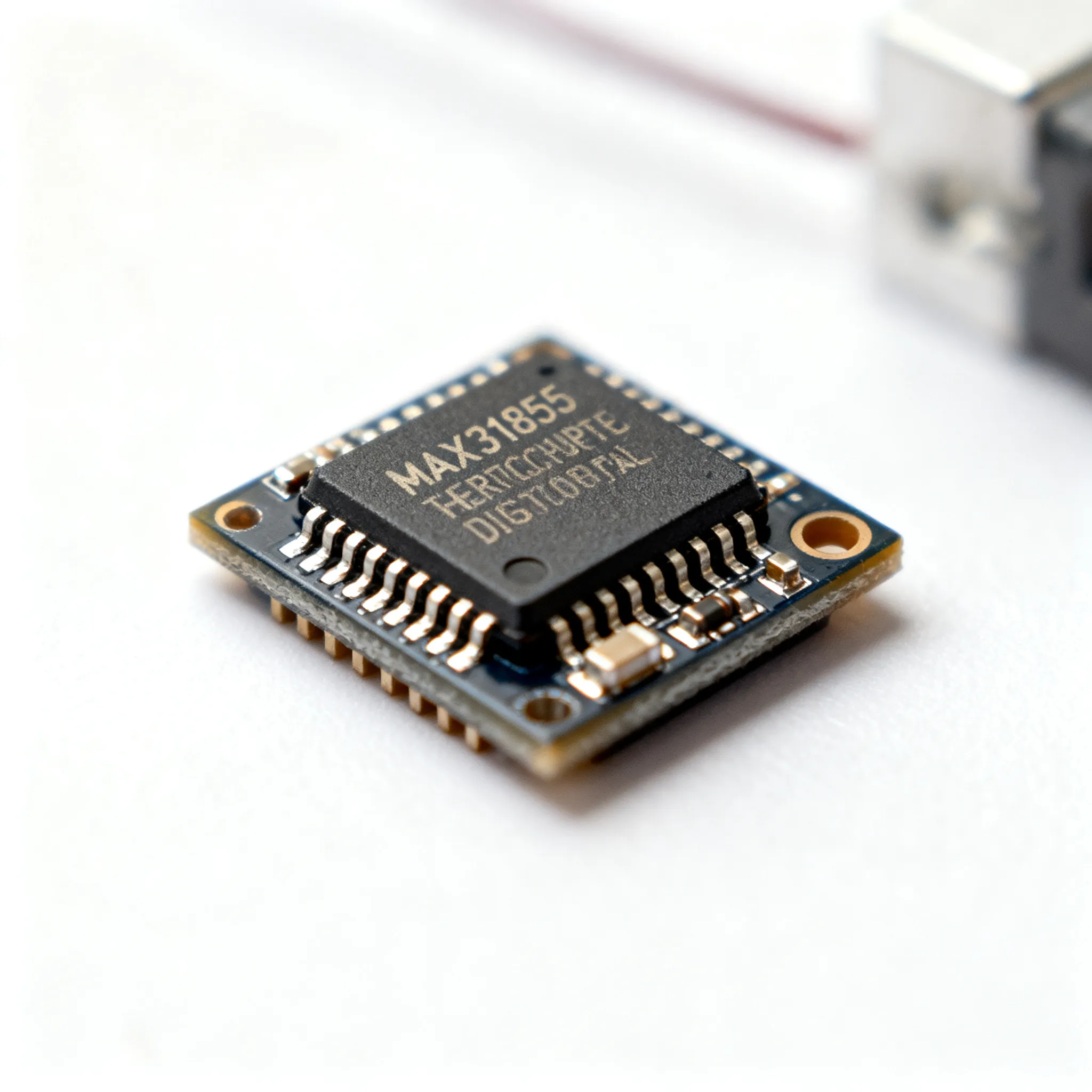
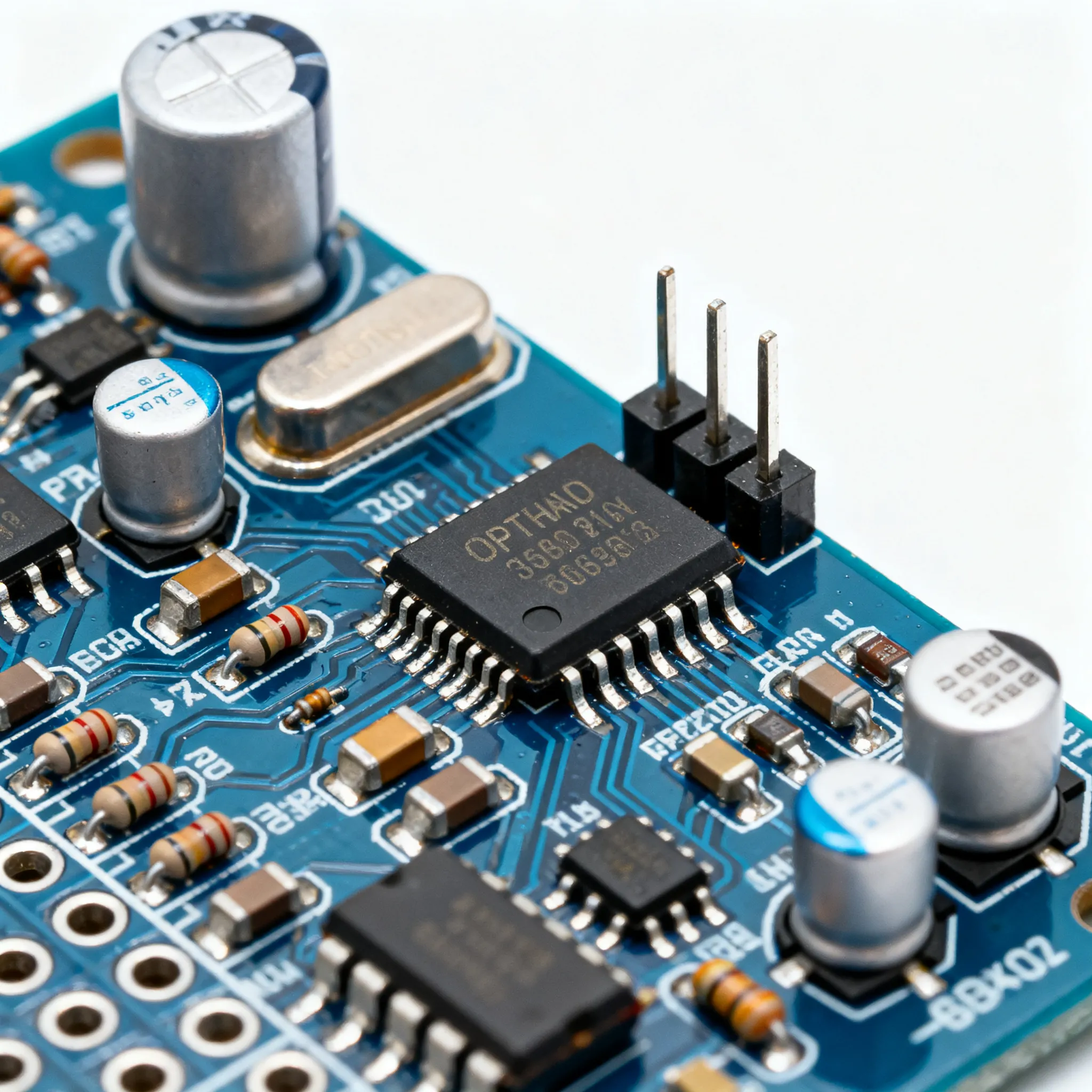
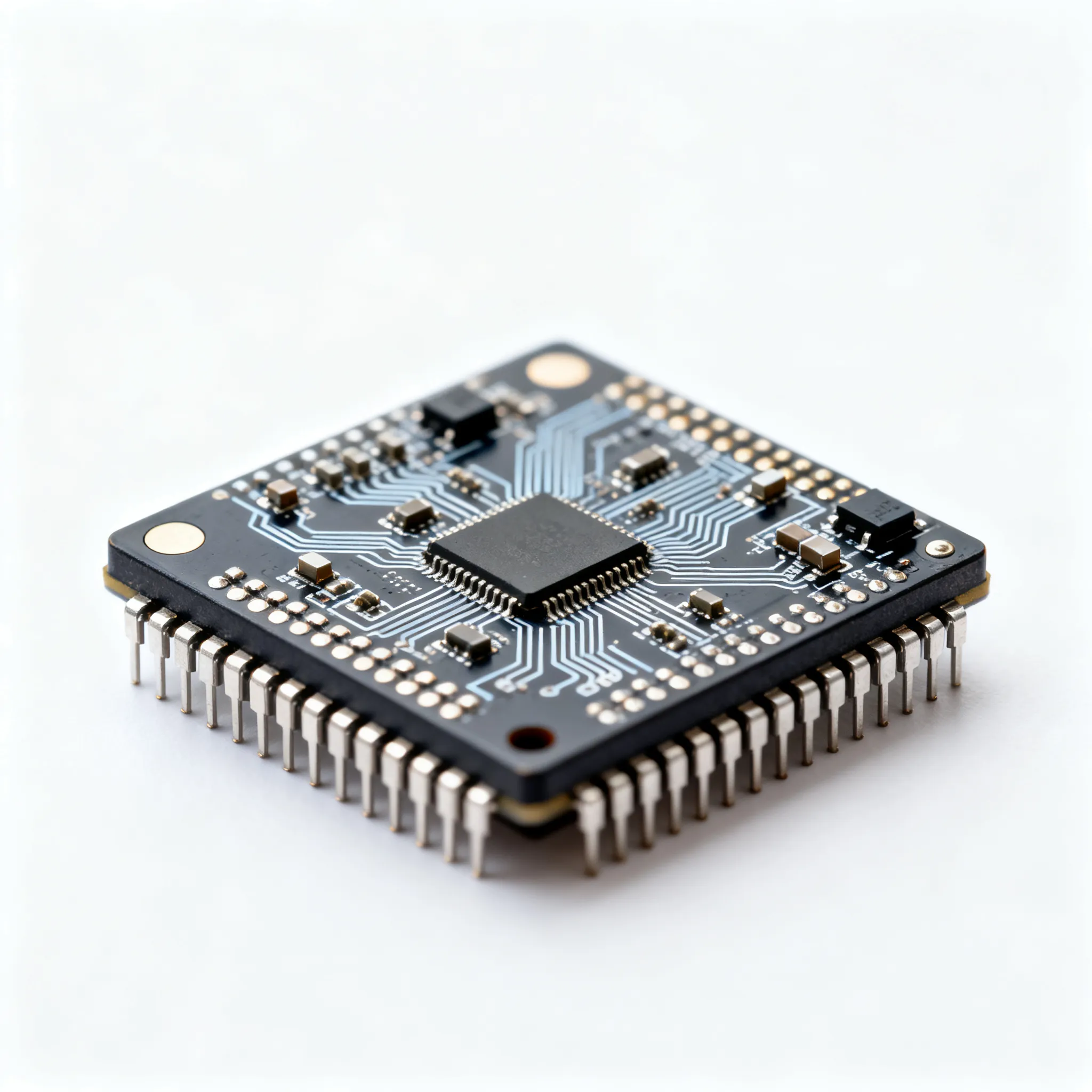
Microcontrollers are compact integrated circuits designed to perform specific tasks within an embedded system. They consist of a processor core, memory, and programmable input/output peripherals. Unlike microprocessors, which require external components to function, microcontrollers are self-contained units, making them ideal for applications requiring direct control of devices.
The wide array of available microcontrollers can be overwhelming, ranging from simple 8-bit devices to complex 32-bit architectures. Understanding the core concepts, such as clock speed, memory size, and peripheral interfaces, is crucial for selecting the right microcontroller for your application. For instance, a microcontroller with a higher clock speed will execute instructions faster, which is critical for time-sensitive applications.
Additionally, the choice of microcontroller impacts power consumption, development complexity, and cost. Engineers must balance these factors to meet the specific needs of their projects. The following sections provide detailed insights into microcontroller specifications, helping you make informed decisions.
Detailed Specifications
| Parameter | Value | Units | Notes |
|---|---|---|---|
| Clock Speed | 48 MHz | MHz | Maximum operating frequency |
| Flash Memory | 256 KB | KB | Non-volatile program storage |
| SRAM | 32 KB | KB | Volatile data storage |
| EEPROM | 4 KB | KB | Non-volatile data storage |
| GPIO Pins | 40 | Pins | General-purpose input/output |
| ADC Resolution | 12-bit | Bits | Analog-to-digital conversion precision |
| DAC Resolution | 10-bit | Bits | Digital-to-analog conversion precision |
| UART Interfaces | 3 | Ports | Serial communication interfaces |
| I2C Interfaces | 2 | Ports | Inter-integrated circuit interfaces |
| SPI Interfaces | 2 | Ports | Serial peripheral interfaces |
| Parameter | Value | Units | Notes |
|---|---|---|---|
| Operating Temperature Range | -40 to 85 | °C | Industrial grade |
| Storage Temperature Range | -55 to 125 | °C | Safe storage conditions |
| Package Type | LQFP | - | Low-profile quad flat package |
| Package Dimensions | 14x14 | mm | Length x Width |
| Pin Count | 64 | Pins | Total number of pins |
| Weight | 0.5 | g | Approximate weight |
| Thermal Resistance, Junction-to-Ambient | 35 | °C/W | Thermal performance |
| Moisture Sensitivity Level | 3 | Level | JEDEC standard |
| Application | Recommended Microcontroller | Notes |
|---|---|---|
| Home Automation | ATmega328P | Popular for Arduino projects |
| Industrial Control | STM32F103C8T6 | Robust performance in harsh environments |
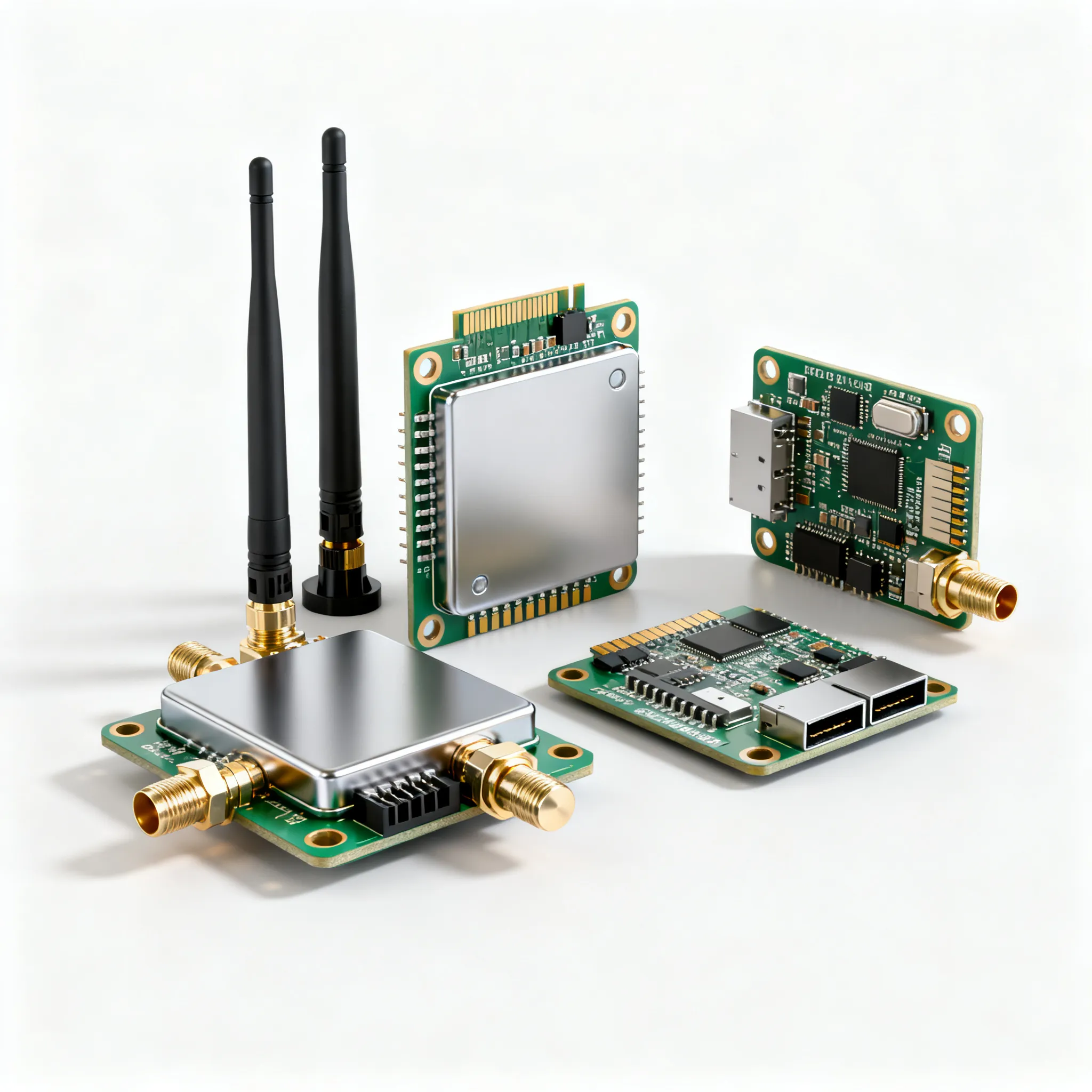
| Wearable Devices | ESP32-WROOM-32 | Integrated Wi-Fi and Bluetooth |
| Robotics | MSP430G2553 | Low power consumption |
| IoT Devices | ESP8266 | Cost-effective with Wi-Fi capabilities |
Design Considerations
Choosing the right microcontroller involves understanding both the technical specifications and the specific requirements of your application. Here are some practical guidelines:
- Define Application Requirements: Start by outlining the needs of your application. Consider factors such as processing power, memory requirements, and peripheral interfaces.
- Evaluate Power Consumption: For battery-powered applications, prioritize microcontrollers with low power consumption. Look for features like sleep modes and power-saving peripherals.
- Consider Development Ecosystem: A strong development ecosystem can significantly reduce time-to-market. Consider the availability of development tools, libraries, and community support.
- Assess Environmental Conditions: If your application will operate in extreme temperatures or harsh environments, ensure the microcontroller is rated for such conditions.
- Plan for Future Scalability: Choose a microcontroller that allows for future expansion, whether through additional memory, connectivity options, or processing power.
Step-by-Step Guide
- Identify Application Needs: Determine the specific tasks your microcontroller needs to perform. This includes processing tasks, data acquisition, communication, and control functions.
- Select the Microcontroller: Based on the application needs, select a microcontroller that meets the required specifications. Use tools like [DigiKey Electronics](https://www.digikey.com/) to compare options.
- Design the Circuit: Create a schematic that includes the microcontroller, power supply, and any necessary peripherals. Ensure that all connections are correct and consider using simulation software to test the design.
- Prototype the Design: Build a prototype on a breadboard or PCB. This allows you to test the functionality and make adjustments as needed.
- Program the Microcontroller: Write and upload the code to the microcontroller using a suitable IDE. Test the code to ensure it performs as expected.
- Test and Debug: Thoroughly test the prototype in real-world conditions. Use debugging tools to identify and fix any issues.
- Optimize for Production: Make any necessary changes to optimize the design for production, such as reducing component count or improving power efficiency.
- Prepare Documentation: Create comprehensive documentation to aid in future revisions and ensure consistent production quality.
Common Issues & Solutions
Working with microcontrollers can present several challenges. Here are some common issues and their solutions:
- Power Supply Problems: Ensure that the microcontroller is receiving the correct voltage and current. Use decoupling capacitors to stabilize the power supply.
- Communication Errors: Verify that all communication protocols are correctly configured. Check wiring and use logic analyzers to troubleshoot.
- Overheating: Ensure adequate cooling and consider using heat sinks or thermal pads. Double-check the thermal specifications in the datasheet.
- Memory Limitations: Optimize code to reduce memory usage. Consider using external memory if necessary.
- Inconsistent Performance: Ensure that the clock source is stable and that the microcontroller is operating within its specified range.
Applications & Use Cases
Microcontrollers are used in a variety of applications, from simple consumer electronics to complex industrial systems. Here are some real-world examples:
- Home Automation: Microcontrollers like the ATmega328P are used in smart home devices to control lighting, temperature, and security systems.
- Automotive Systems: Microcontrollers control engine functions, safety systems, and infotainment systems in modern vehicles.
- Medical Devices: Devices such as glucose meters and heart rate monitors use microcontrollers for data acquisition and processing.
Selection & Sourcing Guide
When selecting and sourcing microcontrollers, consider using authorized distributors like IC Online. They offer a wide range of components with competitive pricing and fast delivery.
FAQ
- What is a microcontroller? A microcontroller is an integrated circuit designed to perform specific tasks within an embedded system.
- How do I choose the right microcontroller? Consider factors like processing power, memory, peripheral interfaces, and power consumption.
- What are the common applications of microcontrollers? Microcontrollers are used in applications like home automation, automotive systems, and medical devices.
- How do I program a microcontroller? Use an appropriate IDE and programming hardware to write and upload code to the microcontroller.
- What are the benefits of using microcontrollers? Microcontrollers offer a compact, cost-effective solution for controlling electronic devices and systems.
- Can microcontrollers be used in harsh environments? Yes, but ensure the microcontroller is rated for the specific environmental conditions.
- What is the difference between a microcontroller and a microprocessor? Microcontrollers are self-contained with integrated peripherals, while microprocessors require external components to function.
- How do I troubleshoot a microcontroller circuit? Use debugging tools and check connections, power supply, and communication protocols.
- What is the role of GPIO pins? GPIO pins are used for interfacing with external devices and sensors.
- How do I ensure reliable performance of a microcontroller? Follow design guidelines, ensure stable power supply, and test thoroughly in real-world conditions.
Conclusion
Microcontrollers are integral to modern electronics, offering a versatile and efficient solution for a wide range of applications. By understanding their specifications and carefully considering design factors, engineers can effectively implement microcontrollers in their projects, ensuring performance, reliability, and scalability. Use authorized distributors like IC Online for sourcing quality components.