Excess Inventory Disposition for Electronics OEMs: How to Turn Surplus Components into Revenue
Practical guide for buyers and engineers: Excess Inventory Disposition for Electronics OEMs: How to Turn Surplus Components into Revenue. Sourcing, risk, and selection notes.

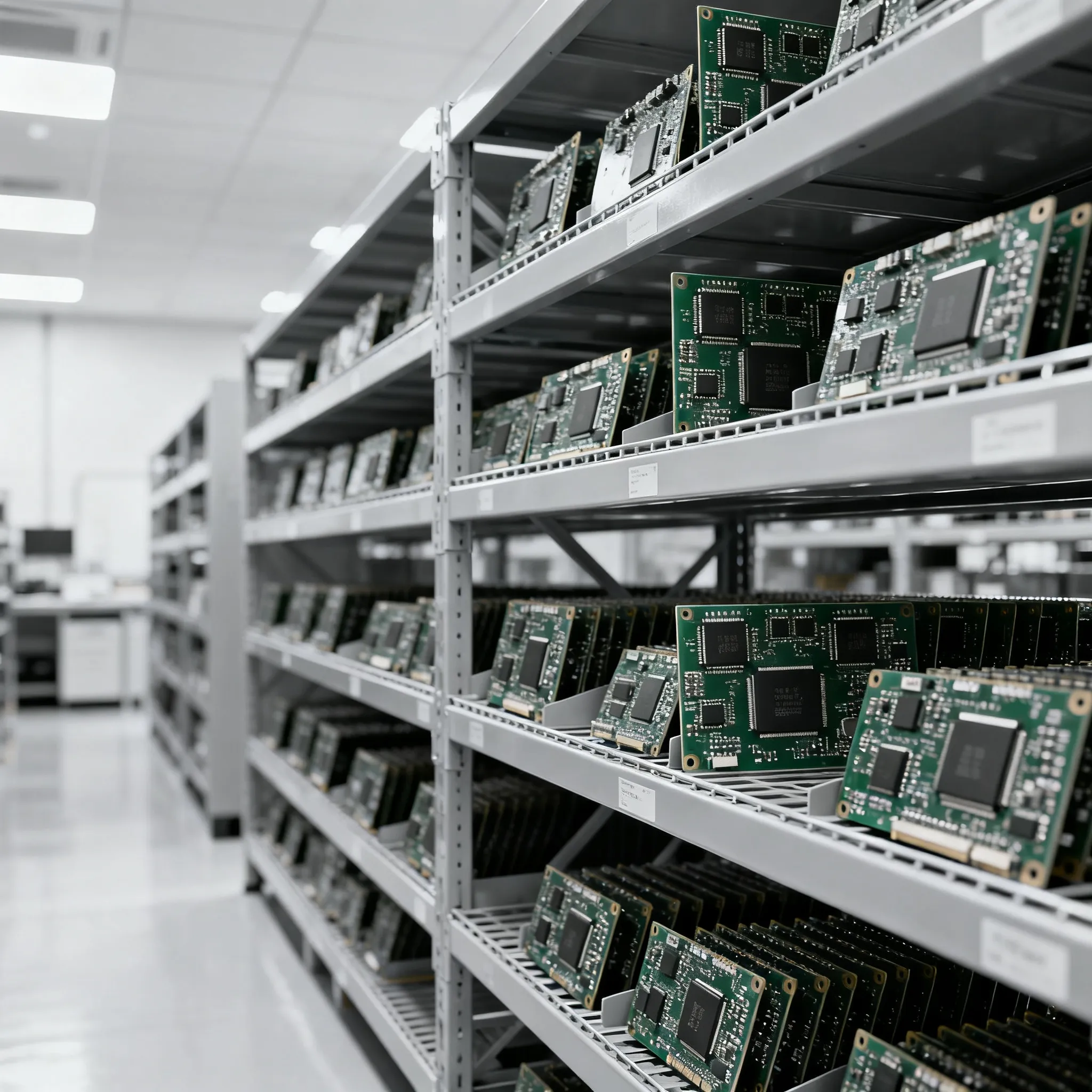
In 2025, electronics OEMs face a counterintuitive problem: warehouses full of components that were once nearly impossible to source. The hangover from the semiconductor shortage has left many companies with millions of dollars in excess inventory. This guide shows you how to turn that surplus into revenue while protecting your margins and reputation—using practical, field-tested disposition strategies that engineering and procurement teams can execute immediately.
Why Excess Component Inventories Are Piling Up in 2025—and What It Costs OEMs
The semiconductor shortage of 2022–2023 triggered a wave of double-ordering and panic buying. As supply chains stabilized, original equipment manufacturers (OEMs) found themselves holding far more stock than they needed. Sourceability notes that now that semiconductor stock is stabilizing, many OEMs have been left with far too much supply—a direct result of a quick drop in ravenous demand from macroeconomic pressures. This overhang is not a small problem; industry analysts estimate that carrying costs alone can consume 25–30% of the inventory value annually, between warehousing, insurance, and the opportunity cost of tied-up capital.
Adding to the pressure, chipmakers such as TSMC have raised component prices in response to rising shipping and material costs. That means some of the excess stock on your shelves was purchased at inflated prices, and holding it only deepens the write-down when demand softens. AIRENC describes the electronic component crisis as having created a looming overstock situation for manufacturers, where unsold reels quickly become liabilities rather than safety stock. A2 Global Electronics observes that in the wake of a shortage market, some manufacturers are now saddled with an excess of component inventories that must be actively managed.
Lifecycle changes compound the risk. Component discontinuation can create both sourcing shortages and excess inventory in the same quarter. When a part goes end-of-life (EOL), last-time-buy quantities that were overestimated turn into dead stock overnight. For OEMs, the cost of doing nothing is no longer acceptable; the financial impact—from storage fees to obsolescence write-offs—erodes margins that were already thin. The only viable path is to convert that surplus into revenue through a structured disposition process.
How Electronic Component Surpluses Shift from Safety Stock to Sunk Cost
Excess inventory doesn’t stay static. It migrates through a lifecycle that begins with a justified buffer and ends with a complete write-down. Understanding this progression is essential for any engineer or buyer who wants to recover value before it’s too late. The rapid pace of technological change means excess inventory can quickly shift from assets to liabilities. At TPS Elektronik, experts note that even well‑intentioned safety stock turns into a cost center when demand patterns shift or a product revision renders a particular package obsolete.
There are three primary forces that accelerate the slide from asset to sunk cost: carrying costs, obsolescence risk, and degradation of physical integrity. Every month a reel of MLCCs sits on the shelf, you pay for climate-controlled storage, insurance, and the capital that could have been deployed elsewhere. Simultaneously, the market value of many components declines as new revisions are introduced. Third, moisture-sensitive devices (MSL 3 and above) absorb humidity over time, risking delamination during reflow unless they are baked and re‑packaged—a process that costs money and erodes buyer confidence.
To help you prioritize which parts to move first, we’ve classified surplus components into risk tiers based on their typical obsolescence window, value retention, and the effort required to prepare them for sale.
| Component Category | Risk Level | Typical Obsolescence Window | Approx. Value Retention After 2 Years | Recommended Disposition Action |
|---|---|---|---|---|
| Generic MLCCs, chip resistors | Low | 10+ years | 80–90% | Sell as bulk lots to open‑market buyers |
| Discrete semiconductors (diodes, transistors, small‑signal FETs) | Medium | 5–7 years | 60–75% | Sort by popularity; test solderability before listing |
| Microcontrollers, ASICs, FPGAs with customer‑specific firmware | High | 2–5 years | 30–50% | Monitor lifecycle notices; sell as programming‑ready if possible |
| Moisture‑sensitive devices (MSL 3–6) | High | Varies (shelf life 12–24 months in sealed bag) | 20–40% if unsealed | Bake and dry‑pack before sale; disclose storage history |
| Obsolete/EOL parts with no replacement | Critical | Already discontinued | 10–30% | Target legacy service centers or brokers specializing in EOL support |
The risk level directly influences the discount a buyer will demand. A reel of 2018-vintage 0402 MLCCs in pristine condition might still fetch 90% of current market price, but a tray of moisture‑sensitive QFN packages that has been exposed to ambient air for two years will likely sell for scrap value unless you invest in proper conditioning. Suntsu Electronics emphasizes that detailed product specifications—including manufacturer, part numbers, and lot codes—are the foundation of any successful disposition effort. Without that data, you can’t even begin to assess the risk tier or set a realistic price.
Tip: Perform a quarterly triage of your inventory by pulling date codes and MSL ratings from your ERP. Segregate low‑risk parts that can be sold immediately from high‑risk stock that requires conditioning. This simple habit prevents the shock of a sudden write‑off when the finance team reviews the books.
Where to Sell Surplus Components: A Side-by-Side Look at Disposition Channels
Choosing the right exit channel is the single most important decision you’ll make. Each option balances speed, recovery rate, and the effort you must invest in documentation and listing. The table below compares five common channels, drawing on real‑world experiences from independent distributors, AI‑powered platforms, and OEM buyback programs.
| Channel | Typical Recovery (% of Market Value) | Turnaround Time | Documentation Required | Fraud Risk | Notable Provider / Approach |
|---|---|---|---|---|---|
| Open‑Market Broker | 40–60% | Days to 2 weeks | Basic packing list, photos | Moderate (require verified buyer credentials) | A2 Global Electronics; Microchip USA |
| AI‑Powered Listing Platform | 50–75% (individual lots) | 1–4 weeks | MPN, date code, datasheet match, high‑quality images | Low (AI verification of MPN vs. datasheet) | CLOSO AI Agents |
| Independent Distributor (Buy‑Back) | 60–80% | 2–6 weeks | Full traceability: original PO, CoC, test reports | Low (established relationships) | Sourcengine; Perceptive IC |
| OEM Direct Buyback Program | 70–90% (if still active part) | 4–8 weeks | Original manufacturer certification, lot traceability | Very low | Negotiate with your component suppliers |
| Consignment / Auction Marketplaces | 30–50% (final bid) | 4–12 weeks | Listing description, photos, condition report | High (counterfeit returns possible) | Online industrial auction sites |
The channel you select depends on your inventory profile. If you need to liquidate a mixed lot of passives and discretes quickly, an open‑market broker or independent distributor will give you a fast, though lower, recovery. A2 Global Electronics’ data‑driven strategies help manufacturers pinpoint exactly how much of which components to move, and to whom. For high‑value, active‑market parts where you can afford a few weeks of listing time, an AI‑powered platform like CLOSO automates the tedious matching of MPNs to live catalog data, pulling datasheets and stock images, and pushing listings to relevant marketplaces. This approach can boost recovery by 10–15 percentage points compared to a bulk sale, while reducing the risk of listing errors that attract counterfeit claims.
Key Takeaway: If you have a large lot of identical, high‑demand parts, an independent distributor buy‑back program offers a good balance of recovery and effort. For mixed, low‑volume surplus, AI‑powered platforms let you list each reel individually without drowning in manual data entry. Whichever channel you choose, always verify the buyer’s inspection and authentication capabilities before shipping.
Step-by-Step: Preparing Your Excess Inventory for a Profitable Disposition
Getting the best price starts long before you contact a buyer. A clean, well‑documented lot signals professionalism and drastically reduces the discount a buyer will demand for “unknown” parts. Follow these steps to maximize your recovery and avoid common pitfalls.
- Audit your inventory with surgical precision. Pull a complete list from your ERP and reconcile it against physical stock. Capture manufacturer part number (MPN), quantity, date code, lot/batch code, and package type for every reel, tube, or tray. Suntsu’s inventory management guidelines stress that accurate quantities and part numbers are the minimum required to gauge the magnitude of surplus.
- Verify condition and packaging. Inspect for physical damage, corrosion, or bent leads. For moisture‑sensitive devices, check the humidity indicator card inside the sealed bag. If the bag has been opened, note the date and consider baking per J‑STD‑033 before sale. Take high‑resolution photos of the labels, date codes, and overall packaging—these images will be the first thing a buyer looks at.
- Classify each lot by risk tier. Use the table from Section 2 to assign a risk level. This classification will guide your pricing strategy and help you decide whether to invest in re‑conditioning (e.g., baking and dry‑packing) or sell as‑is for prototyping markets.
- Build a bullet‑proof listing. Whether you list on a marketplace or send a quote to a broker, your listing must include all the fields that serious buyers require. The table below summarizes the essential fields and how they impact buyer trust.
| Listing Field | Why It Matters | Impact on Buyer Confidence |
|---|---|---|
| Manufacturer Part Number (MPN) | Critical for cross‑referencing datasheets and verifying authenticity | High—without a correct MPN, the listing is worthless |
| Date Code / Lot Code | Indicates production age, remaining shelf life, and traceability | High—buyers factor in age for solderability and moisture risk |
| Package Type & MSL Rating | Determines storage requirements and rework compatibility | Medium—affects the cost of handling and the buyer’s process |
| Quantity & Unit of Measure | Prevents disputes over partial reels or incorrect counts | High—miscounts are the #1 reason for returns |
| Storage Conditions (Temperature, Humidity) | Discloses whether parts were kept in a controlled environment | Medium—critical for MSL‑sensitive parts |
| Original Purchase Order / Certificate of Conformance | Proves provenance and guards against counterfeit suspicion | Very high—can increase recovery by 10–15% |
| High‑Resolution Photos of Labels and Reels | Allows remote visual inspection and label verification | High—reduces back‑and‑forth and speeds up the deal |
5. Set a realistic reserve price. Benchmark your parts against the current manufacturer list price and recent quotes from independent distributors. For parts approaching EOL, expect 30–50% of original cost; for high‑demand, long‑lifecycle components, 80–90% is achievable. Use platforms that aggregate live catalog data to validate your pricing. CLOSO’s AI agents automatically match your MPNs to live catalog data, showing you current market prices from multiple sources, which removes the guesswork.
6. Protect against fraud and counterfeit returns. Never ship components without photographing labels, date codes, and packaging. Work only with buyers who have a documented inspection and authentication process. Provide full traceability documentation—original purchase orders, manufacturer certificates of conformance—to establish a clear chain of custody. Some platforms incorporate AI that flags inconsistencies between an MPN and its datasheet before a listing ever goes live, adding an extra layer of security.
Note: If you’re selling a large mixed lot, pre‑sorting high‑value parts from generic passives can increase total recovery by 20–30%. The bulk approach trades price for speed, but a small up‑front sorting effort often pays for itself.
Excess Inventory Disposition FAQs for OEM Engineering and Procurement Teams
Q: How do I determine a realistic market value for my excess components?
Start with the manufacturer’s current list price and recent independent distributor quotes, then apply a discount based on production date, packaging, and remaining shelf life. For parts approaching end-of-life, expect 30–50% of original cost; for high-demand, long-lifecycle components, 80–90% is possible. Use platforms that aggregate live catalog data to benchmark your part numbers. AI‑powered tools like CLOSO can pull real‑time market data from multiple sources and suggest a competitive price based on your date code and condition.
Q: What’s the fastest way to liquidate a large lot of mixed passives and discretes?
Selling to a specialized open‑market distributor or broker in a single lot typically yields the quickest turnaround (days to weeks), often at 40–60% of market value. A2 Global Electronics and similar firms use data‑driven strategies to move bulk inventory efficiently. Pre‑sorting parts by value and separating high‑demand items can boost recovery, but the bulk approach trades price for speed. If you need cash flow immediately, the single‑lot sale is your best option.
Q: How do I avoid counterfeit components when selling on the open market?
Work with buyers that have certified inspection and authentication processes. Provide full traceability documentation—original purchase orders, manufacturer certificates of conformance—and never ship without photographs of labels, date codes, and packaging. Some platforms use AI to match MPNs against verified datasheets and flag inconsistencies before a listing goes live. Microchip USA emphasizes the importance of chain‑of‑custody records for high‑value parts. If a buyer cannot demonstrate a robust incoming inspection process, consider a different channel.
Q: Should I sell components that have been in storage for over two years?
Yes, but only after a thorough condition check. Moisture‑sensitive devices (MSL 3 and above) may need baking and re‑testing; solderability of older leads can degrade. Buyers will expect a discount for aged stock, and you must disclose the storage environment and date code. If you cannot verify integrity, selling as‑is for prototyping or repair markets is a common fallback. Suntsu’s guidelines recommend that you always document the storage history and any re‑conditioning steps taken.
Q: What documentation do legitimate buyers typically require?
At minimum, you’ll need a detailed packing list with manufacturer part numbers, quantities, date codes, and lot/batch codes. Additional documents that increase buyer confidence—and price—include original purchase invoices, certificates of conformance, and test reports. For high‑value or regulated parts, a full chain‑of‑custody record is often mandatory. Perceptive Electronic Components notes that data‑driven decision‑making and complete documentation avoid sudden write‑offs and maintain stable supply even during product transitions.
Q: Can I sell obsolete components, and is there a smart way to avoid future write‑offs?
Obsolete parts can still be sold to service centers, legacy equipment maintainers, and brokers who specialize in EOL support. o TechWorld advises monitoring lifecycle notices and calculating last‑time‑buy quantities carefully. To prevent future surplus, implement a lifecycle monitoring system that flags upcoming discontinuations and adjusts last‑time‑buy quantities based on actual consumption data, not inflated forecasts. TPS Elektronik’s inventory management strategies include using technology and strategic partnerships to anticipate obsolescence before it turns into a liability.
References & Further Reading
- Manage Excess Electronic Components | Sourceability
- How Electronic Component Lifecycle Changes Affect Sourcing and Excess Inventory – oTechWorld
- Electronic Components Overstocks: How to Deal with Your Excess Inventory | AIRENC Blog
- Managing Your Surplus, Obsolete, Or Overstocked Electronic Components – A2 Global Electronics
- Inventory Management for Electronics – Optimize Component Stock & Reduce Obsolescence | TPS Elektronik
- What to do with Electronic Component Excess | Sourcengine
- Effective Excess Inventory Management Strategies for Electronic Component Distributors – Perceptive Electronic Components
- Excess Inventory Management – Suntsu Electronics
- Excess Electronic Components: Turn Surplus Inventory Into Opportunity – Microchip USA
- The Million-Dollar Reel: How to Sell Excess Electronic Components With CLOSO
- IC-Online – Mixed BOM and Flexible MOQ Sourcing
Turning surplus components into revenue is not a one‑time fire sale—it’s a strategic capability that protects your margins and strengthens your supply chain. By auditing inventory, classifying risk, choosing the right disposition channel, and preparing thorough documentation, you can consistently recover 50–80% of the original value instead of writing off entire lots. Platforms like IC-Online complement these efforts by offering flexible minimum order quantities and mixed BOM support, helping you source replacement parts while you offload excess. The key is to start early, stay disciplined, and treat every surplus reel as an opportunity to generate cash—not a cost to be ignored.